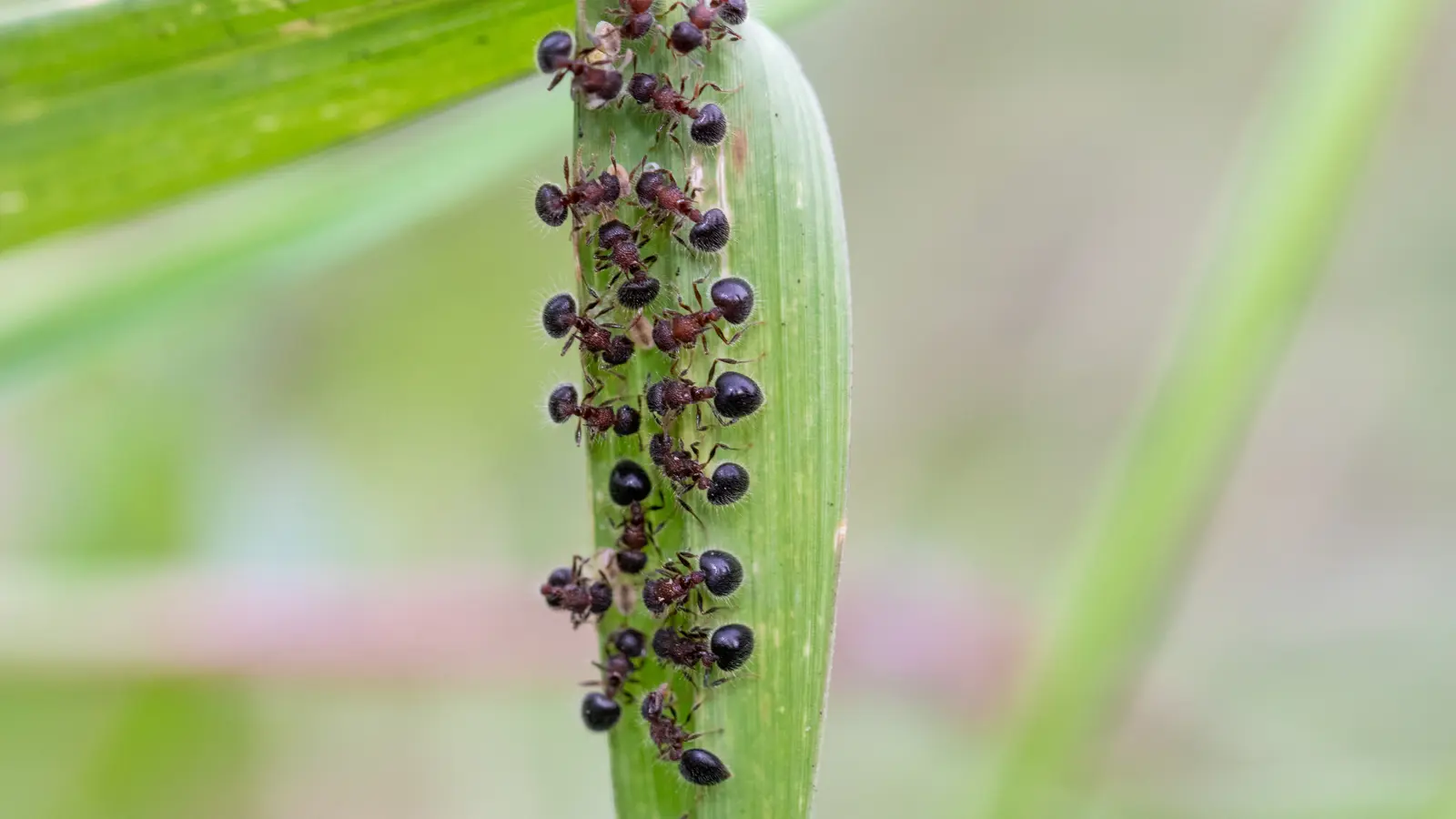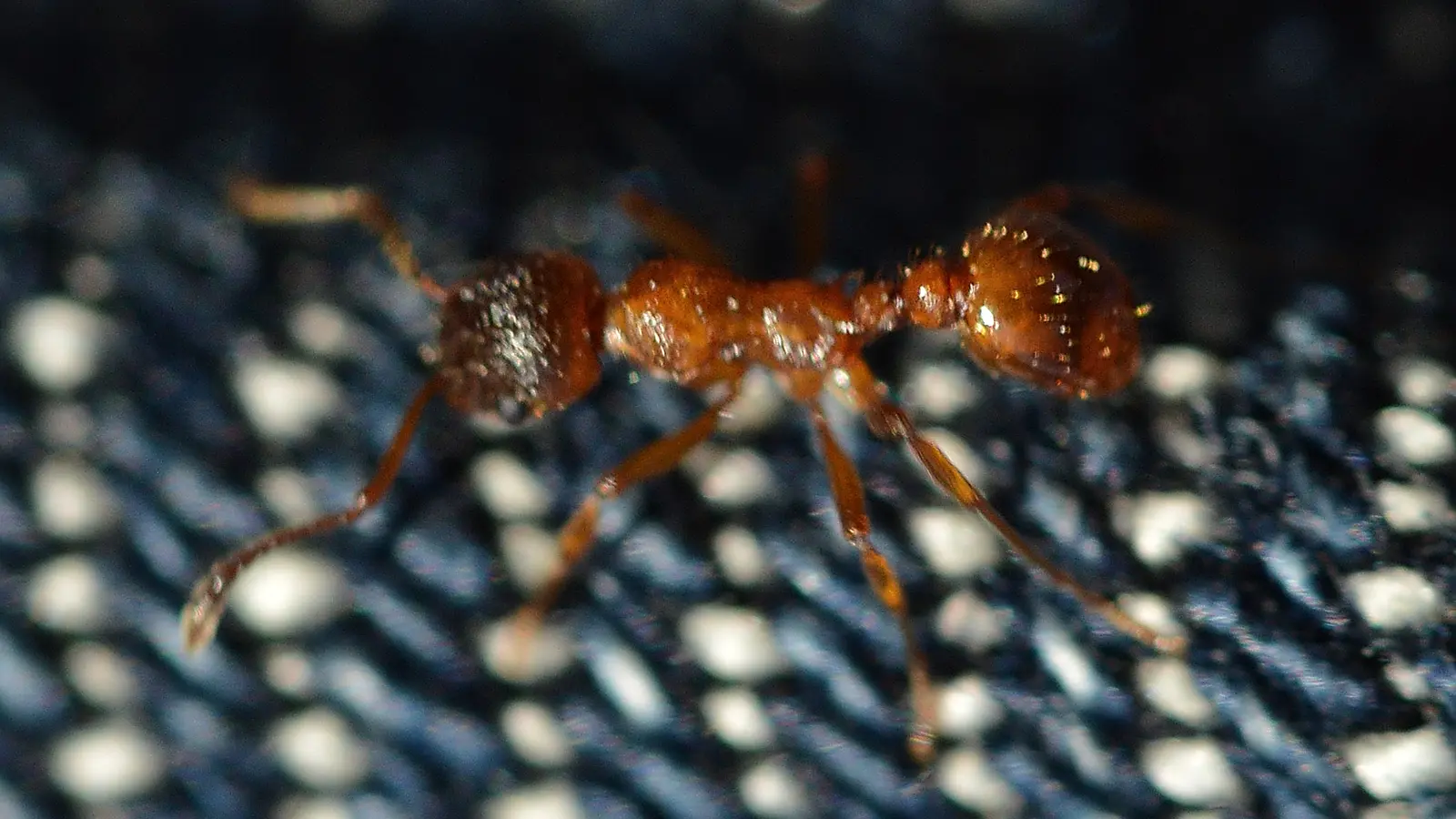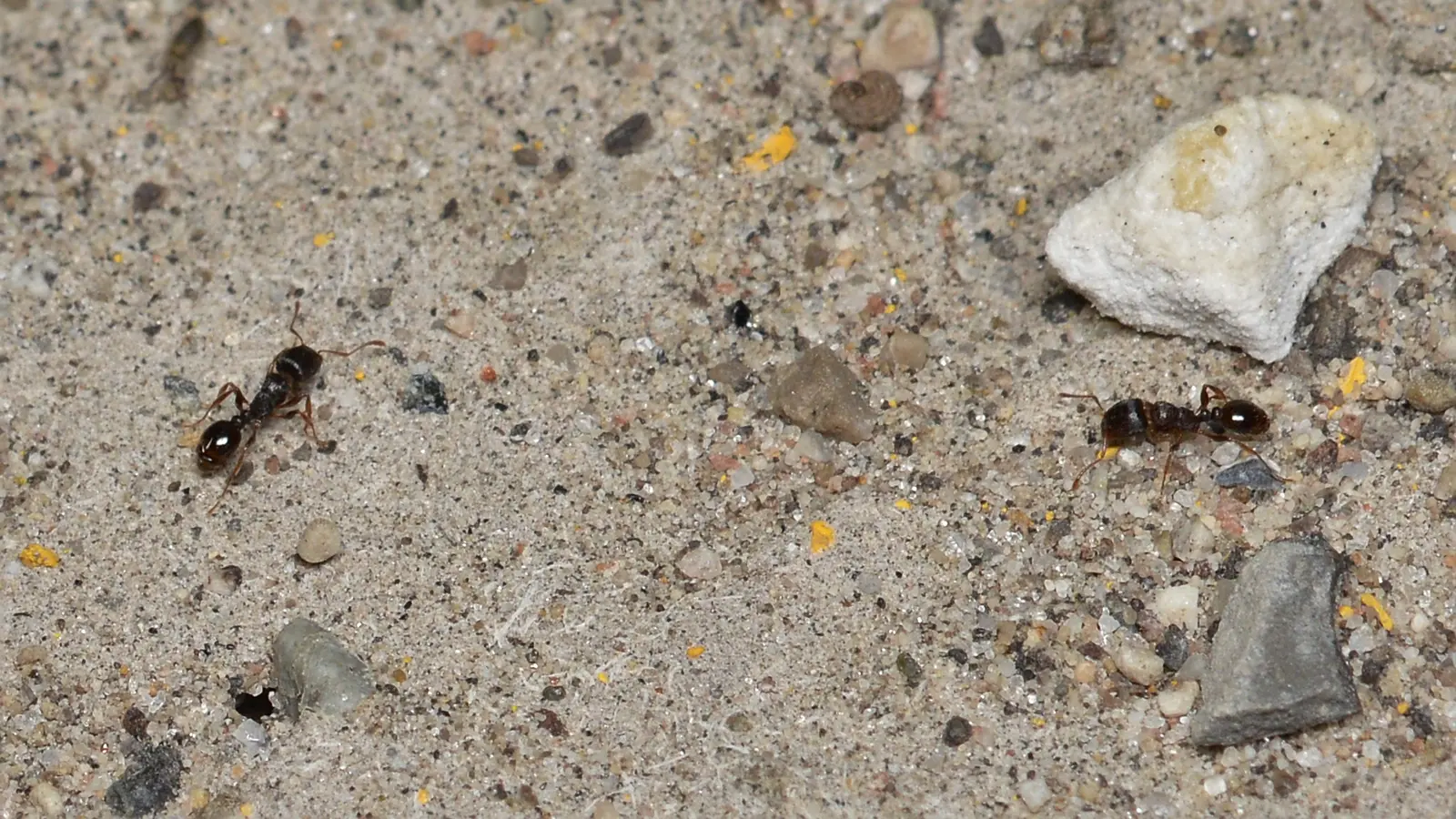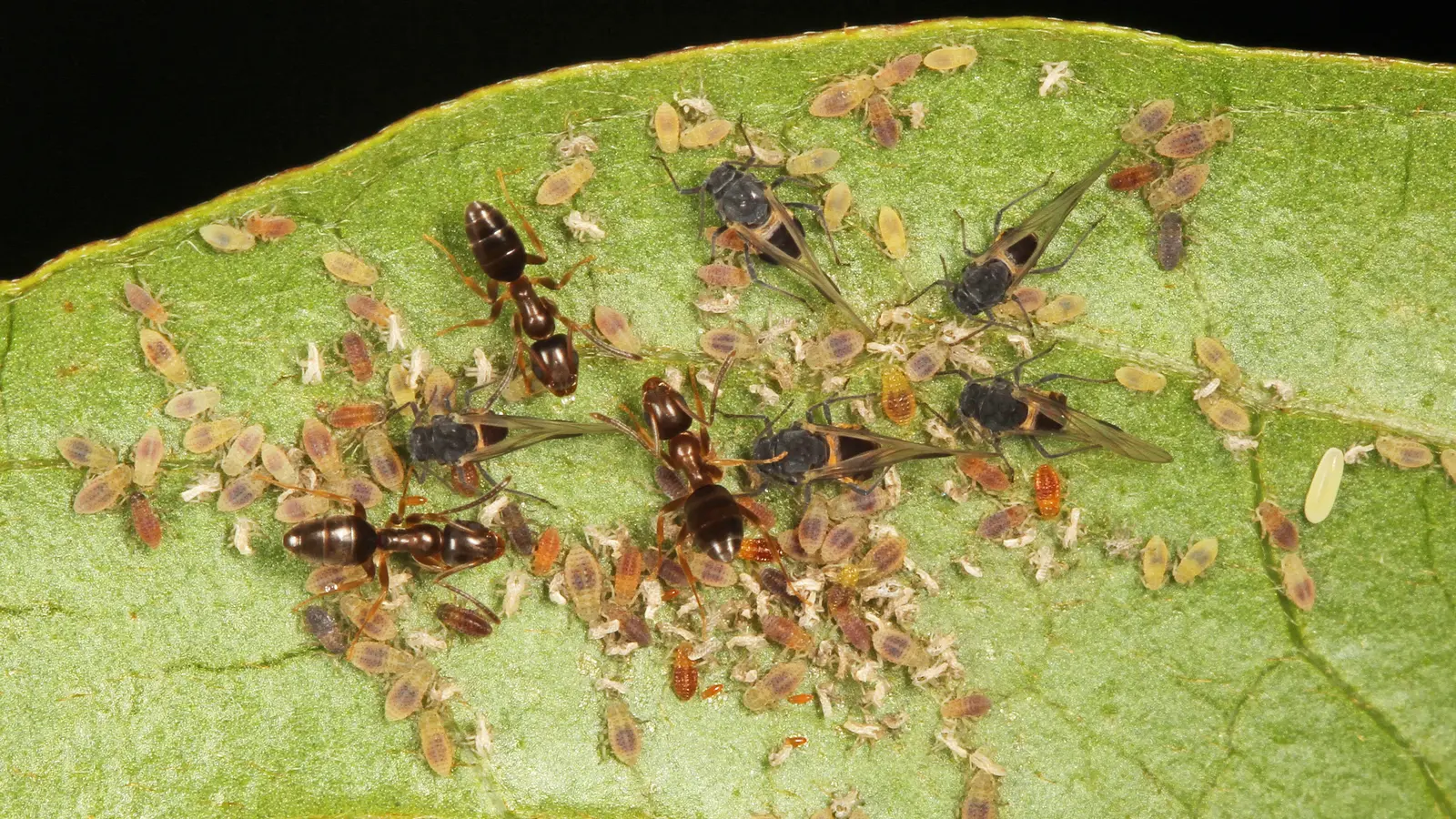
Founding Stage (Test Tube Setup): A standard 16x150mm test tube with a cotton-plugged water reservoir is all you need. For best results, place 3-5 queens together in a single tube for polygynous founding. They will cooperate without any aggression and collectively produce brood much faster than a single queen. Keep the tube at room temperature (22-25°C) in a dark, quiet spot. First workers appear in 3-4 weeks.
One of the great advantages of this species is their tolerance — they are not fussy about test tube water levels, ambient vibrations, or the occasional peek. While you should still minimize disturbance during founding, Tapinoma sessile queens are far less likely to cannibalize brood from stress compared to sensitive species.
Early Colony (20-300 workers): Connect the founding test tube to a small outworld once you see 20-30 workers. A simple plastic container with Fluon barriers on the walls makes an effective first outworld. For the nest itself, a small acrylic formicarium, a ytong nest, or even a darkened section of the outworld with stacked damp cotton pads will suffice — these ants are not particular about nest architecture.
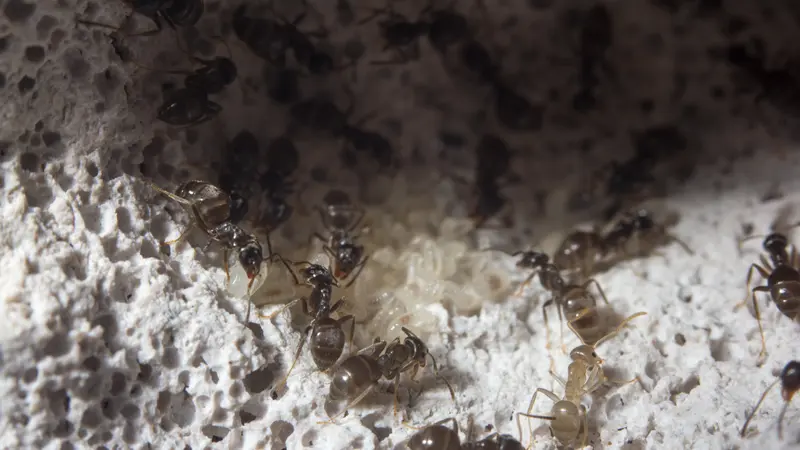
Tapinoma sessile is naturally a generalist nester. In the wild, they nest under rocks, in leaf litter, beneath bark, inside wall voids, and even in discarded debris. In captivity, they will happily colonize almost any dark, moderately moist space you offer.
Growing Colony (300+ workers): Scale up to a larger outworld and connect a proper formicarium — ytong, acrylic, or even a simple plaster nest. Multi-chamber designs work well, as the colony will organize brood, queens, and waste into designated areas. For large colonies (1,000+ workers), the outworld is where most of the action happens. Provide a spacious foraging arena with climbing structures and feeding stations.
These ants are not strong diggers, so pre-formed nest chambers are preferred. They appreciate dark nest spaces — cover exposed nest sections with red film or dark paper to let you observe without disturbing them.
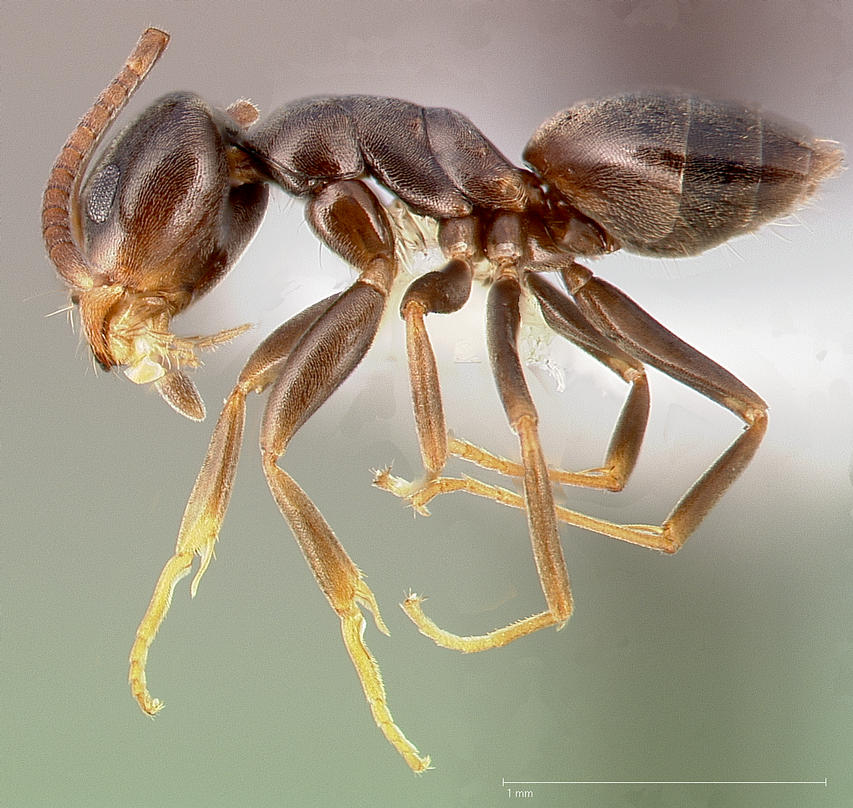
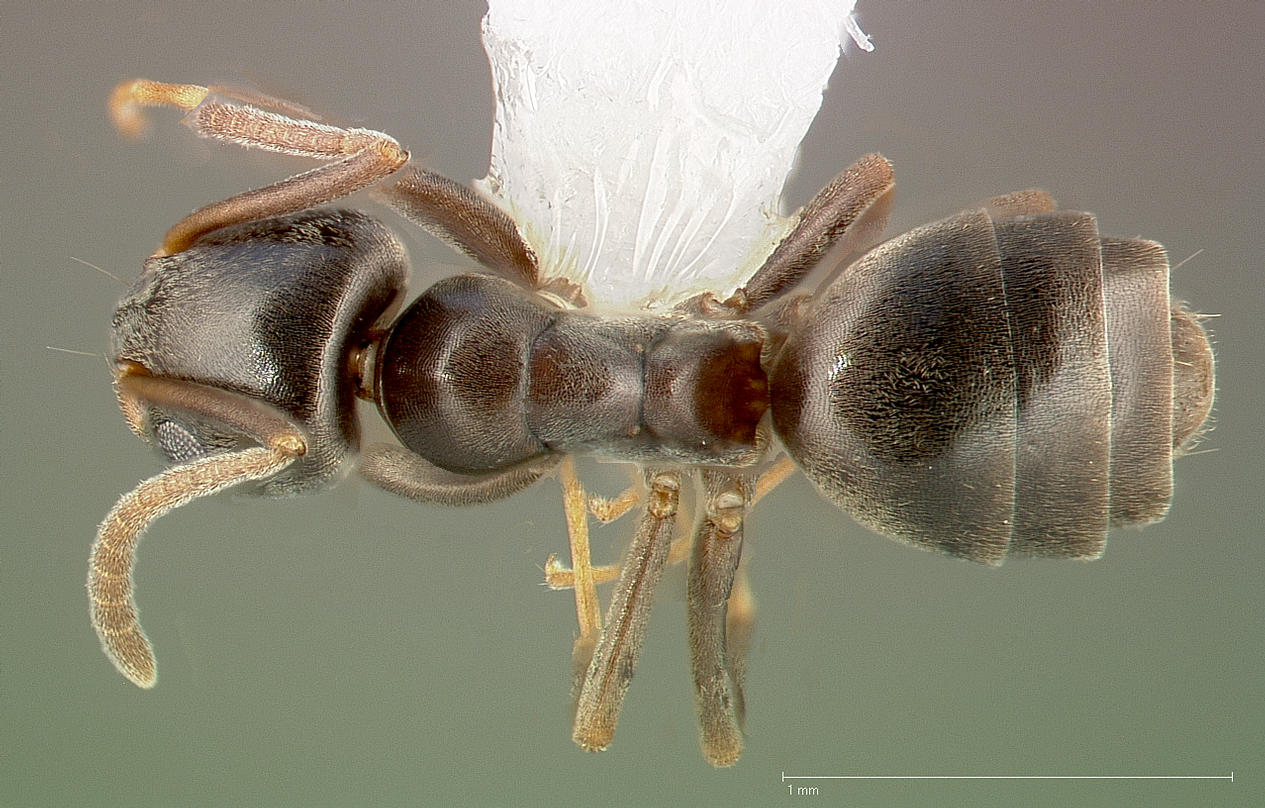
Escape Prevention: Workers are small (2-3mm) and good climbers. Standard Fluon barriers work well but need to be maintained. Apply two coats to outworld walls and check monthly. Tubing connections and ventilation mesh should use 1mm openings or smaller. Despite being common house ants, you still do not want an uncontrolled colony in your walls — escaped colonies can be difficult to fully remove.
<!-- AFFILIATE: starter outworld kit, ytong formicarium, Fluon barrier coating -->
Recommended Supplies
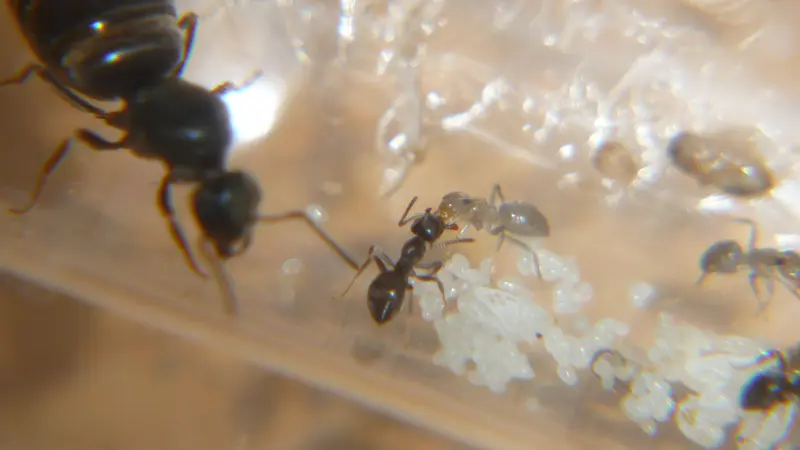
Tapinoma sessile is a sugar-loving omnivore that is remarkably easy to feed. In the wild, their primary food source is aphid honeydew and other sweet plant secretions, supplemented with scavenged insects and organic debris.
Sugar (Primary Energy Source): These ants are sugar fiends. A constant supply of sugar water (1:4 sugar to water) or diluted honey is the single most important dietary element. Workers will form busy trails to sugar sources and you can watch them carrying liquid back to the nest in their distended social stomachs. Provide sugar water in a small dish with cotton, a test tube feeder, or by dripping it onto aluminum foil in the outworld. Refresh every 2-3 days.
For variety and enrichment, try different sugar sources — maple syrup (diluted), fruit juice, or a tiny piece of ripe banana. Workers will eagerly investigate any sweet substance.
Protein: Protein is needed for brood development but in smaller quantities relative to sugar compared to heavily carnivorous species. Offer small insects — fruit flies, springtails, pinhead crickets, or small mealworm segments — 2-3 times per week. Boiled egg yolk (a tiny crumb), cooked unseasoned chicken, or commercial ant protein jelly also work well. For small colonies, pre-killed fruit flies are the perfect protein source.
Water: Always provide a water source via a test tube reservoir or small cotton-plugged dish. While workers obtain some moisture from sugar water and the humid nest environment, a dedicated water supply is important, especially in warm or dry conditions.
Feeding Schedule: Sugar water: always available, refreshed every 2-3 days. Protein: 2-3 times per week during the active season, once per week in fall. Remove uneaten protein within 24 hours.
<!-- AFFILIATE: sugar water feeder kit, protein jelly, fruit fly culture -->
Feeding Supplies
Hibernation is recommended for Tapinoma sessile. While this species is more tolerant of skipped hibernation than some temperate ants, a cool dormant period improves queen longevity, synchronizes brood cycles, and produces stronger spring growth. Colonies that are hibernated consistently perform better long-term.
Duration: A relatively short 2-3 month period, from December through February, is sufficient. Some keepers extend to early March with no issues.
Temperature: Cool the colony to 5-10°C (41-50°F). A refrigerator (set to the warmer range), unheated garage, or basement works well. Tapinoma sessile is cold-tolerant and handles the transition well — they are naturally adapted to surviving harsh winters across their wide North American range.
Preparation: In November, gradually reduce feeding frequency. The colony will naturally slow down as temperatures cool and day length decreases (even indoors, activity tends to diminish). Stop protein feeding in late November. Offer a final large sugar water feeding, ensure the water reservoir is full, and move the colony to its cool hibernation location over a 1-week gradual cool-down.
During Hibernation: Check the water supply every 2-3 weeks. Workers will be largely inactive, clustering in the nest chambers. Some minimal movement is normal. Do not feed during hibernation.
Waking Up: In late February or March, gradually return the colony to room temperature over 1 week. Resume sugar water feeding immediately and reintroduce protein after 3-5 days. Queens will begin laying within 1-2 weeks, and the colony will rapidly ramp up foraging activity. Spring growth following a proper hibernation is noticeably more vigorous than in colonies kept warm year-round.
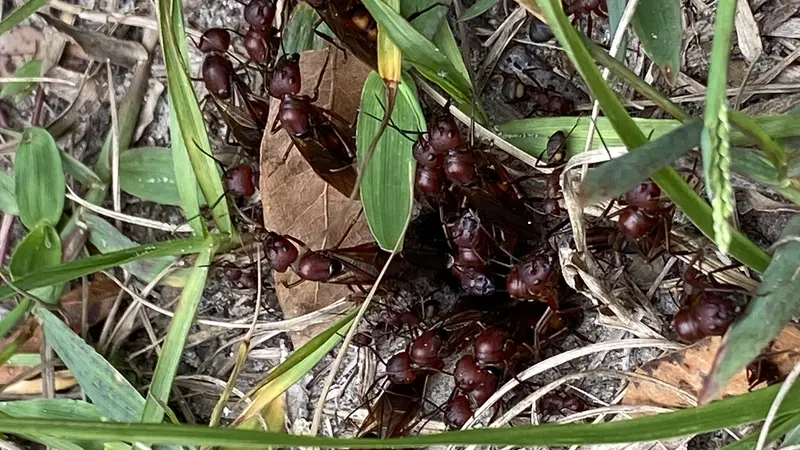
Tapinoma sessile nuptial flights occur from May through July across most of North America, with timing varying by latitude. Southern populations fly earlier (late April-May), while northern populations fly later (June-July).
Conditions: Flights are triggered by warm, humid conditions, typically on still, overcast afternoons with temperatures between 22-28°C. Unlike some species that require recent rain, Tapinoma sessile flights can occur in a wider range of conditions, making them relatively common and easy to encounter.
Catching Queens: After mating, dealate queens walk across flat surfaces searching for nest sites. They are small (4-5mm) and brown, blending in with pavement and soil. Search sidewalks, driveways, building foundations, and garden paths in the evening and morning hours during flight season. An aspirator helps with collection, though careful use of a damp fingertip or soft brush also works for these small queens.
Since Tapinoma sessile is ubiquitous in urban and suburban environments, flight events can often be observed right in your own yard or neighborhood. Check for swarms of small winged ants near warm surfaces — retaining walls, dark pavement, and south-facing building walls are common launch sites.
Post-Flight Tips: Collect multiple queens (5-10 is ideal) and place them together in a single test tube setup. Polygynous founding is the natural mode for this species, and the cooperative effort produces a larger, faster-growing first brood. Keep the tube at room temperature (22-25°C) in a dark location. First workers appear in 3-4 weeks.