Common Black Garden Ant
Lasius niger
Difficulty
beginnerRegion
Europe, Asia, introduced globally
Queen Size
8โ9 mm
Worker Size
3โ5 mm
Colony Type
Monogynous, 15,000โ40,000 workers at maturity
Diet
Omnivore โ honeydew, sugar water, insects
Temperature
20โ25 ยฐC (68โ77 ยฐF)
Humidity
50โ60%
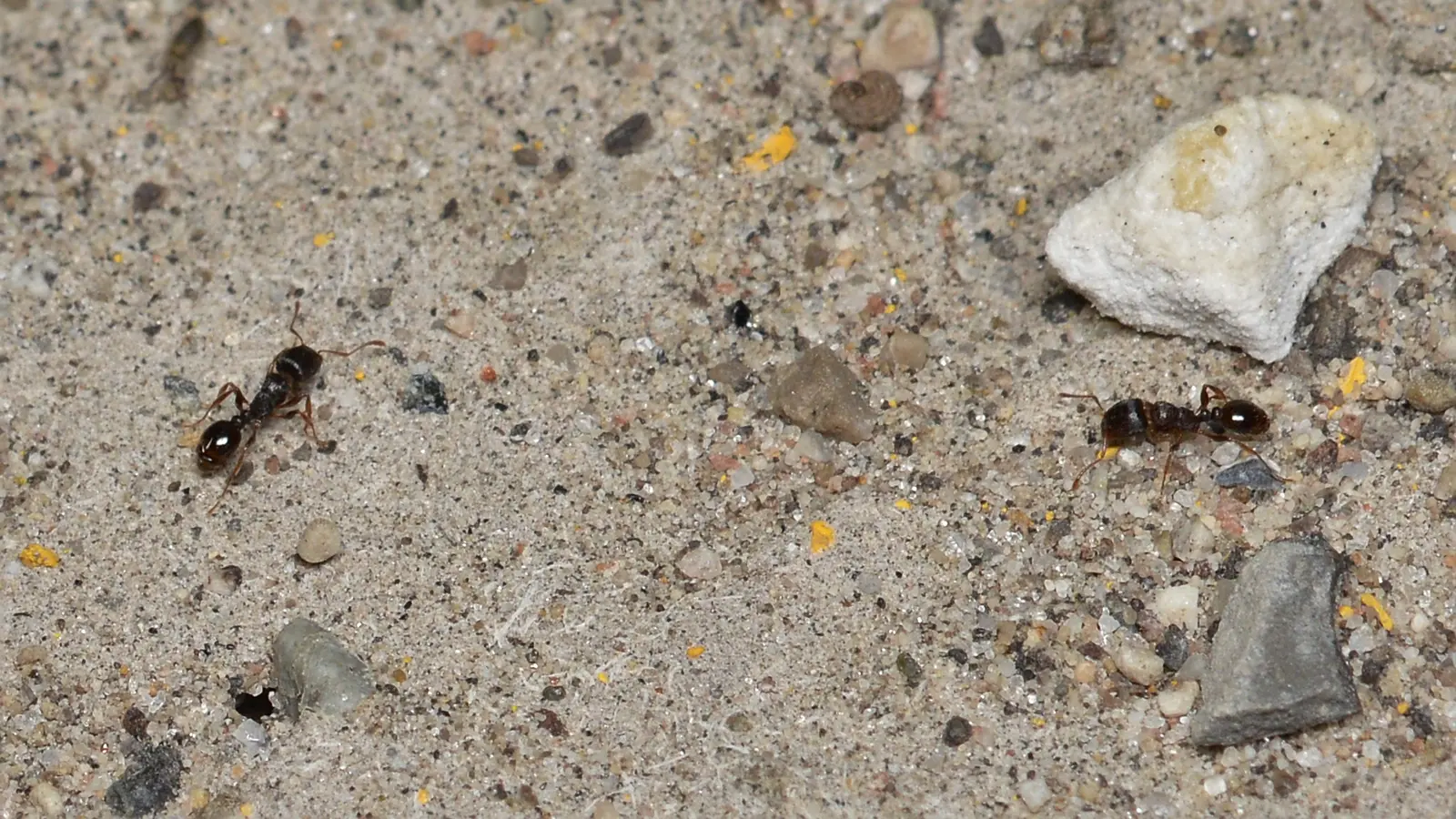
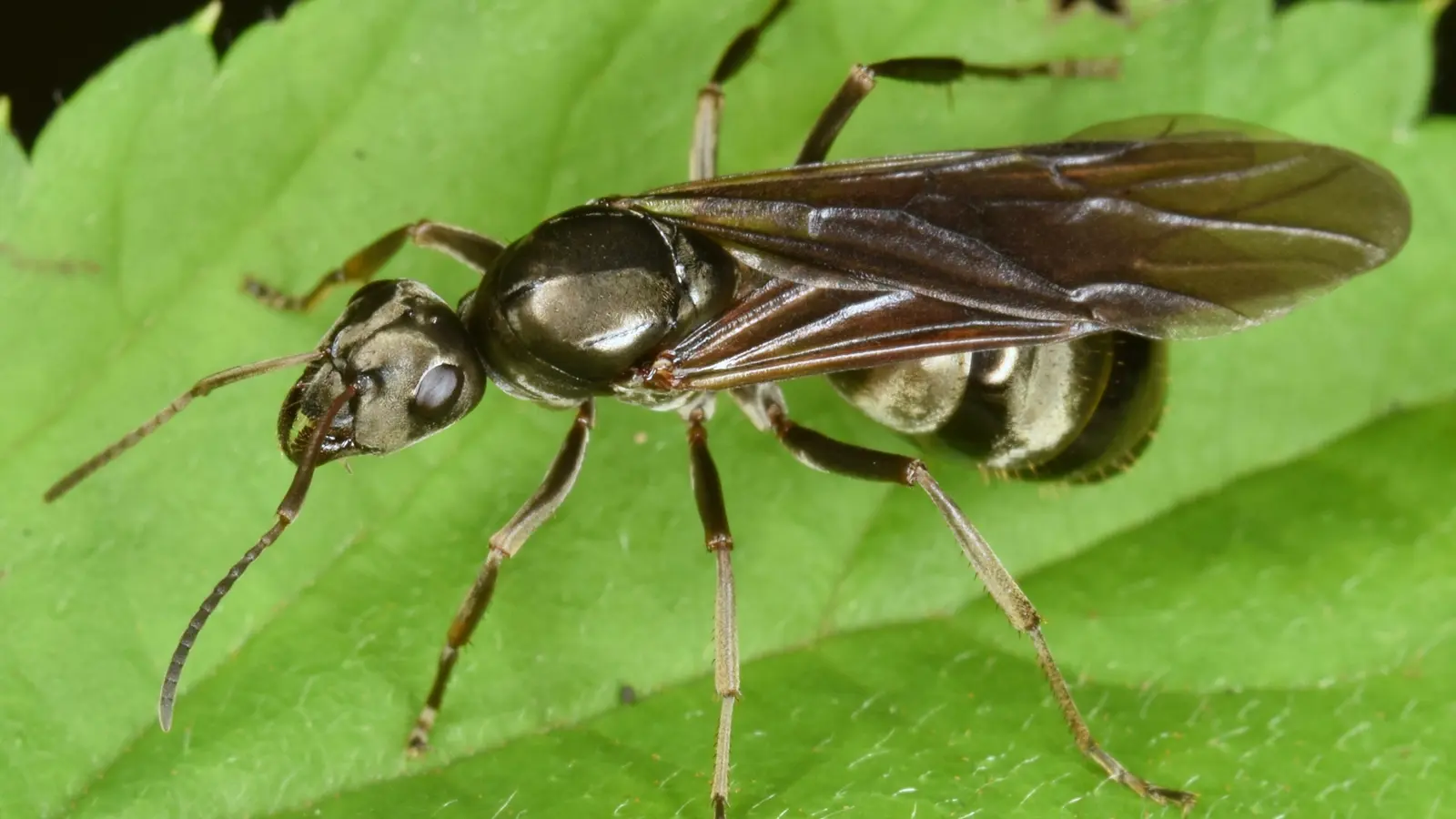
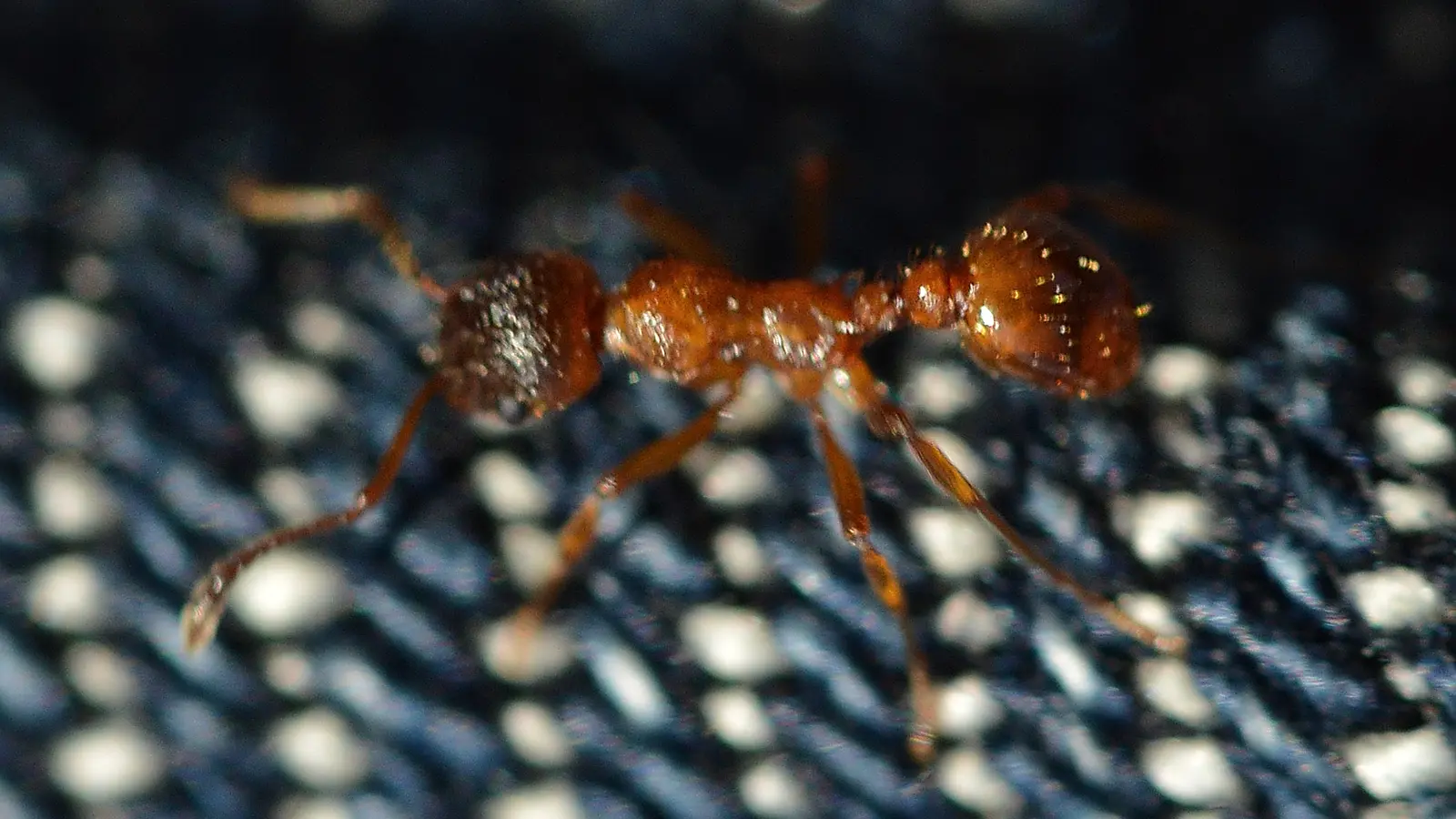
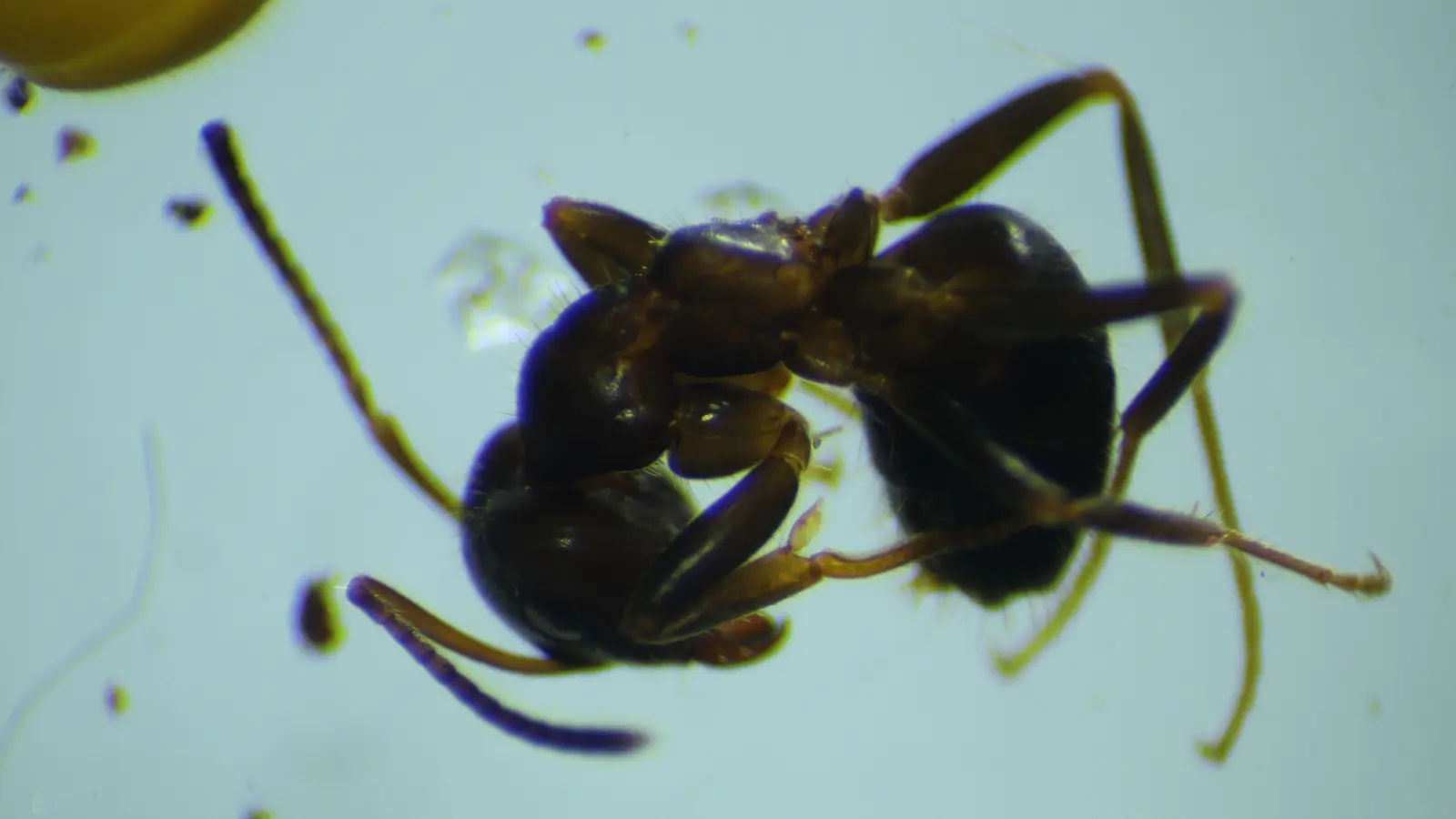
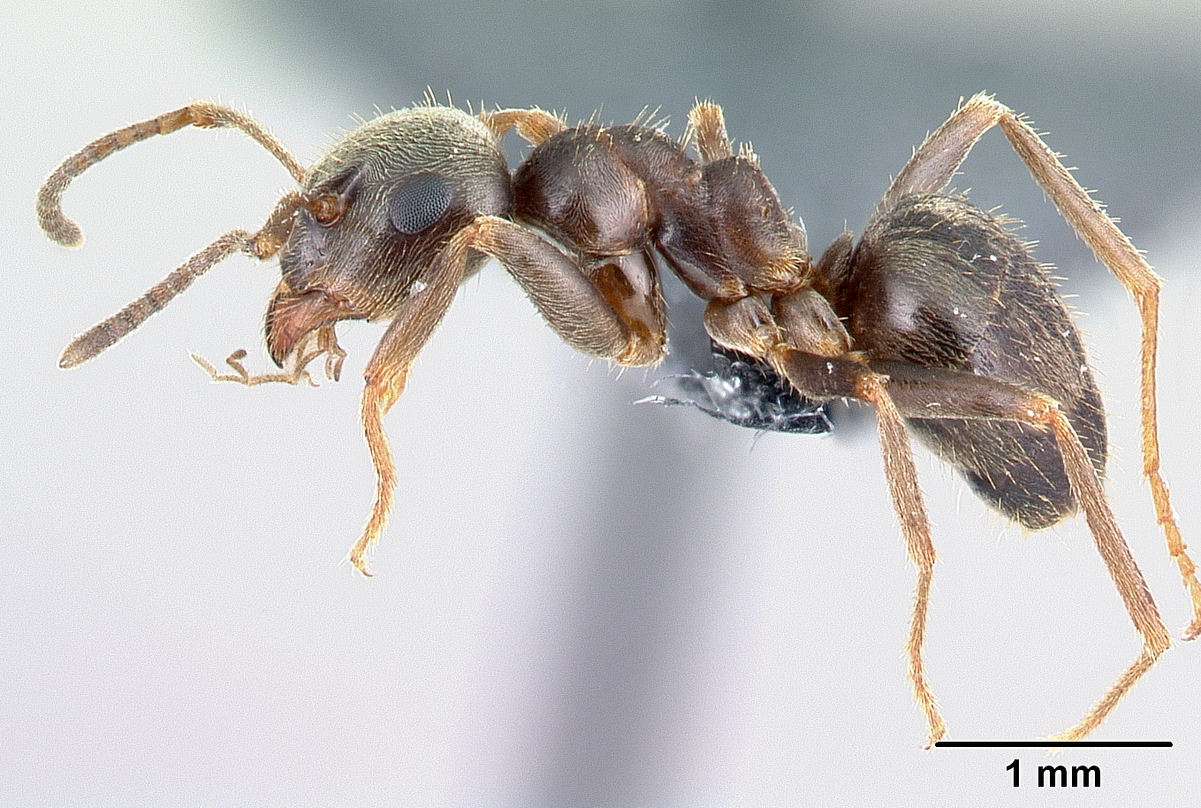
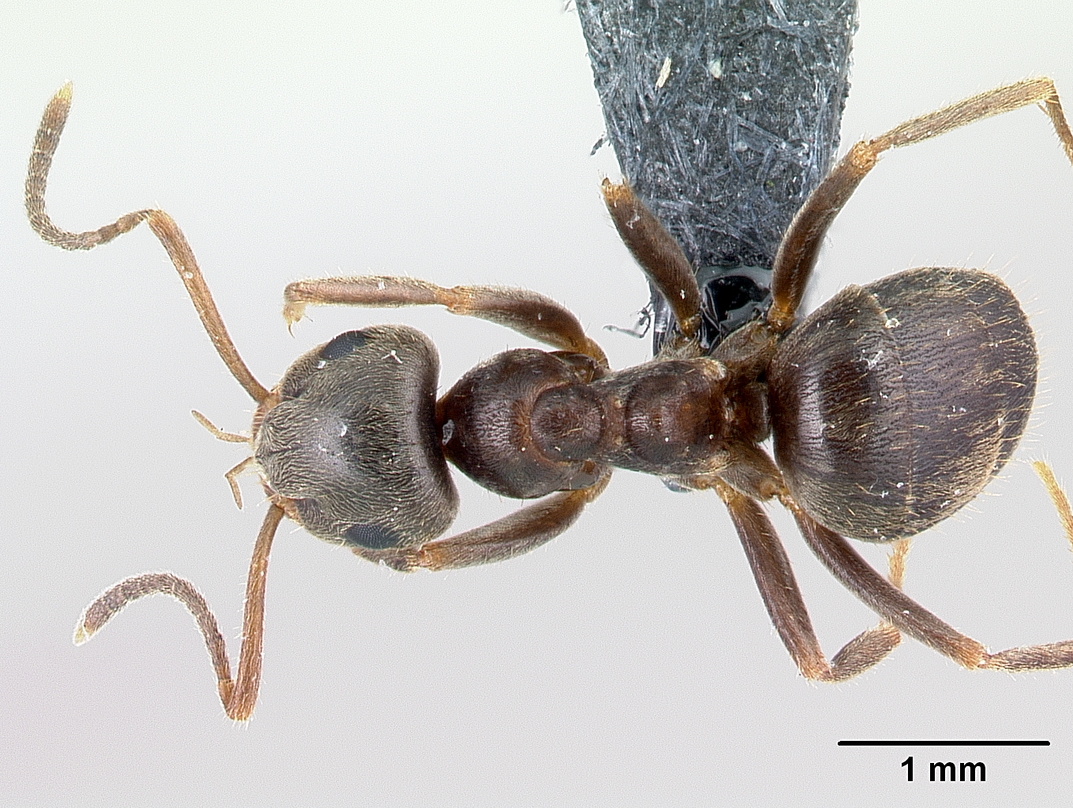
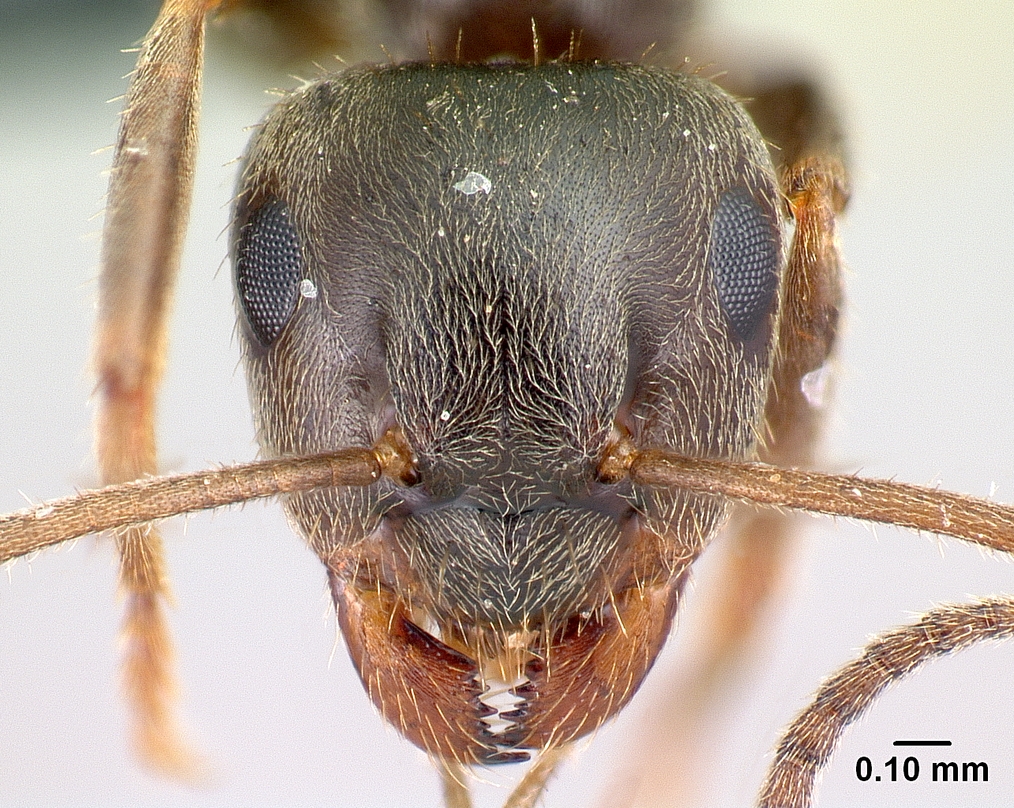
Specimen Photos
Lasius niger โ museum specimen

Lateral

Dorsal

Head
ยฉ AntWeb.org, California Academy of Sciences ยท CC BY-SA 3.0
Overview
Lasius niger, the common black garden ant, is arguably the most widely kept ant species in the world and the undisputed "starter species" for European ant keepers. Queens are abundant during summer nuptial flights, founding is fully claustral and nearly foolproof, and colonies grow rapidly โ often reaching 50+ workers in their first active season. Their small size, tolerance of a wide range of conditions, and enormous mature colony size make them endlessly entertaining to observe.
Queen & Colony
### Founding Method
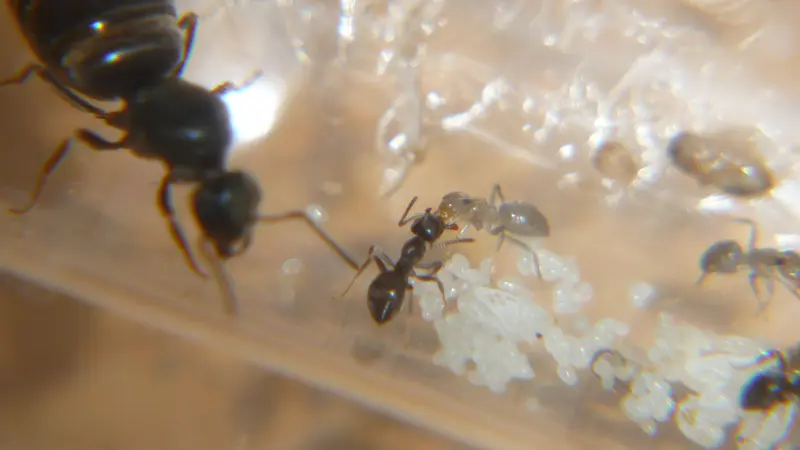
Lasius niger queens are fully claustral. After mating, a single queen can raise her first generation of workers entirely from stored body reserves with no feeding required. Place a newly caught queen in a test tube setup and leave her undisturbed at room temperature (20โ24 ยฐC) in complete darkness. Eggs appear within days, and the first nanitics typically eclose in 6โ8 weeks โ faster than most other temperate species.
### Growth Timeline
L. niger is one of the fastest-growing temperate ant species in captivity. A well-kept colony commonly reaches:
- **Year 1:** 30โ80 workers
- **Year 2:** 200โ500 workers
- **Year 3:** 500โ2,000 workers
Growth is exponential once the colony passes ~100 workers, as foraging efficiency and brood care capacity increase dramatically.
### Mature Size
Wild colonies can contain 15,000โ40,000 workers and persist for over 20 years. In captivity, colonies of 5,000โ10,000 workers are common in large formicaria setups. Queens are among the longest-lived of any ant species โ laboratory queens have survived over 28 years.
Housing
### Test Tube Setup
Use a standard 12 mm or 16 mm diameter test tube with a water reservoir. Because workers are small (3โ5 mm), the cotton plug at the opening must be packed firmly โ loose cotton will allow nanitics to escape. A 12 mm tube is ideal for single-queen founding, as the queen can easily tend her brood pile in the narrower space.
### Formicarium
Move the colony into a formicarium once it reaches 30โ50 workers. Suitable options include:
- **Ytong nests:** Excellent moisture regulation. Carve chambers 3โ5 mm tall with tunnels 2โ3 mm wide โ these ants are small. A 10 cm x 10 cm Ytong block with 10โ15 chambers will serve a colony well through its first 1โ2 years.
- **Acrylic nests:** Good visibility, easy to clean. Choose designs with narrow tunnels appropriate for small species.
- **Plaster nests:** Affordable and easy to hydrate. Pour dental plaster into a container, carve chambers once cured.
- **Soil/sand formicaria:** Naturalistic but harder to observe. Best for display colonies rather than daily monitoring.
### Outworld
L. niger workers are energetic foragers and explore thoroughly. A fluon- or PTFE-coated outworld is essential. Because workers are tiny, escape-proof every seam and tubing connection โ these ants can squeeze through incredibly small gaps. Use petroleum jelly as a secondary barrier around tubing joints.
Recommended Supplies
Diet & Feeding
### Sugar
Sugar is the primary fuel for L. niger. In nature, they farm aphids for honeydew, and this sugar dependency carries over to captivity. Provide:
- **Sugar water:** Mix 1 part white sugar to 4 parts water. Serve on a small dish, bottle cap, or soaked cotton ball. Replace every 2โ3 days.
- **Honey water:** Dilute raw honey 1:5 with water. Pure undiluted honey can trap and kill small workers โ always dilute.
- **Maple syrup:** Diluted 1:3, a good occasional alternative.
Sugar should be available at all times during the active season.
### Protein
Protein drives brood production. Offer 2โ3 times per week:
- **Fruit flies** (*Drosophila*) โ perfect size for small colonies.
- **Small mealworms** โ cut in half or crushed for colonies under 100 workers.
- **Hard-boiled egg** โ a tiny crumb of yolk is protein-rich and readily accepted.
- **Freeze-dried insects** โ convenient and widely available.
Remove uneaten protein after 24 hours to prevent mold and mite infestations.
### Water
Maintain a water source in the outworld at all times. A cotton-plugged water tube or a shallow dish with pebbles (to prevent drowning) works well.
### Frequency
- **Founding stage:** No feeding needed (claustral).
- **Under 50 workers:** Sugar always available, protein every 3โ4 days.
- **50โ500 workers:** Sugar always available, protein every 2 days.
- **500+ workers:** Sugar always available, daily protein.
Feeding Supplies
Temperature & Humidity
### Optimal Ranges
- **Active season:** 20โ25 ยฐC (68โ77 ยฐF). Room temperature in most European homes is perfectly adequate.
- **Nest humidity:** 50โ60%. *L. niger* is not especially humidity-sensitive but performs best with a mild moisture gradient.
### Heating
Supplemental heating is usually unnecessary for European keepers, as typical indoor temperatures fall within the ideal range. If your home is cool (below 18 ยฐC), a small heat mat under one end of the outworld raises activity levels. Never heat the entire nest โ allow the ants to thermoregulate by choosing warmer or cooler chambers.
### Humidity Management
Hydrate Ytong or plaster nests by adding water to the reservoir every 3โ7 days depending on evaporation rate. The wet side of the nest should feel damp to the touch; the dry side should be visibly lighter in color. Overwatering causes mold and floods brood chambers. Underwatering causes brood desiccation โ larvae turn translucent and shrivel.
Climate Supplies
Hibernation / Diapause
### Required?
Yes โ hibernation is essential. L. niger is a temperate species adapted to cold European winters. Without hibernation, queens gradually reduce egg laying, workers become lethargic, and colonies decline over successive years.
### Duration
3โ4 months, typically November through February. A minimum of 8โ10 weeks of sustained cold is recommended.
### Temperature Range
5โ10 ยฐC (41โ50 ยฐF). A wine cooler, unheated garage, or outdoor shed (protected from freezing) all work. Refrigerators at 4โ5 ยฐC are acceptable for Lasius but check weekly that temperatures do not drop below 3 ยฐC.
### Preparation
- In October, begin reducing feeding as the ants naturally slow down. Workers will forage less and brood production ceases.
- Move the colony to a cooler room (12โ15 ยฐC) for 1โ2 weeks as a transition.
- Top off all water reservoirs โ hydration is critical during hibernation.
- Remove the outworld or seal it off to prevent escapees during dormancy.
- Move to the hibernation location. Check water levels every 2โ3 weeks but otherwise leave them undisturbed.
### Waking
In late February or early March, reverse the cooling process: move to a cool room (12โ15 ยฐC) for 5โ7 days, then to full room temperature. Offer diluted honey water immediately. Within 1โ2 weeks, the queen begins laying eggs and the colony resumes normal activity.
Nuptial Flight
### Season & Conditions
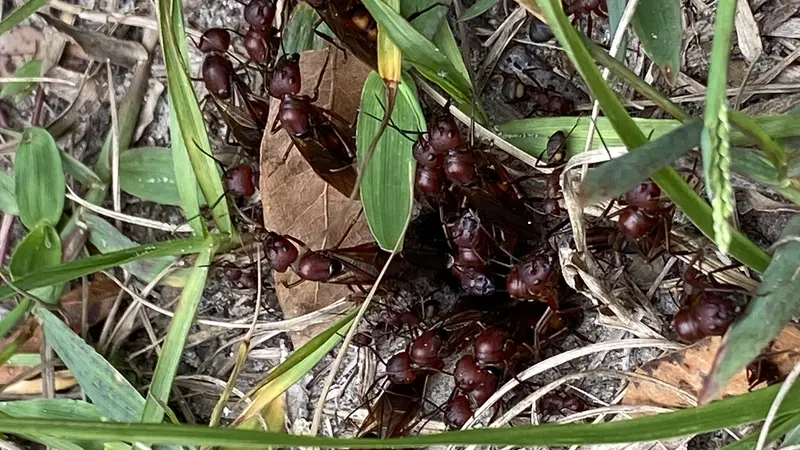
Lasius niger nuptial flights are one of nature's great spectacles โ the famous "flying ant day" in the UK and across Europe. Flights occur from mid-July through August, typically triggered by:
- A period of hot, humid weather (25 ยฐC+)
- Calm winds and high barometric pressure
- Often the day after a rain event, when the ground is moist and air is warm
Flights are synchronized across large areas, with millions of alates launching simultaneously from neighboring colonies. This synchronization maximizes outbreeding success.
### Catching Queens
Freshly mated queens are easy to find. After a flight, look for:
- Wingless queens walking on sidewalks, driveways, patios, and walls.
- Queens are noticeably larger than workers (8โ9 mm vs. 3โ5 mm) and move with purpose.
- They are dark brown to black, with a characteristically large gaster (abdomen).
Collect gently with a soft brush into a small container. You can collect dozens in a good flight โ keep extras for friends or release them after choosing one or two.
### Post-Flight Tips
- House each queen individually โ *L. niger* is strictly monogynous. Pleometrosis (multi-queen founding) sometimes occurs but always ends in fighting once workers arrive.
- Set up a test tube water reservoir immediately.
- Place in darkness at 20โ24 ยฐC. Eggs appear within 3โ7 days.
- First workers eclose in 6โ8 weeks โ faster in warmer conditions.
Common Issues
### Mites
Grain mites (Tyrophagus spp.) are the most common pest. They appear as tiny white or tan dots moving on food, nest surfaces, or even on the ants themselves. Prevention: remove uneaten protein within 24 hours, maintain moderate humidity, and avoid overfeeding. Treatment: move the colony to a fresh, clean nest and discard contaminated materials.
### Mold
White or green mold in the nest indicates excessive moisture or decaying organic matter. Remove any moldy food immediately. If mold is in the nest structure itself, allow the affected area to dry out or transfer the colony to a new nest. Small patches of mold are common and usually harmless โ the ants often remove it themselves.
### Escapes
L. niger workers are tiny and extraordinarily persistent escape artists. Common escape routes include: gaps around tubing connections, degraded fluon barriers, and condensation trails that bypass barriers. Solutions: use tight-fitting tubing with petroleum jelly seals, reapply fluon every 3โ4 weeks, and check all connections weekly.
### Excess Moisture
Flooding a small Ytong or plaster nest is easy to do. If you see standing water in chambers, tilt the nest to drain and reduce hydration frequency. Brood in flooded chambers will die within hours.
Tips for Success
- **Start with multiple queens.** *L. niger* flights produce enormous numbers of queens. Catch 3โ5 to maximize your chances โ some queens are infertile or fail to raise their first brood. You can release extras once your chosen colony is established.
2. Do not disturb during founding. Vibrations and light cause queens to eat their eggs. Place the test tube in a dark, quiet cupboard and resist checking more than once a week (briefly, with a red light).
3. Upgrade housing before overcrowding. L. niger grows fast. Have a formicarium ready before the colony outgrows its test tube โ typically around 30โ50 workers. Overcrowded test tubes lead to brood being dumped in the outworld.
4. Feed small, feed often. Small colonies benefit more from frequent small protein portions than infrequent large ones. A single fruit fly every 3 days is better than a large mealworm once a week for a 20-worker colony.
5. Plan for scale. A 3-year-old L. niger colony can have over 1,000 workers and needs significant space. Budget for larger formicaria and bigger outworlds as the colony grows โ this species rewards long-term investment.
Track Your Colonies with Track Ants
Log feedings, track milestones, sync photos to the cloud, and get nuptial flight alerts โ all in one app built for ant keepers.
Free to download. Premium features available.