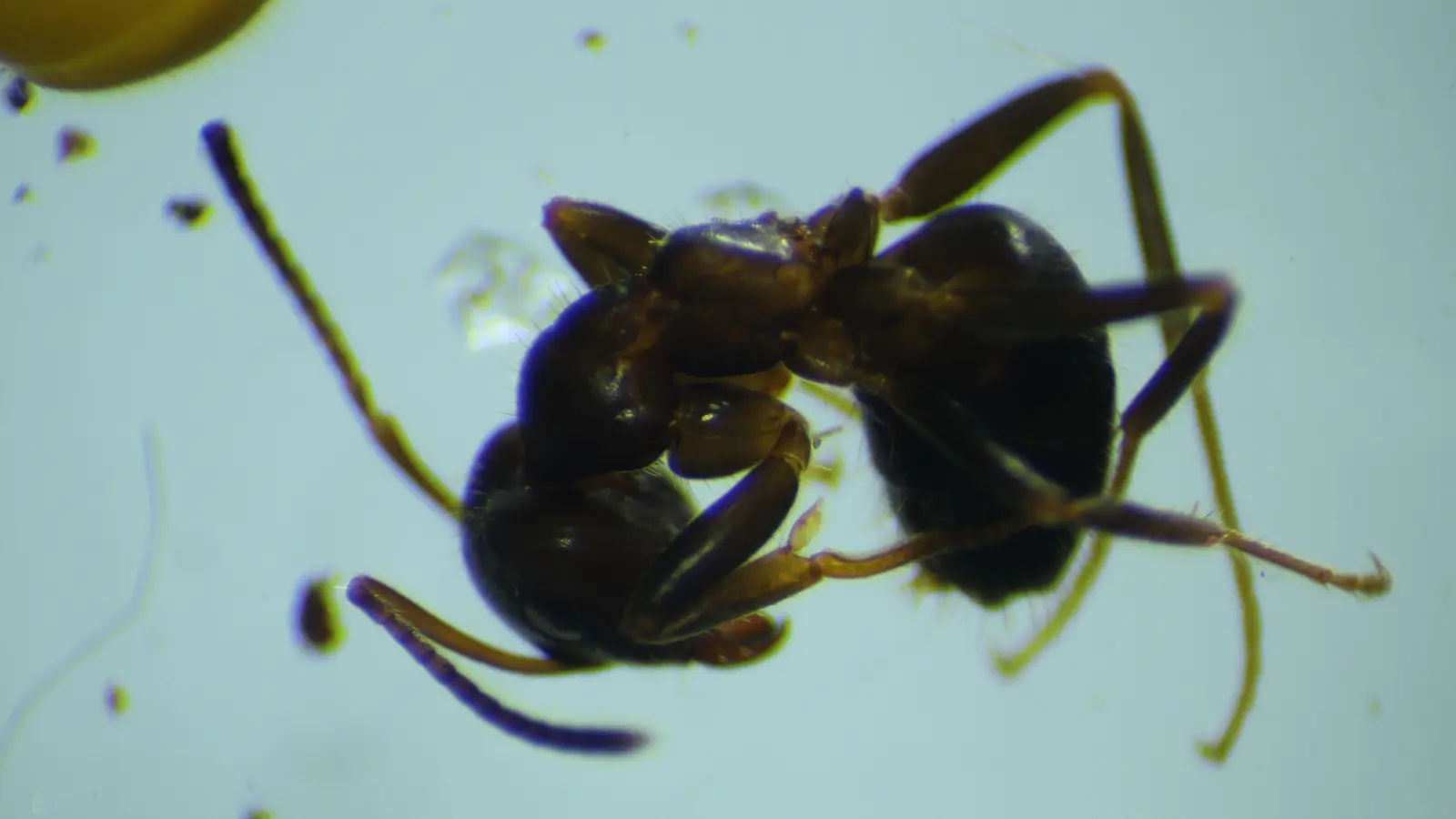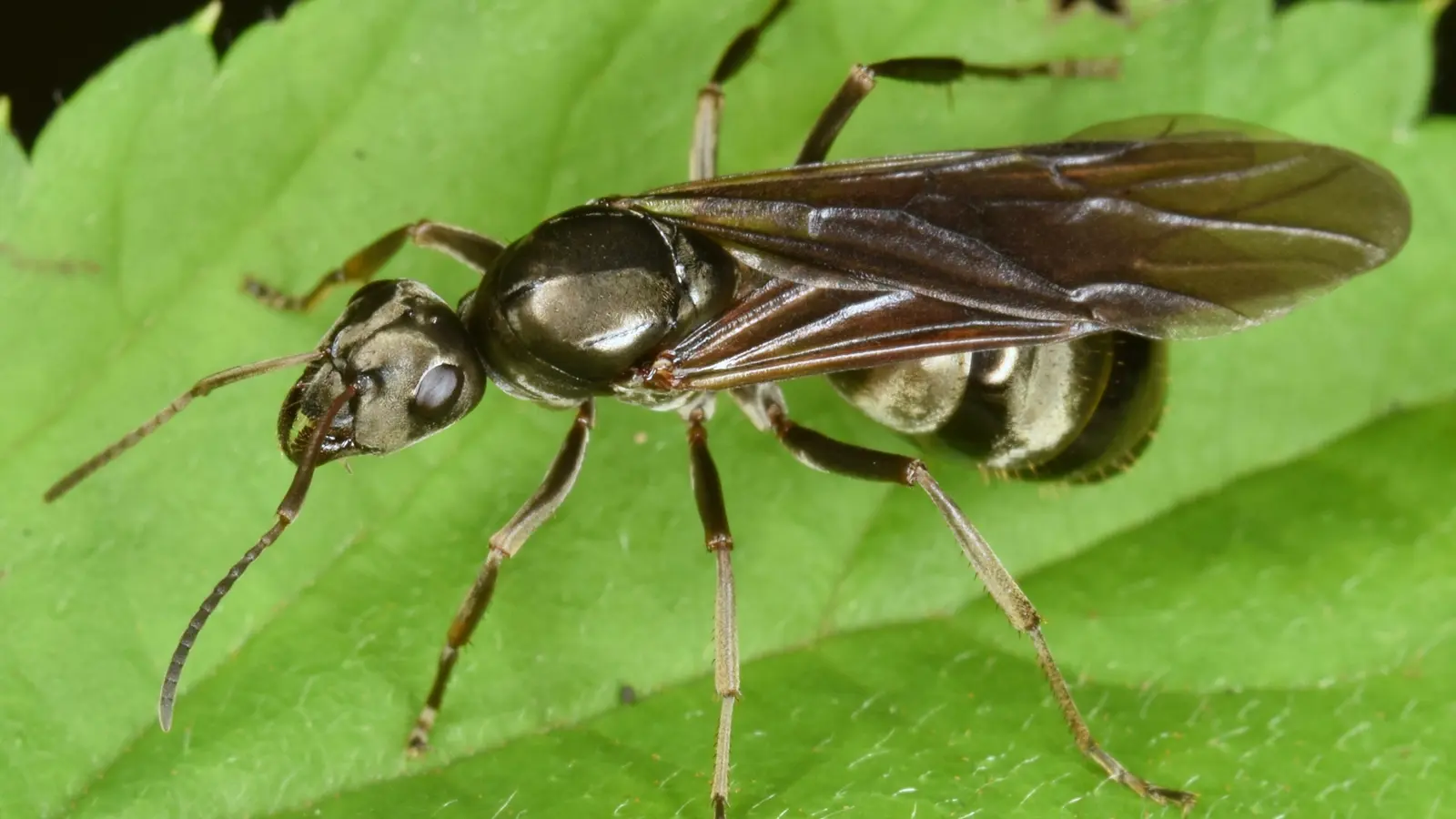
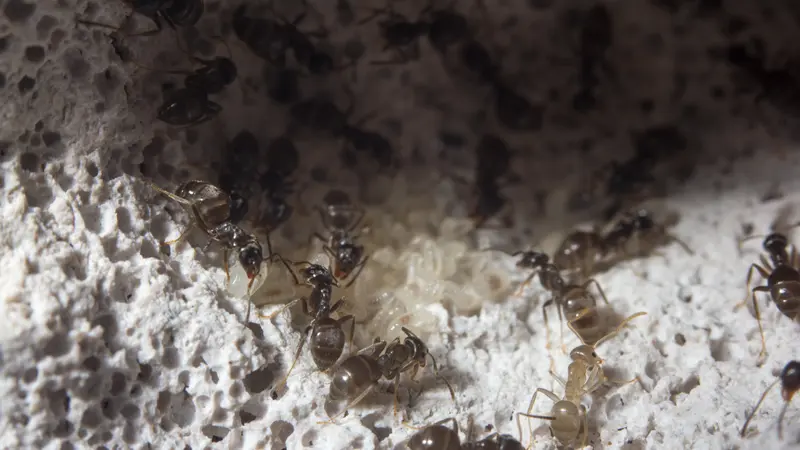
Silky Field Ant (Formica subsericea)

Silky Field Ant

Formica subsericea

Difficulty

beginner

Region

North America

Queen Size

8โ€“10 mm

Worker Size

4โ€“7 mm

Colony Type

Monogynous, 5,000โ€“10,000 workers at maturity

Diet

Omnivore โ€” heavy protein needs, honeydew, insects

Temperature

22โ€“26 ยฐC (72โ€“79 ยฐF)

Humidity

50โ€“60%

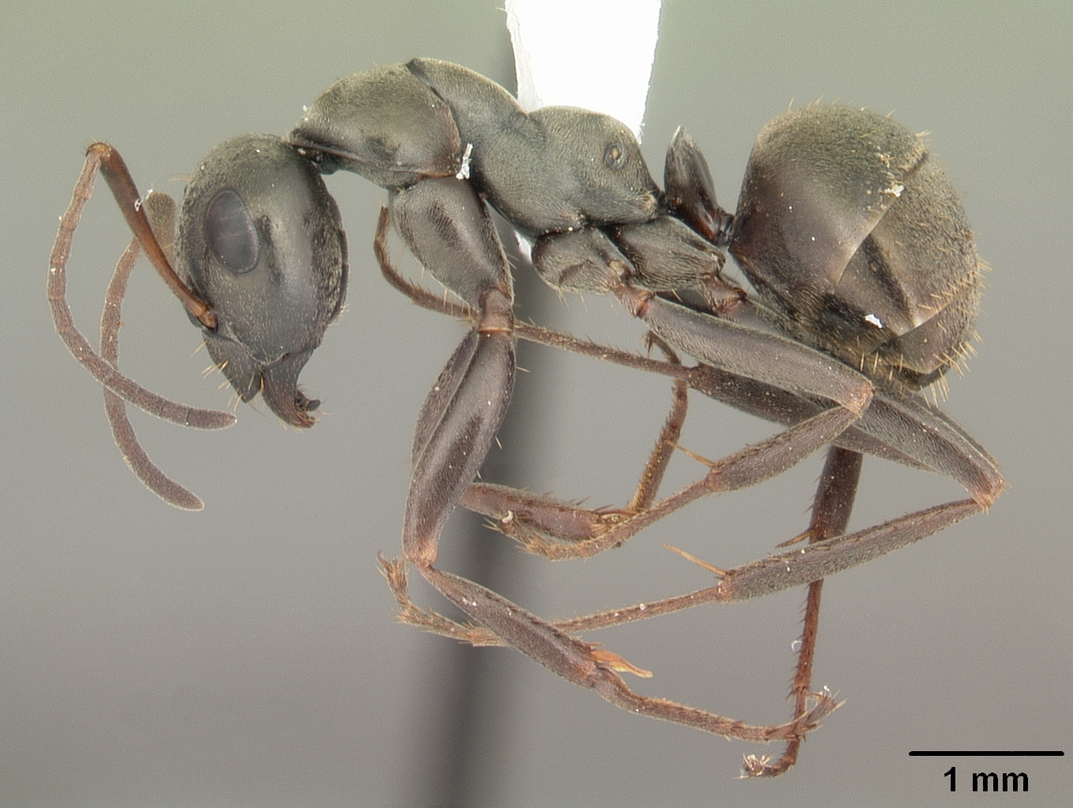
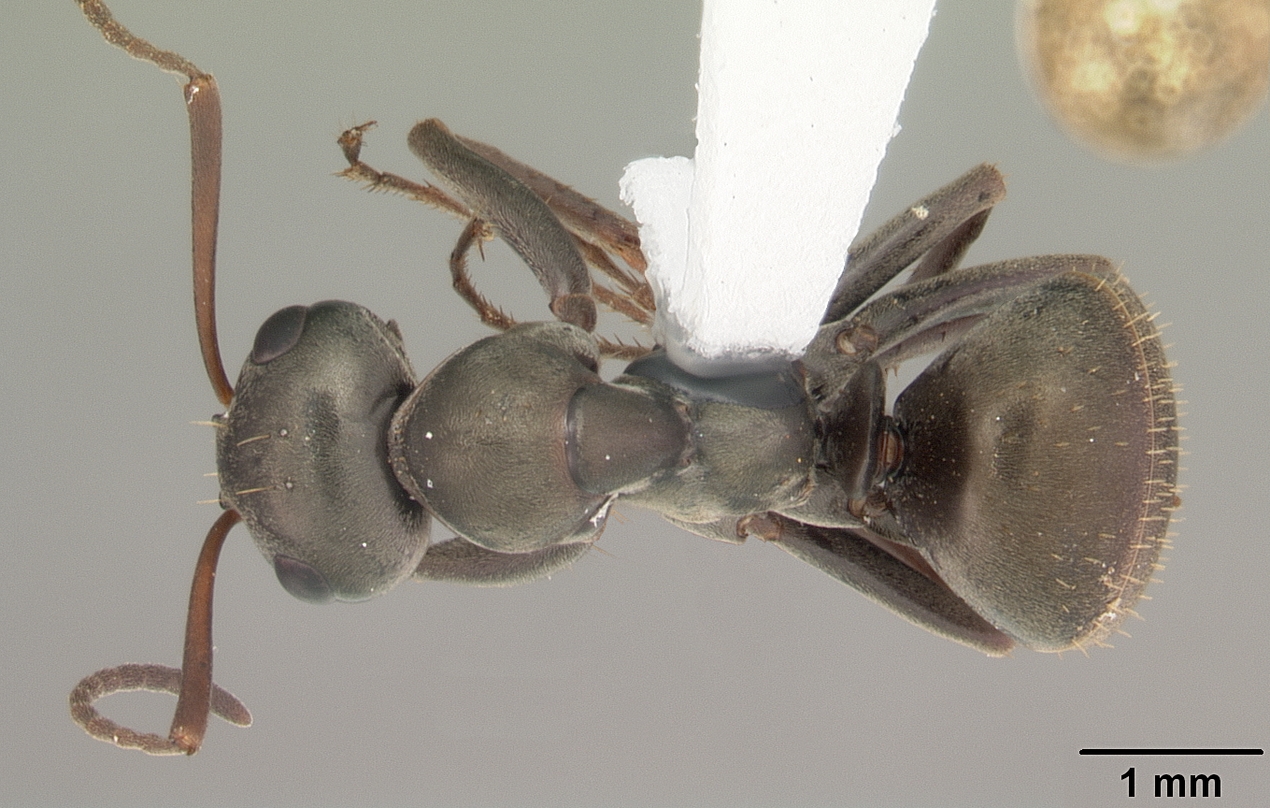
Specimen Photos

Formica subsericea โ€” museum specimen

๐Ÿ“ธAntWeb.org
Formica subsericea Profile view

Lateral

Formica subsericea Top-down view

Dorsal

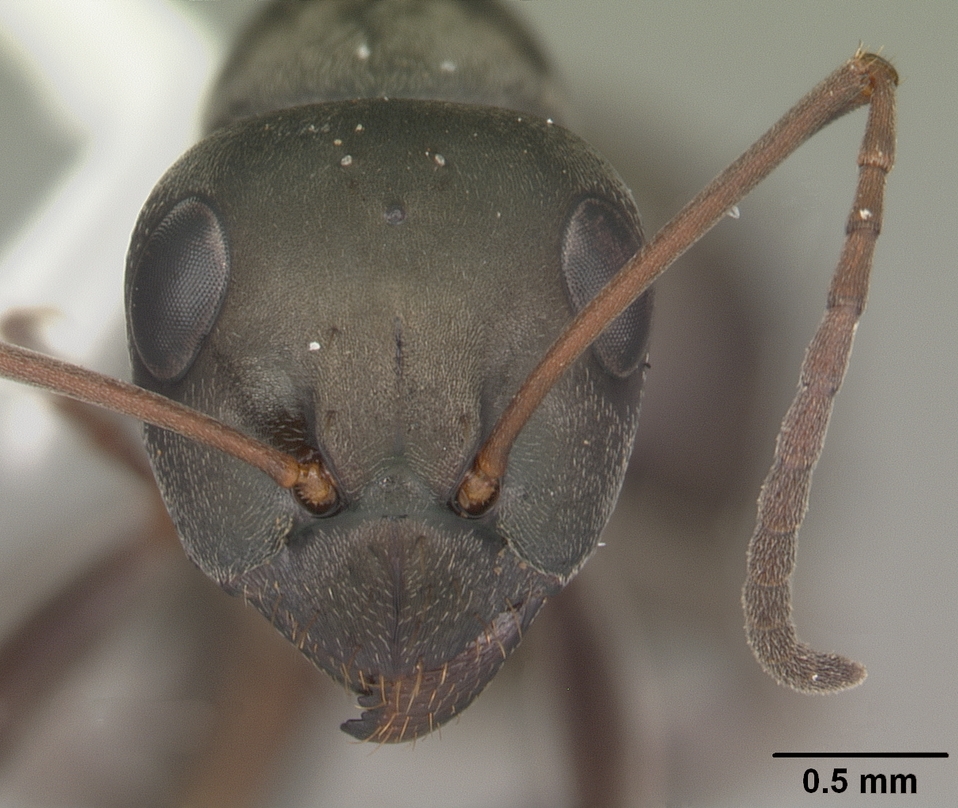
Formica subsericea Frontal view

Head

ยฉ AntWeb.org, California Academy of Sciences ยท CC BY-SA 3.0

Overview

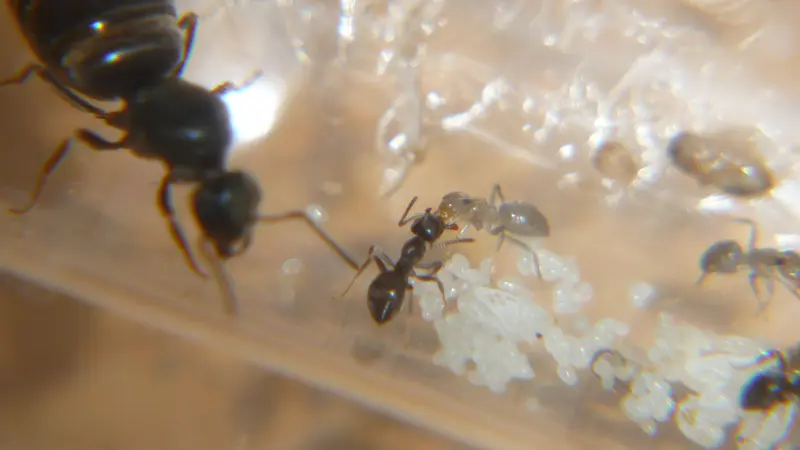
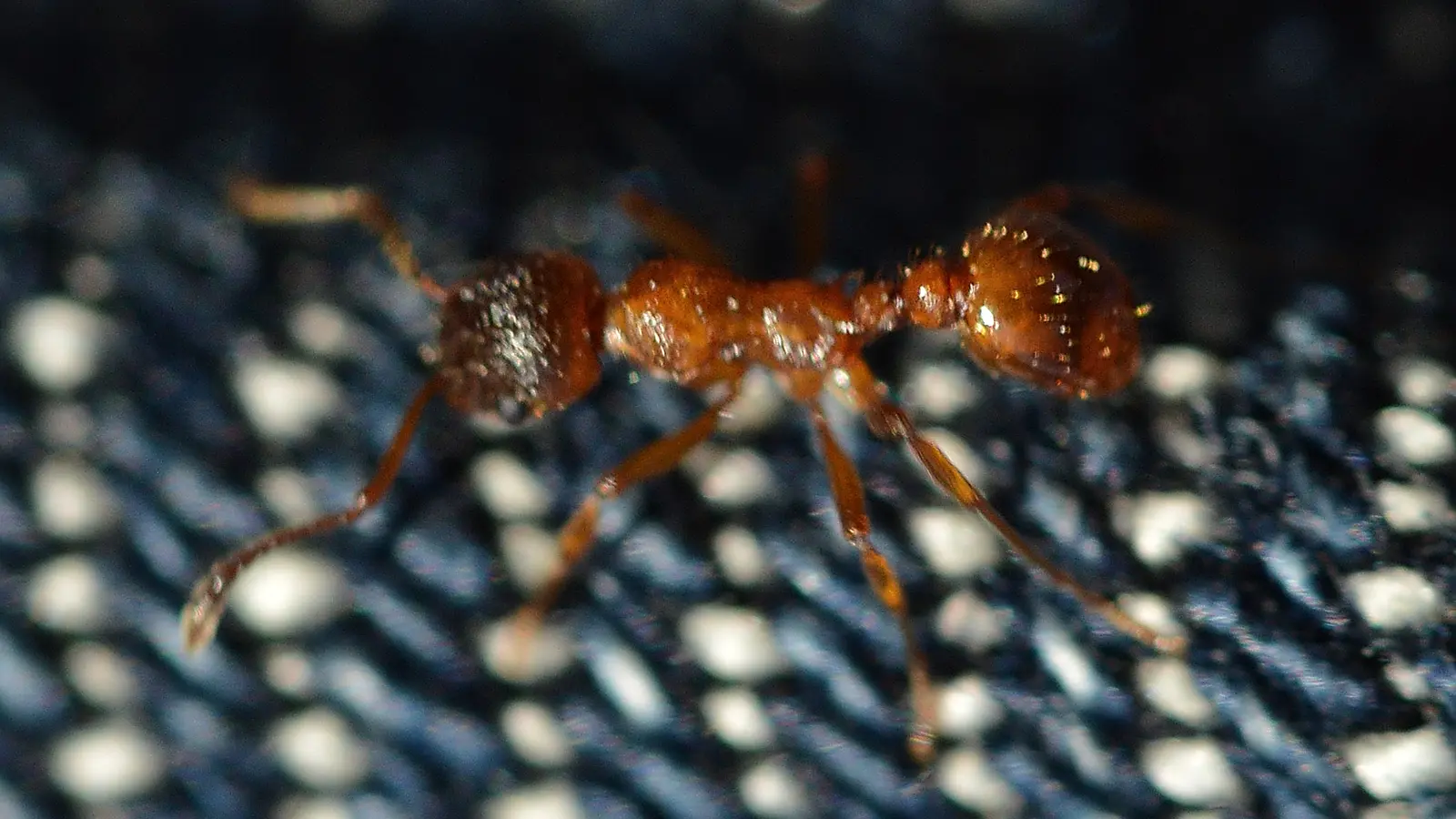
Formica subsericea, the silky field ant, is a medium-sized, fast-moving ant found throughout eastern and central North America in open fields, forest edges, and suburban lawns. Named for the fine silky pubescence (short hairs) covering their gaster, these ants are energetic, aggressive foragers and make fascinating captive subjects. They are an excellent beginner species with one critical caveat: queens are semi-claustral and must be fed during founding, which requires slightly more hands-on care than fully claustral species.

Queen & Colony

### Founding Method

Semi-claustral founding โ€” queens need food during the founding stage. Unlike Camponotus or Lasius, Formica subsericea queens do not have enough body reserves to raise their first brood alone. You must provide small protein and sugar offerings from the moment you set up the queen. This is the single most important difference from claustral species and the reason some beginners lose their first Formica queen.

Place the queen in a test tube setup and offer:

  • A tiny drop of diluted honey (1:5 honey-to-water) on a scrap of aluminum foil every 3โ€“4 days.
  • A single fruit fly or pinhead cricket every 4โ€“5 days.

Remove uneaten food within 12 hours to prevent mold. The queen will actively forage for these offerings, which is normal semi-claustral behavior. First nanitics appear in 6โ€“8 weeks.

### Growth Timeline

  • **Year 1:** 20โ€“50 workers with consistent feeding. Growth depends heavily on the protein you provide during founding.
  • **Year 2:** 200โ€“600 workers.
  • **Year 3:** 1,000โ€“3,000 workers.

Formica species are generally moderate growers but accelerate significantly once the colony passes 100 workers and foraging parties become more efficient.

### Mature Size

Mature wild colonies contain 5,000โ€“10,000 workers. Colonies nest under stones, in soil mounds, and at the bases of stumps. In captivity, colonies of 2,000โ€“5,000 workers are achievable with dedicated long-term care.

Housing

### Test Tube Setup

Standard 16 mm x 150 mm test tube with a water reservoir. Formica workers are medium-sized (4โ€“7 mm) and do not pose the extreme escape risk of tiny species, but secure cotton plugging is still essential. Use a loose outer cotton plug during founding to allow easy food insertion โ€” you will be opening the tube frequently to feed the semi-claustral queen.

A useful trick: connect a second, empty test tube to the founding tube using a short piece of vinyl tubing. Place food in the second tube, allowing the queen to forage without you disturbing her main chamber.

### Formicarium

Transition to a formicarium at 30โ€“50 workers. Formica subsericea is an active, medium-sized species, so nests with tunnels 3โ€“5 mm wide and chambers 5โ€“7 mm tall are appropriate. Good options include:

  • **Ytong nests:** Provide excellent humidity control. Carve chambers to provide both humid and dry zones.
  • **Acrylic nests:** Good visibility. Choose designs with moderate tunnel sizes.
  • **Soil/sand nests:** *Formica* species often prefer naturalistic setups and will excavate their own chambers in a sand-soil mix behind glass. This is particularly engaging to watch but makes colony monitoring harder.

### Outworld

F. subsericea workers are fast, athletic, and good climbers. A roomy outworld with high fluon barriers (4+ cm wide) is essential. These ants are more active foragers than Camponotus and will patrol the entire outworld constantly. Include terrain features like small pebbles or cork bark pieces โ€” Formica ants are stimulated by complex environments and display more natural behaviors when their outworld has structure.

Diet & Feeding

### Protein

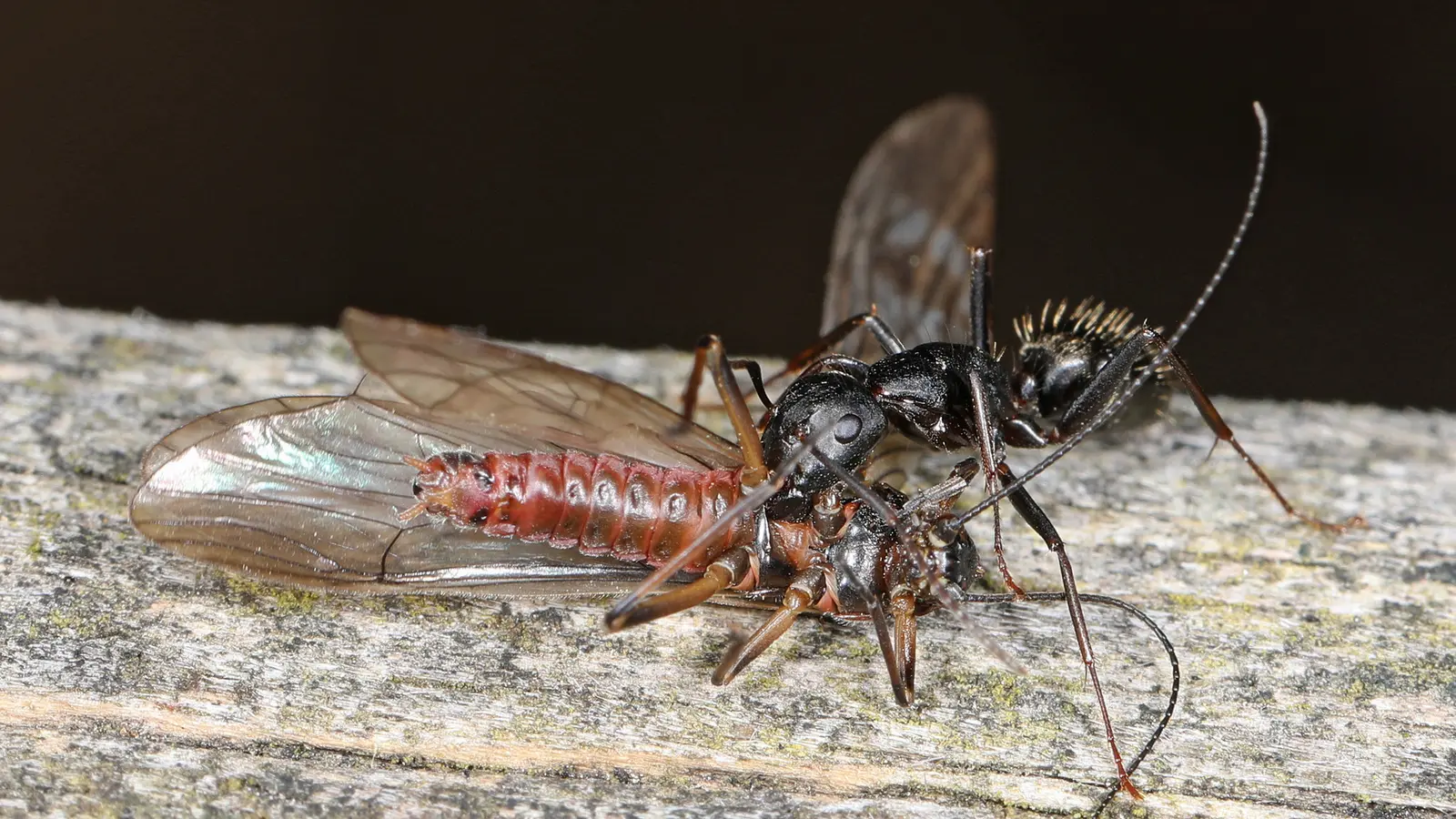
Formica subsericea has high protein requirements compared to many beginner species. In the wild, they are aggressive predators and scavengers, hunting small arthropods and collecting dead insects. In captivity, offer protein frequently:

  • **Live insects:** Fruit flies, small crickets (legs removed), mealworms (cut for small colonies), waxworms.
  • **Frozen insects:** Thawed fruit flies, crickets, and mealworms from pet stores. Convenient and nutritionally equivalent to live prey.
  • **Hard-boiled egg yolk:** Excellent protein source. A small crumb every few days supplements insect protein well.
  • **Raw chicken or turkey:** A tiny sliver of raw poultry is eagerly accepted. Remove within 6โ€“8 hours to prevent spoilage.

### Sugar

Provide sugar water (1:4 ratio) or diluted honey as a constant energy source. In the wild, Formica ants tend aphids for honeydew โ€” sugar is a major component of their natural diet.

### Frequency

  • **Founding queen:** Protein every 4โ€“5 days, sugar every 3โ€“4 days (semi-claustral โ€” do not skip).
  • **Under 50 workers:** Protein every 2โ€“3 days, sugar always available.
  • **50โ€“500 workers:** Protein daily or every other day, sugar always available.
  • **500+ workers:** Protein daily, large sugar source always available.

### Water

Fresh water must be available at all times. Use a cotton-plugged test tube water tower in the outworld. Formica workers drink frequently and are sensitive to dehydration.

Temperature & Humidity

### Optimal Ranges

  • **Active season:** 22โ€“26 ยฐC (72โ€“79 ยฐF). Room temperature is generally fine.
  • **Nest humidity:** 50โ€“60%. *Formica subsericea* nests in well-drained soil in the wild and does not tolerate waterlogged conditions.

### Heating

A heat mat under one corner of the outworld increases foraging activity and brood development speed. Target 25โ€“26 ยฐC on the warm side with the rest of the nest at room temperature. Never heat the nest above 28 ยฐC โ€” Formica species are less heat-tolerant than tropical ants.

### Humidity Management

Hydrate Ytong or plaster nests conservatively. F. subsericea prefers moderately dry conditions compared to moisture-loving species like Myrmica. Add water to the nest reservoir every 5โ€“7 days, allowing partial dry-out between waterings. If using a soil formicarium, mist one corner lightly with a spray bottle every few days.

Hibernation / Diapause

### Required?

Yes โ€” hibernation is mandatory. Formica subsericea is adapted to the continental climate of North America with cold winters. Colonies that do not hibernate will show declining brood production, queen health deterioration, and eventual colony collapse.

### Duration

4โ€“5 months, November through March. This species naturally experiences long, cold winters and tolerates extended hibernation well.

### Temperature Range

3โ€“8 ยฐC (37โ€“46 ยฐF). Formica species generally prefer slightly cooler hibernation temperatures than Camponotus or Lasius. A wine cooler set to 5โ€“6 ยฐC is ideal. Garages and sheds that do not freeze are also suitable.

### Preparation

  1. In early October, reduce feeding as the colony naturally slows. Workers will forage less and may cluster in the nest.
  2. Move to a transitional cool area (12โ€“15 ยฐC) for 1โ€“2 weeks.
  3. Offer a final protein-rich meal and top off all water reservoirs.
  4. Disconnect the outworld and seal the nest entrance with cotton.
  5. Move to hibernation storage. Check water levels monthly โ€” *Formica* is sensitive to desiccation during hibernation.

### Waking

In late March, begin warming gradually. Move from cold storage to a cool room (12โ€“15 ยฐC) for one week, then to room temperature. Offer sugar water immediately upon warming. Provide protein within 24 hours. The queen resumes laying within 1โ€“2 weeks. Semi-claustral queens are particularly hungry after hibernation โ€” feed generously in the first week.

Nuptial Flight

### Season & Conditions

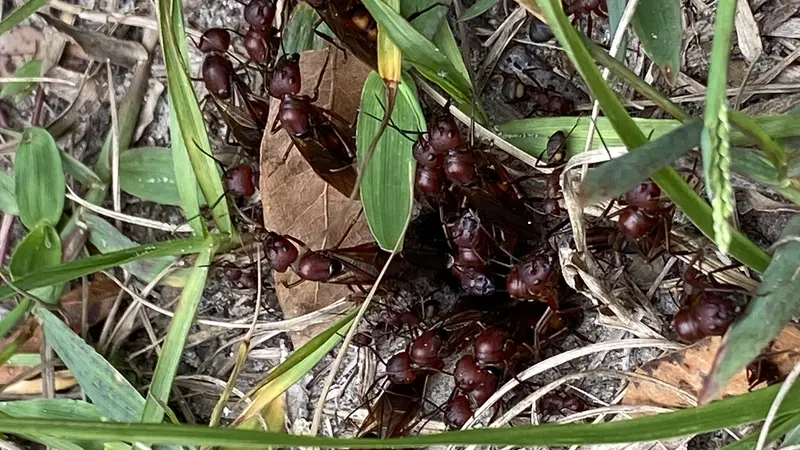
F. subsericea nuptial flights occur from July through August, with peak activity in mid-to-late July across most of their range. Flights launch on warm, sunny afternoons, typically between 1 PM and 5 PM, when temperatures exceed 25 ยฐC and humidity is moderate. Unlike Lasius, flights are not strongly synchronized across the landscape โ€” individual colonies may fly on different days.

### Catching Queens

Freshly mated queens shed their wings and search for a founding site. Look for them:

  • Walking on open ground near field edges and meadows.
  • On sidewalks and trails near known colony mounds.
  • Under stones and logs where they seek shelter after mating.

Queens are 8โ€“10 mm long, dark brown to black with a slightly silvery sheen on the gaster (the characteristic silky pubescence). They move quickly and may attempt to run when approached โ€” Formica queens are faster than Camponotus queens.

### Post-Flight Tips

  • House each queen individually โ€” *F. subsericea* is monogynous.
  • Set up a test tube with water reservoir **and immediately provide food** (sugar water drop and a tiny fruit fly). This is semi-claustral founding โ€” the queen will starve without supplemental feeding.
  • Place in a quiet, dark location at 22โ€“25 ยฐC.
  • Feed every 3โ€“5 days throughout the founding period. Remove old food promptly.
  • Nanitics appear in 6โ€“8 weeks.

Common Issues

### Starvation During Founding

The most common cause of queen death in F. subsericea. New keepers accustomed to claustral species like Lasius or Camponotus may not realize this queen needs feeding. Offer protein and sugar within 24 hours of catching a queen and maintain a regular feeding schedule throughout founding.

### Stress and Aggression

Formica species are more high-strung than Camponotus or Lasius. Workers spray formic acid when stressed, and colonies may panic in response to vibrations, strong light, or sudden temperature changes. Handle the nest gently, avoid direct sunlight, and minimize disturbances.

### Dehydration

Formica workers and brood are somewhat sensitive to low humidity. Brood that appears shriveled or translucent is likely dehydrated. Increase nest hydration gradually and ensure the outworld water source is always full.

### Mold

Because semi-claustral founding requires food in the test tube, mold risk is higher than with claustral species. Use the connected-tube method (food in a separate tube) to keep the queen's chamber clean. Remove uneaten food within 12 hours.

### Fast Workers, Tricky Escapes

Formica workers are fast runners and persistent explorers. They test barriers more aggressively than many other genera. Ensure fluon is fresh, barriers are wide, and all connections are sealed. Workers that escape will sprint long distances across surfaces before you can catch them.

Tips for Success

  1. **Master semi-claustral feeding early.** The connected-tube method โ€” a founding tube linked by vinyl tubing to a feeding tube โ€” keeps the queen's chamber clean while giving her easy access to food. This single technique dramatically improves founding success.

2. Feed protein generously. Formica species have higher protein demands than most beginner ants. When in doubt, offer more protein. A colony that stops growing is almost certainly protein-starved.

3. Provide a complex outworld. Cork bark, pebbles, and small branches in the outworld stimulate natural foraging behaviors. Formica ants are among the most fun to watch foraging โ€” give them an interesting environment and they will reward you with active, engaging displays.

4. Keep hibernation cold. This species benefits from genuinely cold hibernation (3โ€“8 ยฐC), colder than what many keepers provide for Camponotus. A dedicated wine cooler is the best investment for consistent results.

5. Monitor water during hibernation. Desiccation is the leading cause of hibernation mortality for Formica species. Check water reservoirs monthly and add water with a syringe if levels are low. The ants will not be disturbed by brief, gentle water additions.

Track Your Colonies with Track Ants

Log feedings, track milestones, sync photos to the cloud, and get nuptial flight alerts โ€” all in one app built for ant keepers.

Free to download. Premium features available.