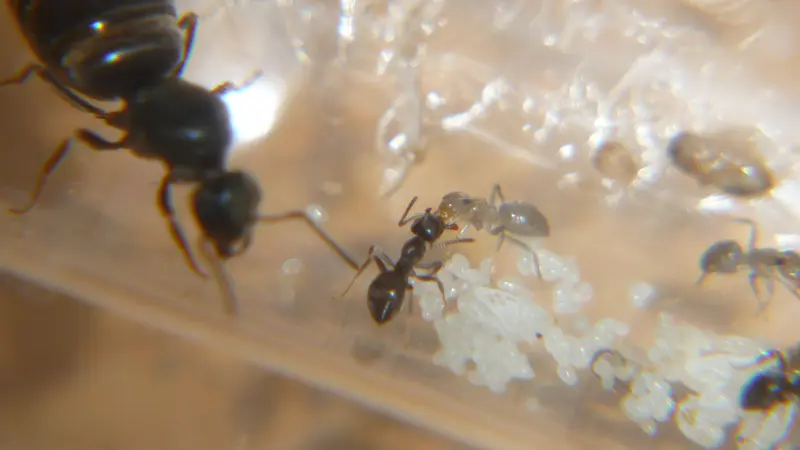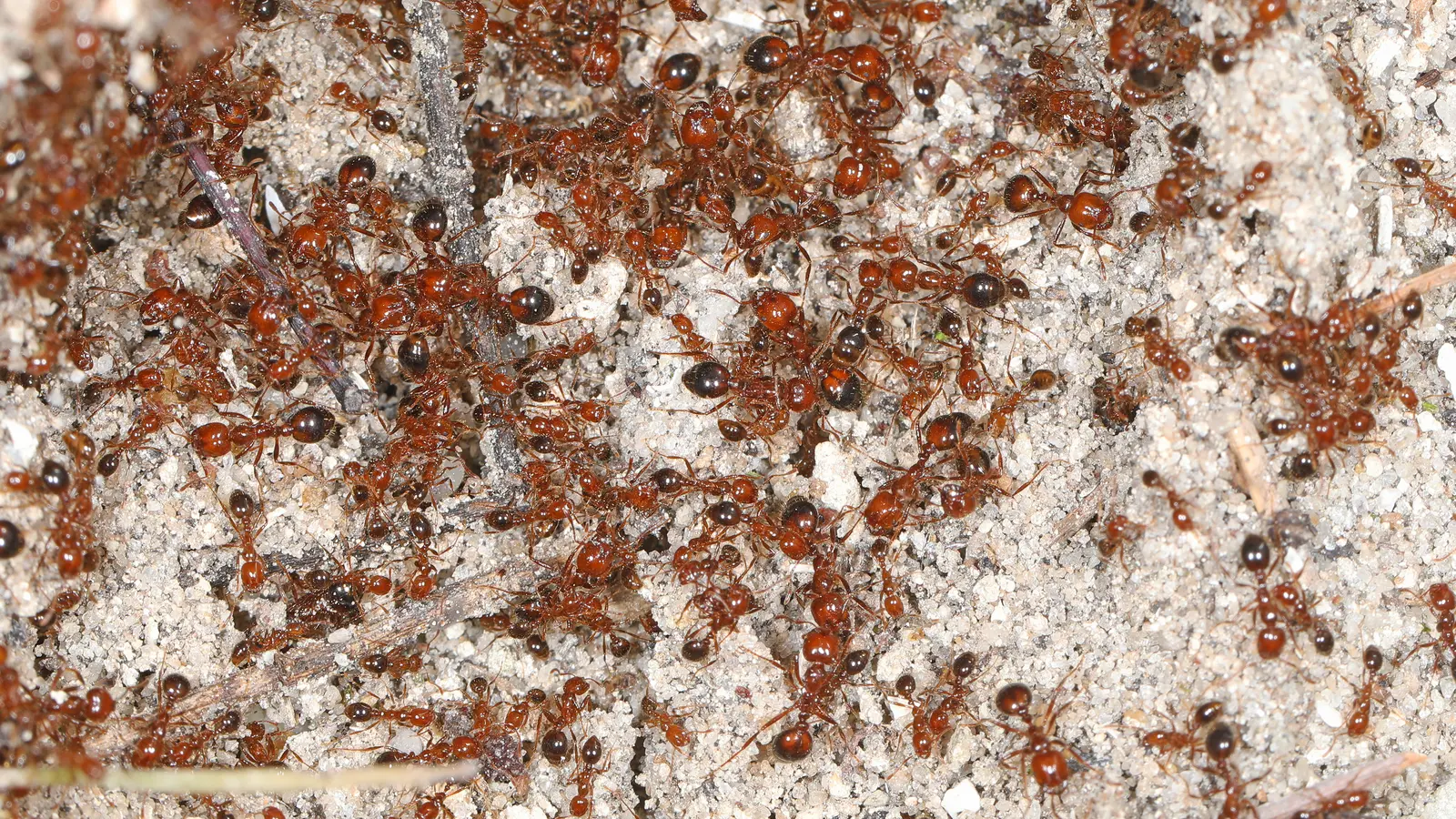
Red Imported Fire Ant (Solenopsis invicta)

Red Imported Fire Ant

Solenopsis invicta

Difficulty

intermediate

Region

Southern US / Global (invasive)

Queen Size

6-7mm

Worker Size

1.5-5mm (polymorphic)

Colony Type

polygynous

Diet

omnivore

Temperature

25-30°C (77-86°F)

Humidity

50-70%

Specimen Photos

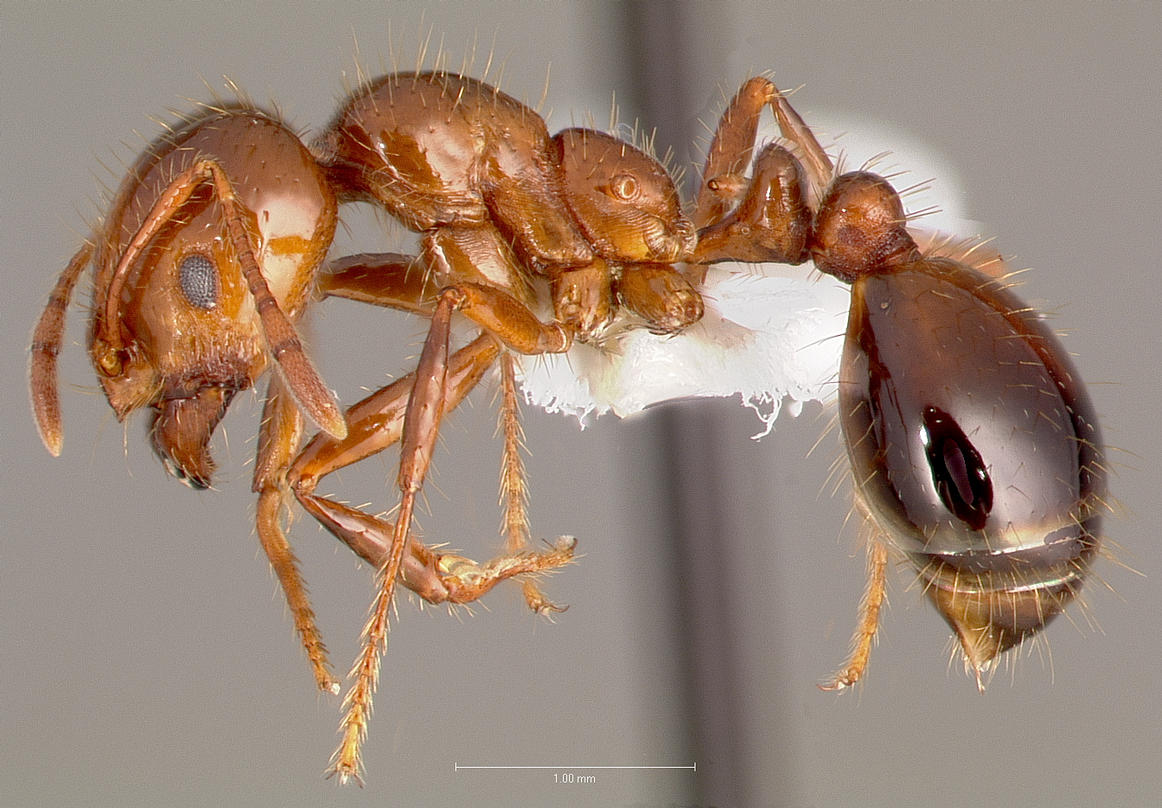
Solenopsis invicta — museum specimen

📸AntWeb.org
Solenopsis invicta Profile view

Lateral

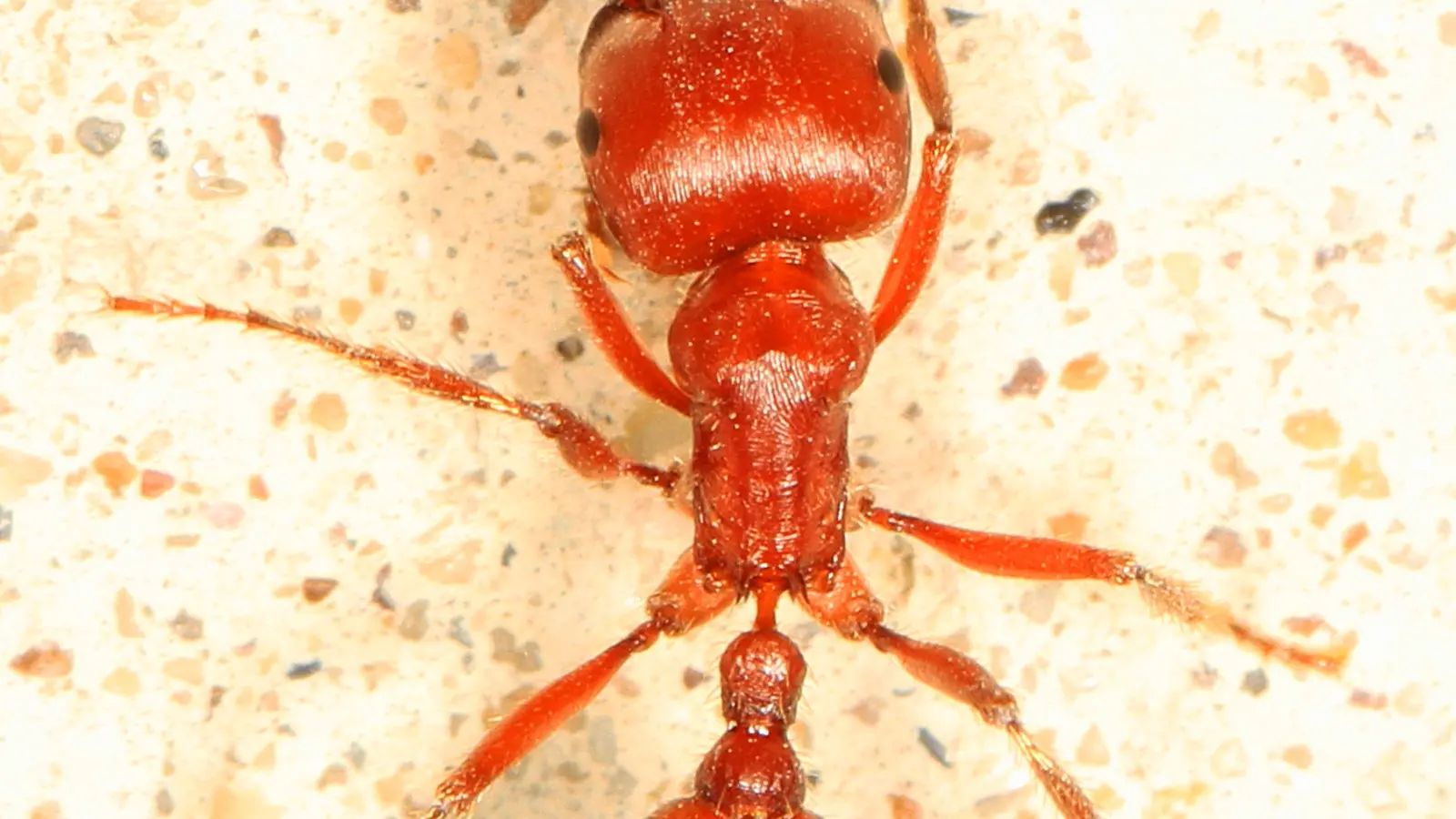
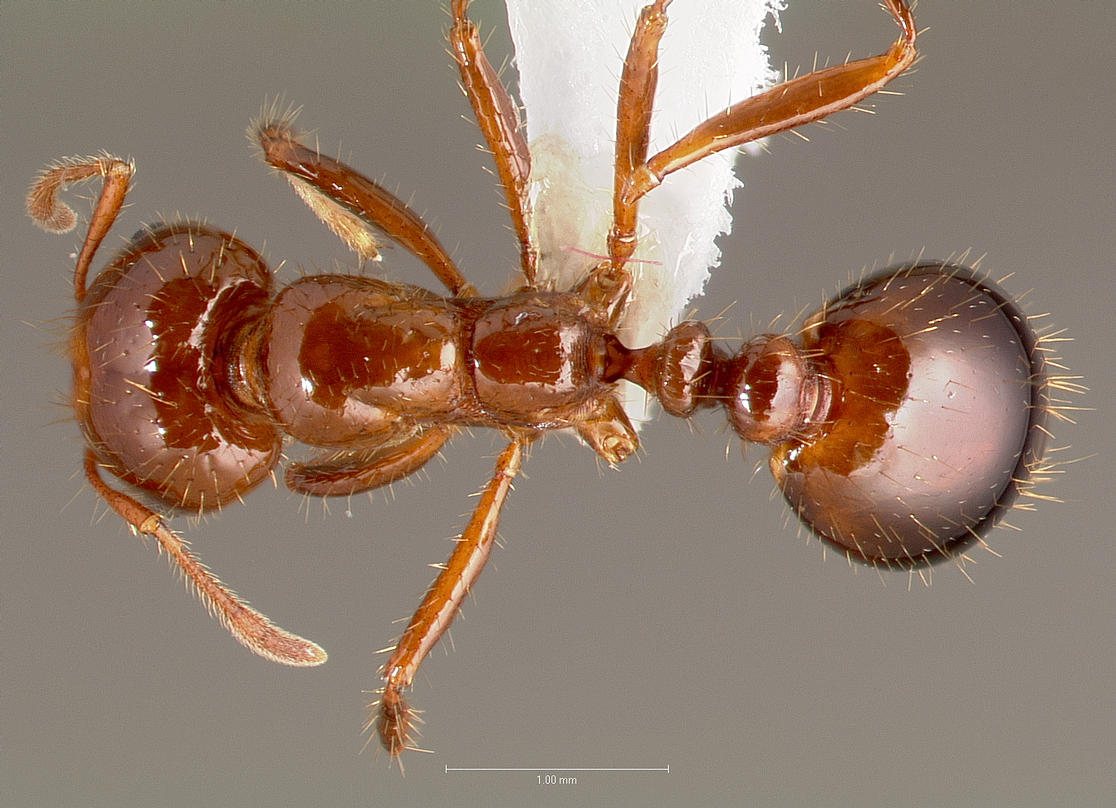
Solenopsis invicta Top-down view

Dorsal

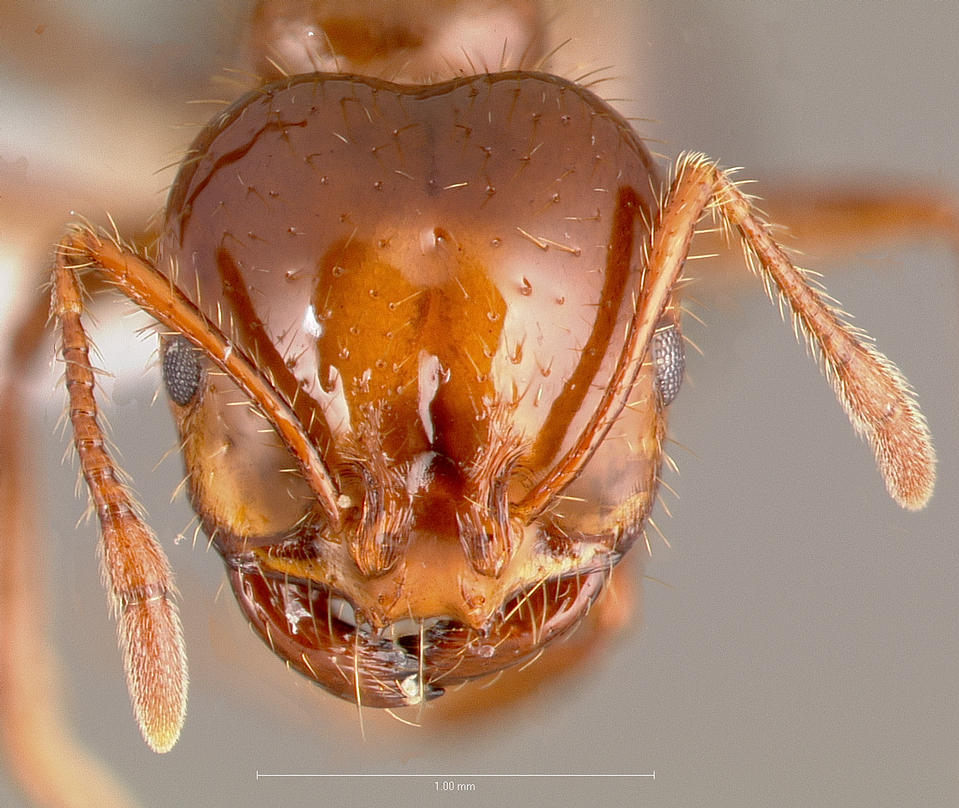
Solenopsis invicta Frontal view

Head

© AntWeb.org, California Academy of Sciences · CC BY-SA 3.0

Overview

Solenopsis invicta, the Red Imported Fire Ant, is one of the most successful invasive ant species on the planet. Originally from the floodplains of South America (Brazil, Argentina, Paraguay), it was accidentally introduced to the United States in the 1930s through the port of Mobile, Alabama, and has since spread across the entire southern US and into many tropical and subtropical regions worldwide. This species is prized by experienced keepers for its explosive colony growth, dramatic worker polymorphism, and voracious appetite, but it demands serious respect due to its painful venomous sting and the legal restrictions surrounding its captivity in many jurisdictions.

Queen & Colony

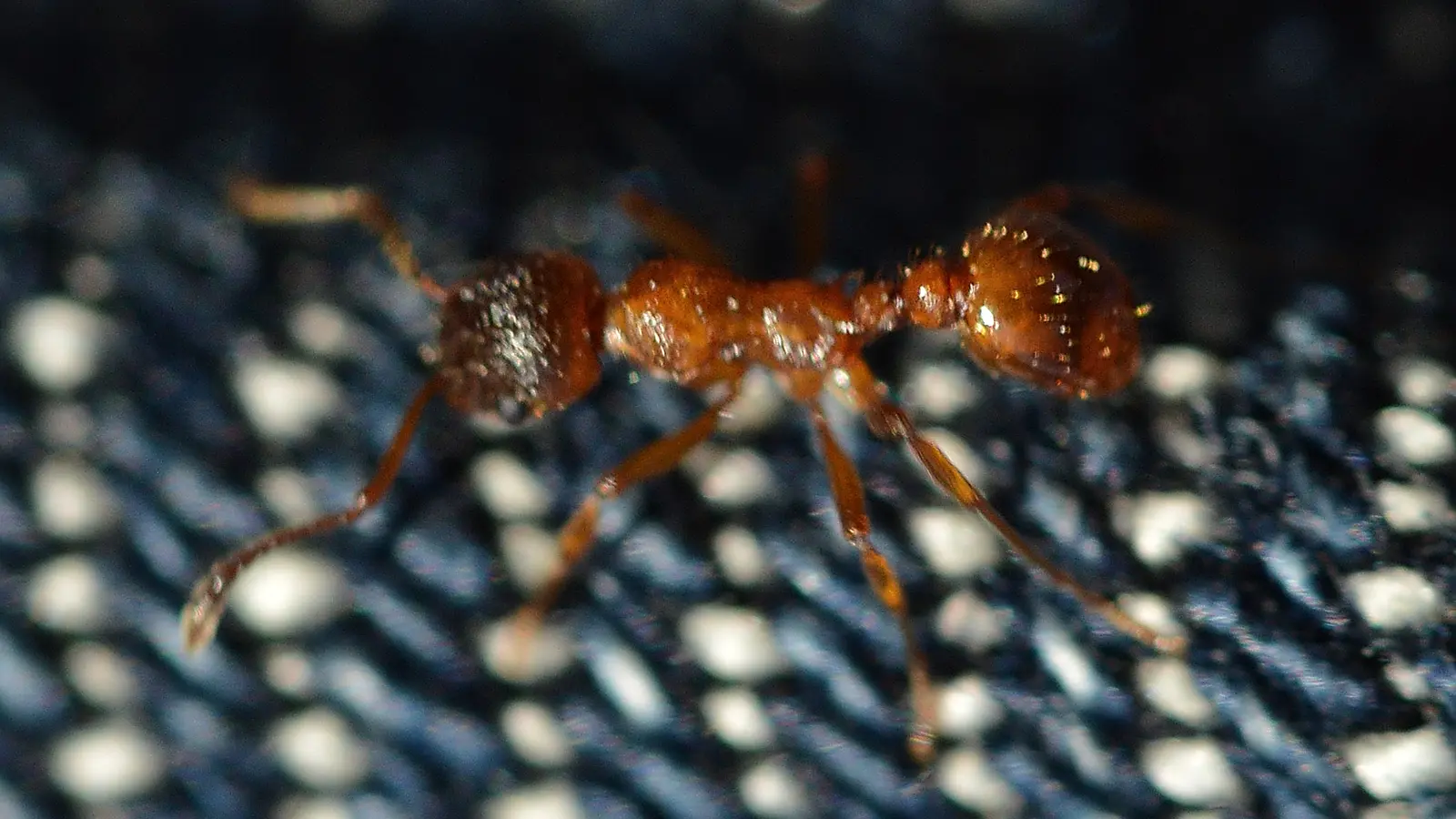
Solenopsis invicta queens are fully claustral, meaning they seal themselves in a chamber after mating and raise their first brood entirely from body reserves without foraging. Queens are relatively small at 6-7mm, with a reddish-brown coloration and a noticeably large gaster when freshly mated.

This species is polygynous — colonies readily accept multiple queens, and in captivity a multi-queen setup accelerates early growth dramatically. A single founding queen can produce her first nanitics (tiny first-generation workers) in as little as 3-4 weeks under warm conditions. Worker polymorphism appears once the colony reaches roughly 200-300 workers, with the first minor workers giving way to increasingly larger medias and eventually impressive major workers with disproportionately large heads.

Growth is remarkably fast. A single-queen colony can reach several thousand workers within the first year under optimal conditions. Mature colonies with multiple queens can swell to 100,000 to 500,000 workers, though captive colonies of 10,000-50,000 workers are more typical due to space constraints. Brood production is continuous in warm conditions with no natural pause.

The worker polymorphism is one of the great visual attractions of keeping fire ants. Minor workers (1.5-2.5mm) are the numerous generalists that forage, tend brood, and maintain the nest. Media workers (3-4mm) bridge the size gap. Major workers (4-5mm) have noticeably larger heads and serve as soldiers and heavy-duty food processors. In a thriving colony, watching all three size classes work together on a large food item is a mesmerizing display of cooperative organization.

Housing

Founding Stage (Test Tube Setup): Start queens in a standard test tube setup — a 16x150mm glass test tube with a water reservoir held by a cotton plug, followed by a nesting chamber and a loose cotton entrance plug. Fire ant queens are small enough that standard tubes work perfectly. For polygynous founding, place 2-5 queens together in a single tube; they are cooperative during the claustral phase and will share the work of warming and tending the brood pile.

Keep the test tube in a warm, dark location (26-28°C) and avoid any disturbance during the founding period. Wrapping the tube in aluminum foil or placing it inside a dark container reduces light stress.

Early Colony (50-500 workers): Move to a small acrylic or ytong formicarium with an attached outworld. Fire ants prefer moderately humid nest chambers but will tolerate a gradient. A nest with a water tower or sponge-based humidification system works well. Keep chambers small — fire ants are tiny and lose brood heat in oversized spaces. A mini hearth-style formicarium with 3-5 small chambers connected by narrow tunnels mimics their natural underground architecture well. Cover the nest with a dark cloth or red film to reduce light stress while still allowing observation.

Growing Colony (500+ workers): Fire ants are prolific diggers, so many keepers use sand-filled naturalistic setups or multi-chamber acrylic nests. They accept nearly any nest style but thrive in setups with multiple interconnected chambers and good ventilation. Large outworlds are essential for colonies in the thousands — these ants forage aggressively and need space to spread out. Consider a tiered outworld design with multiple levels connected by tubing — this provides more foraging surface area without taking up excessive floor space.

For colonies exceeding 5,000 workers, industrial-style setups become necessary. Some advanced keepers use large plastic storage bins (50-100L) with Fluon-coated walls as outworlds, connected to multi-nest configurations. Plan ahead for scaling — fire ants grow faster than almost any other captive species, and a setup that feels spacious in month three may be severely overcrowded by month eight.

CRITICAL — Escape Prevention: This is the single most important consideration for fire ant housing. Solenopsis invicta workers are tiny (minors as small as 1.5mm), incredibly persistent, and can squeeze through openings that seem impossibly small. Fluon (PTFE) barriers applied to the upper walls of all outworlds and containers are absolutely essential. Apply at least two coats of Fluon and reapply monthly. Supplement with a band of baby powder mixed with rubbing alcohol below the Fluon line as a secondary barrier. All tubing connections, lid seams, and ventilation holes must be checked obsessively. A single gap of 0.5mm is an open door for minor workers.

<!-- AFFILIATE: Fluon/PTFE barrier coating, escape-proof outworld, acrylic formicarium -->

Diet & Feeding

Solenopsis invicta is a voracious omnivore and one of the easiest ant species to feed. They attack virtually any food source with enthusiasm.

Protein: Fire ants need constant access to protein for brood production. Offer freshly killed or frozen-thawed insects — fruit flies, mealworms, crickets, and superworms are all eagerly accepted. Small colonies can be fed cut pieces of boiled chicken, scrambled egg (no oil or seasoning), or freeze-dried insects. Large colonies will strip a full adult cricket to the exoskeleton overnight. Feed protein every 2-3 days for growing colonies, or daily for large colonies with heavy brood.

Sugars: Provide sugar water (1:4 sugar to water ratio) in a small dish with cotton or a test tube feeder. Honey diluted 1:3 with water is also excellent. Fire ants are not as sugar-dependent as some species but workers still need carbohydrates for energy. Refresh sugar water every 2-3 days to prevent mold.

Seeds and Other Foods: Unlike many ant species, fire ants will also consume seeds, bread crumbs, fats, and nearly any human food scraps. This makes them extremely easy to feed, but stick to a balanced diet of protein and sugar as the primary staples. Avoid excessively salty or heavily processed foods, as they can dehydrate workers. Raw, unseasoned foods are always preferred. Some keepers supplement with a thin smear of peanut butter or a drop of olive oil for added lipids, which fire ants appreciate.

Water: Always provide a water source in the outworld — a test tube reservoir or a small dish with cotton to prevent drowning. Fire ants are tropical and dehydrate quickly in dry conditions. For large colonies, consider multiple water points to ensure all workers have access without long travel distances. A shallow dish filled with pebbles and water creates a safe drinking station where even the smallest minors can drink without drowning risk.

Feeding Behavior: Fire ants are cooperative feeders. When a scout finds a food item, she recruits nestmates through chemical trails and physical interactions. Within minutes, a large food item will be covered in workers of all sizes, with minors carrying small pieces and majors using their stronger mandibles to dismember larger portions. This recruitment behavior makes feeding sessions one of the most entertaining aspects of fire ant keeping.

<!-- AFFILIATE: freeze-dried insects, sugar water feeders, mealworm cultures -->

Temperature & Humidity

Temperature: Fire ants are a tropical species and thrive at warm temperatures. The ideal range is 25-30°C (77-86°F), with 27-28°C being optimal for brood development. Below 20°C, brood development slows dramatically and worker activity decreases. Below 15°C, colonies become sluggish and may suffer losses. Fire ants have no cold tolerance whatsoever — never expose them to freezing temperatures.

A small heat cable or heat mat placed under one side of the nest creates a beneficial temperature gradient, allowing the ants to move brood to their preferred temperature zone. Maintain the warm side at 28-30°C and let the cool side sit at ambient room temperature (22-25°C).

Humidity: Maintain nest humidity at 50-70%. Fire ants prefer moderately moist nesting conditions but are susceptible to mold in overly wet environments. A water tower in a ytong nest or a moist sponge in an acrylic nest works well. The outworld can be drier. Mist the nest area lightly if humidity drops below 50%, but avoid saturating the substrate.

Ventilation: Good airflow is important to prevent mold and stale air in the nest. Ensure all enclosures have mesh-covered ventilation holes — but remember to use holes smaller than 0.5mm or cover them with fine stainless steel mesh to prevent escapes.

Heat Gradient Setup: The ideal approach is to place the heat mat under only one-third to one-half of the nest footprint, allowing the colony to experience a range from 28-30°C on the warm end to ambient room temperature (22-24°C) on the cool end. Workers will shuttle brood between zones depending on developmental stage — eggs and young larvae thrive at the warmest temperatures, while mature pupae may be moved to slightly cooler areas. This natural temperature regulation behavior is healthy and should be encouraged through proper gradient design.

<!-- AFFILIATE: heat mat, digital thermometer/hygrometer, mesh ventilation covers -->

Hibernation / Diapause

No hibernation required. Solenopsis invicta is a tropical species originating from the warm lowlands of South America. They do not undergo diapause and should be kept warm year-round. Colonies remain active and produce brood continuously at temperatures above 22°C. Unlike temperate species that need a cool period to reset their reproductive cycle, fire ant queens lay year-round without any seasonal pause. This continuous brood production is one of the reasons fire ant colonies grow so rapidly and can reach enormous sizes within a few years.

If room temperatures drop during winter, use supplemental heating to keep the nest area above 24°C. Extended cold exposure (below 15°C for more than a few days) can kill brood and weaken the colony. In regions with cool winters, a thermostat-controlled heat mat is essential for year-round colony health. Position it under one end of the nest to maintain a warm zone while allowing the opposite end to remain at ambient temperature — workers will regulate brood placement accordingly.
Nuptial Flight

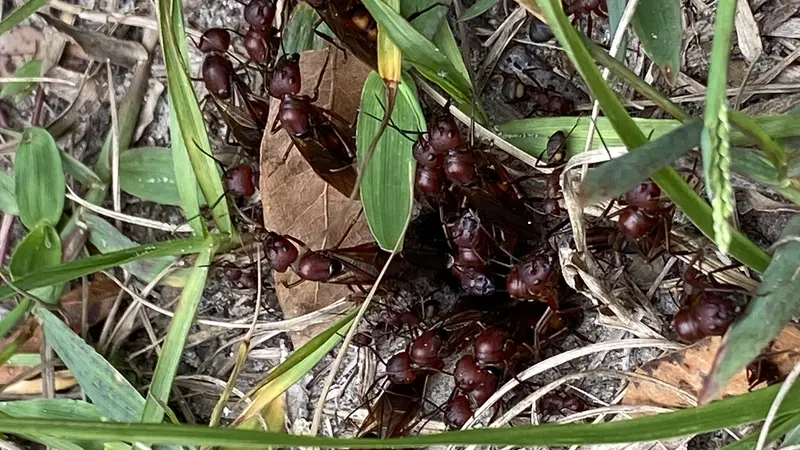
Solenopsis invicta mating flights are triggered primarily by warm temperatures and recent rainfall. In the southern United States (Texas, Florida, Louisiana, Georgia), nuptial flights occur nearly year-round, with peak activity from April through October. In tropical regions such as Central and South America, flights can occur in any month. Flights typically happen 1-2 days after a heavy rain, when the ground is still moist and the air temperature is between 24-32°C. Low wind conditions are preferred — flights rarely occur on breezy days.

Catching Queens: After mating, newly fertilized queens land and immediately shed their wings. Look for dealate (wingless) queens walking across sidewalks, driveways, and parking lots within a few hours of a flight event. They are small (6-7mm) and reddish-brown, and they walk with purpose, searching for soft soil to begin their claustral cell. Pick them up gently with a soft brush or aspirator and transfer to a test tube setup.

Timing: The best window for queen collection is typically 2-6 hours after a flight event, during mid-morning to early afternoon. Queens that have been walking for too long may have already begun digging and can be difficult to locate. Overcast, warm mornings after heavy rain are prime conditions — check parking lots and paved areas where queens are most visible against the flat surface.

Post-Flight Tips: Place freshly caught queens in test tube setups immediately and store them in a dark, warm (26-28°C), vibration-free location. Fire ant queens are extremely prolific — expect eggs within 24-48 hours and first nanitics in 3-4 weeks. Do not disturb the tube during this period. Multiple queens can be placed together for cooperative founding; they will coexist peacefully until workers arrive, at which point some colonies naturally eliminate excess queens.

Identifying Queens: Freshly mated Solenopsis invicta queens are distinguishable from other small reddish ants by their relatively robust build, the wing scars on the thorax (visible under magnification), and their purposeful, rapid walking pattern. They are noticeably larger than workers but still small compared to queens of many other genera. If you are unsure of your identification, photograph the queen and consult an ant identification community before investing time in the founding process.
Common Issues

Escapes: This is the number one concern. Fire ant minors are extraordinarily small and persistent. Check all barriers weekly. Replace Fluon every 3-4 weeks. If you find scouts outside the enclosure, immediately locate and seal the breach. An escaped fire ant colony can establish itself in walls, insulation, or houseplant pots within days.

Stings: Solenopsis invicta workers deliver a characteristic sting that produces a burning sensation followed by a white pustule that forms over 24-48 hours. The venom contains piperidine alkaloids (solenopsins) that produce the distinctive burning pain and subsequent sterile pustule. Multiple stings are common, as disturbed workers recruit nestmates aggressively. Some individuals may experience severe allergic reactions (anaphylaxis). Always have antihistamines on hand, and consider keeping an EpiPen if you have known insect sting allergies. Use long forceps and wear nitrile gloves when maintaining the colony. Never reach into the outworld with bare hands — even a single worker can sting multiple times in rapid succession.

Mold: Over-humidification leads to mold growth in the nest, especially on uneaten protein. Remove uneaten food within 24 hours and maintain good ventilation. If mold appears in the nest chamber, reduce watering frequency and improve airflow. White or green mold on the nest substrate or walls is a warning sign to act immediately — reduce moisture and clean the affected area if accessible.

Rafting Behavior: An interesting behavior to be aware of: when fire ants encounter water (such as a flooded outworld from an overfilled water reservoir), they will link their bodies together to form a living raft, with brood and queens positioned safely on top. While fascinating, this is a sign that water management needs attention. Ensure water reservoirs cannot overflow into nest chambers.

Protein Crashes: Large colonies with heavy brood loads can crash if protein supply is interrupted. Maintain a consistent feeding schedule and always have backup feeders available. A colony of several thousand workers can deplete a protein source in hours.

Inter-Queen Aggression: In polygynous colonies, queens generally coexist peacefully when food is abundant. However, resource scarcity — particularly protein shortages — can trigger workers to execute excess queens. If you notice dead queens in the outworld, it is often a sign of insufficient food. Increase feeding immediately and monitor queen numbers. Maintaining a surplus of food is the best insurance against queen loss in polygynous colonies.

Legal Issues: Solenopsis invicta is classified as an invasive species in many jurisdictions. In the United States, it is regulated by USDA-APHIS, and transporting live fire ants across state lines may be a federal offense under the Federal Plant Pest Act. Many states and countries outright prohibit keeping this species. In Australia, New Zealand, and much of Europe, fire ants are quarantine-level pests and possession can carry significant penalties. Research your local laws thoroughly before acquiring fire ants. Some states within the established range of fire ants (such as Texas, Florida, and Georgia) may permit keeping locally collected specimens, but always verify with your state's department of agriculture.

Tips for Success

  1. **Escape prevention is your top priority.** Double-barrier everything — Fluon on top, baby powder below. Check connections, lids, and ventilation daily for the first month and weekly thereafter. It only takes one gap for a colony to exploit.

2. Keep them warm year-round. Fire ants are tropical and do not tolerate cold. A heat mat with a thermostat is a worthwhile investment. Maintain at least 25°C in the nest area for optimal brood production.

3. Feed generously and consistently. These ants grow fast and eat a lot. Under-feeding a large fire ant colony is the fastest way to cause die-offs or inter-queen aggression. Protein every 2-3 days and constant sugar water access are minimum requirements.

4. Start with multiple queens. Polygynous founding accelerates early colony growth enormously. Three to five queens in a single test tube will produce a robust workforce much faster than a single queen, and you will see the dramatic polymorphism emerge sooner.

5. Respect the sting and the law. Always handle colonies with appropriate caution — long forceps, gloves, and antihistamines nearby. And before acquiring this species, confirm that it is legal to keep in your jurisdiction. Responsible keeping protects both you and the hobby.

6. Plan for scale. A fire ant colony that starts in a single test tube can grow to thousands of workers within a year. Before you begin, plan your housing progression — test tube to small formicarium to large setup with spacious outworld. Having the next stage ready before you need it prevents stressful emergency moves. Budget for increasing food costs as well — a colony of 5,000 workers eats significantly more than a colony of 500.

7. Join a community. Fire ant keeping is a niche within the ant-keeping hobby, and experienced fire ant keepers are invaluable resources. Online forums and social media groups dedicated to Solenopsis husbandry can provide species-specific advice, help with identification, and offer guidance on legal compliance in your jurisdiction.

Track Your Colonies with Track Ants

Log feedings, track milestones, sync photos to the cloud, and get nuptial flight alerts — all in one app built for ant keepers.

Free to download. Premium features available.