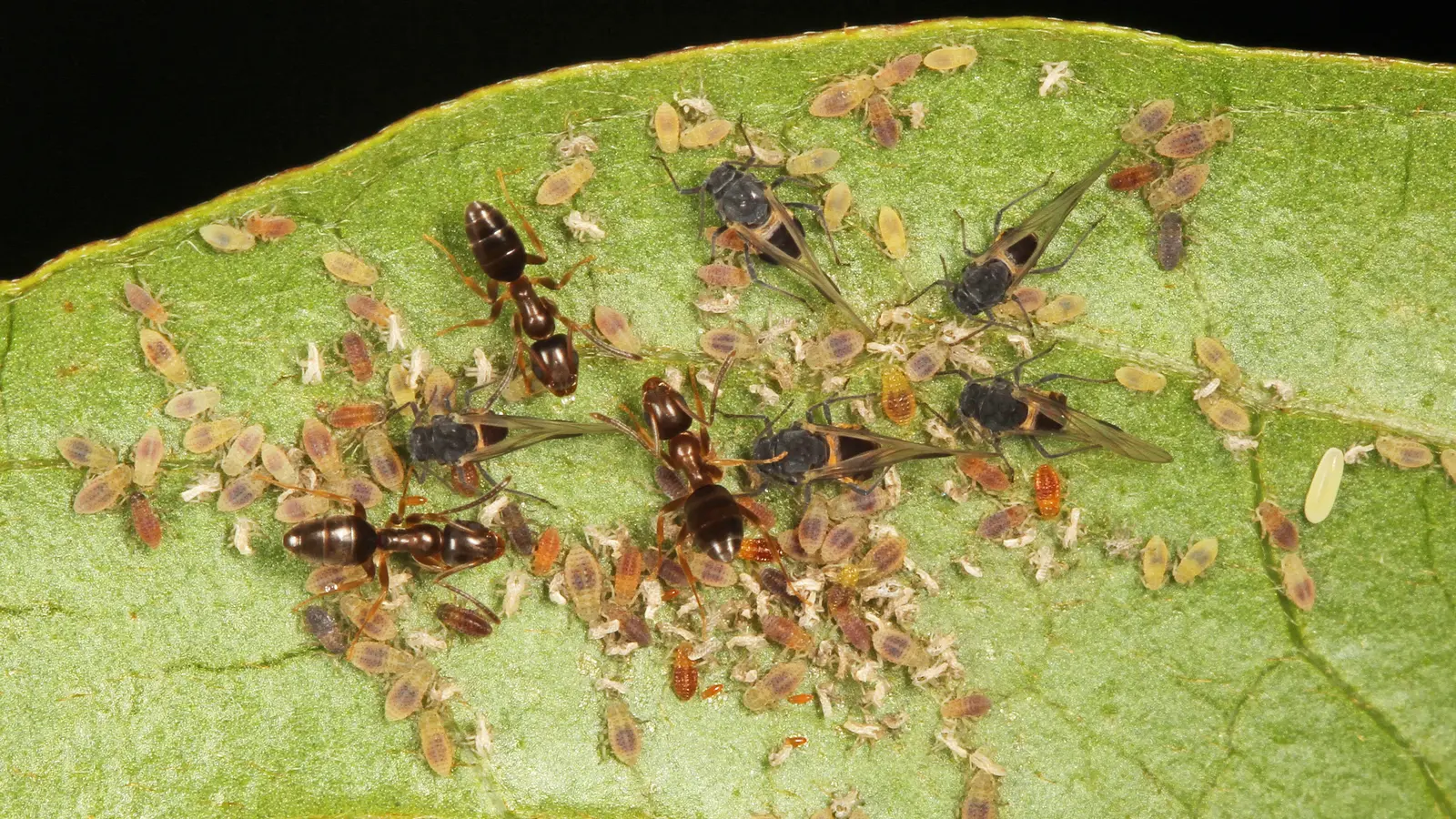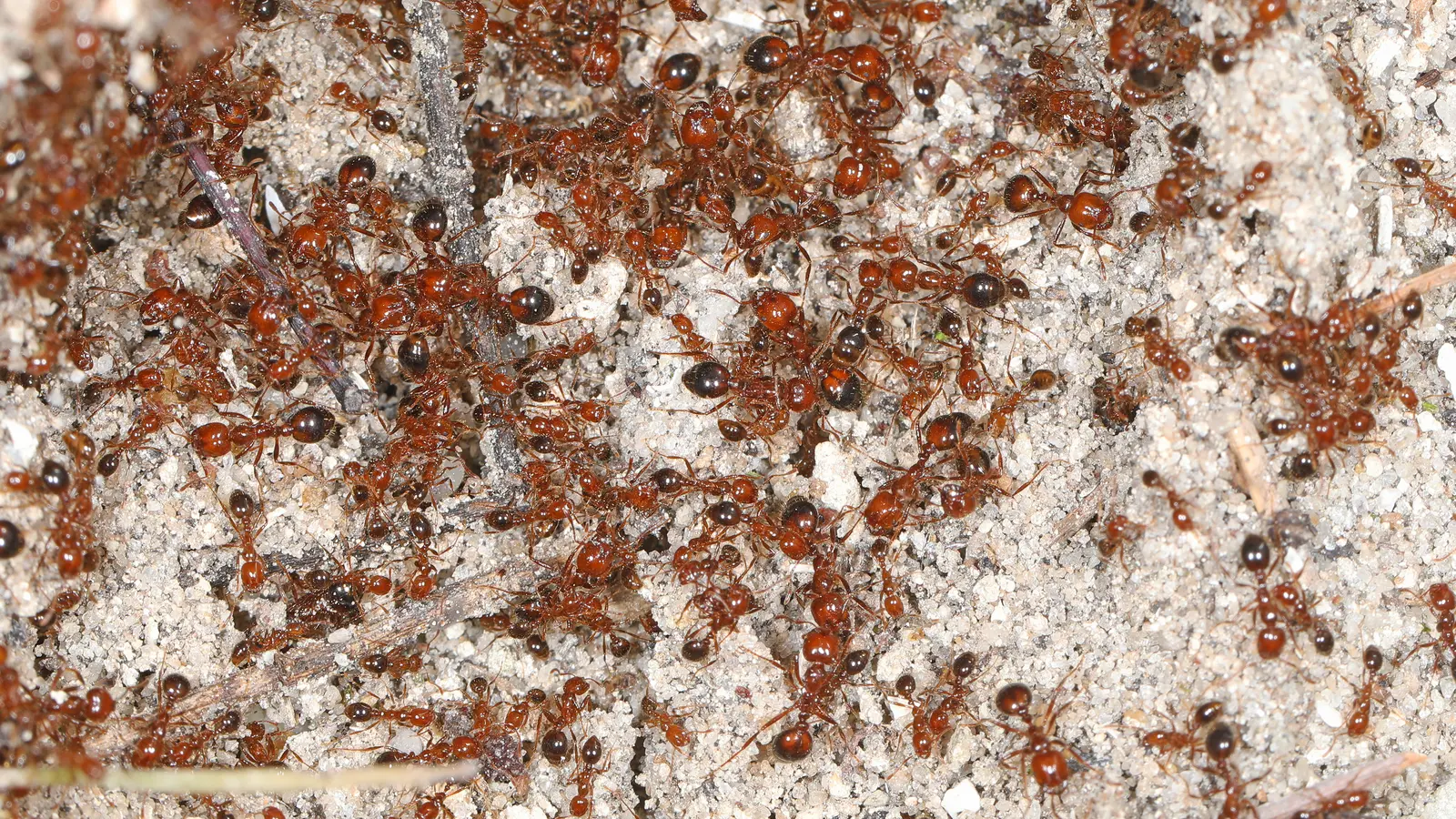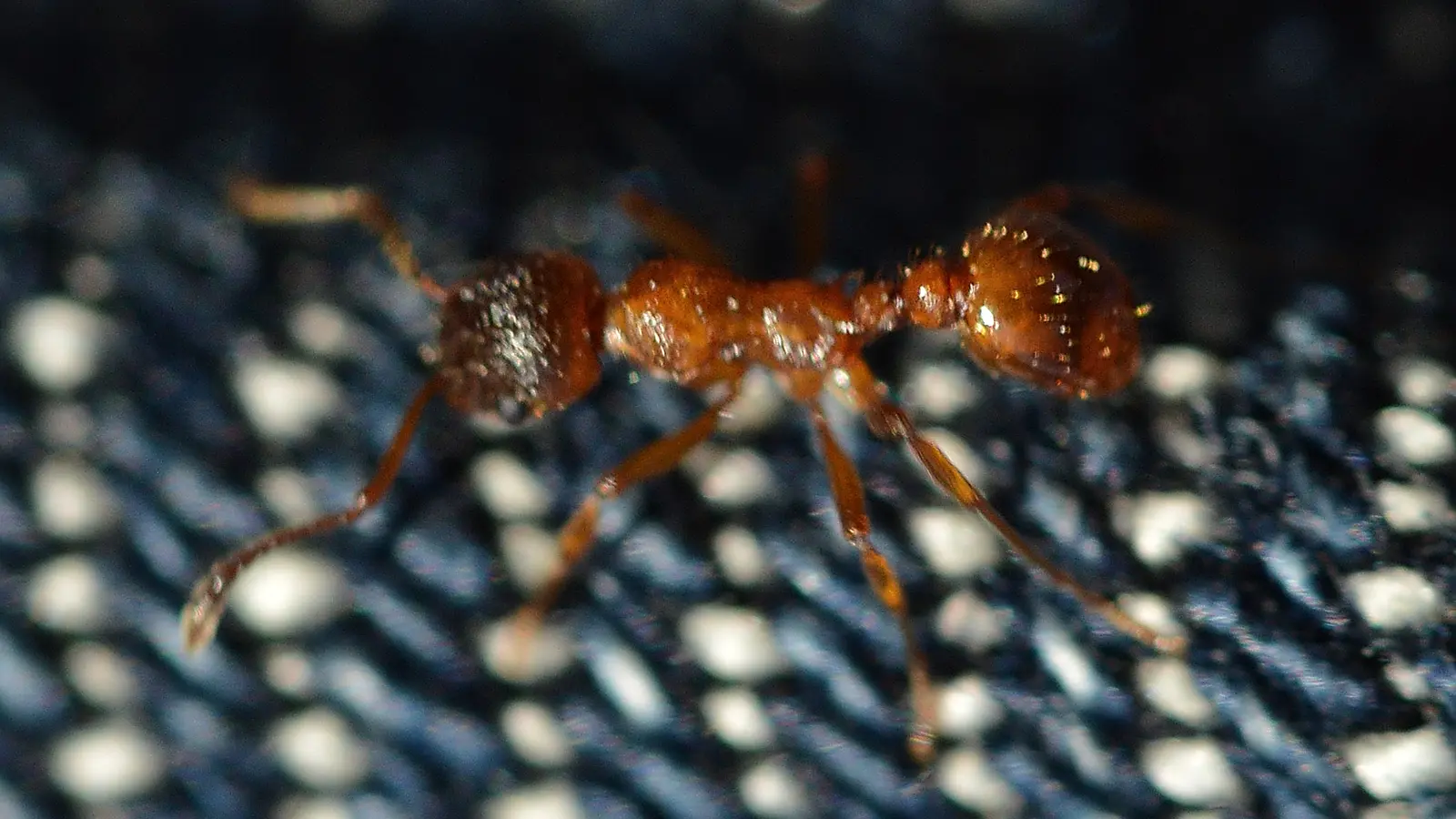
European Fire Ant
Myrmica rubra
Difficulty
beginnerRegion
Europe, introduced to northeastern North America
Queen Size
5โ6 mm
Worker Size
4โ5 mm
Colony Type
Polygynous, up to 10,000 workers (multi-queen)
Diet
Omnivore โ insects, sugar, honeydew
Temperature
20โ24 ยฐC (68โ75 ยฐF)
Humidity
60โ70%
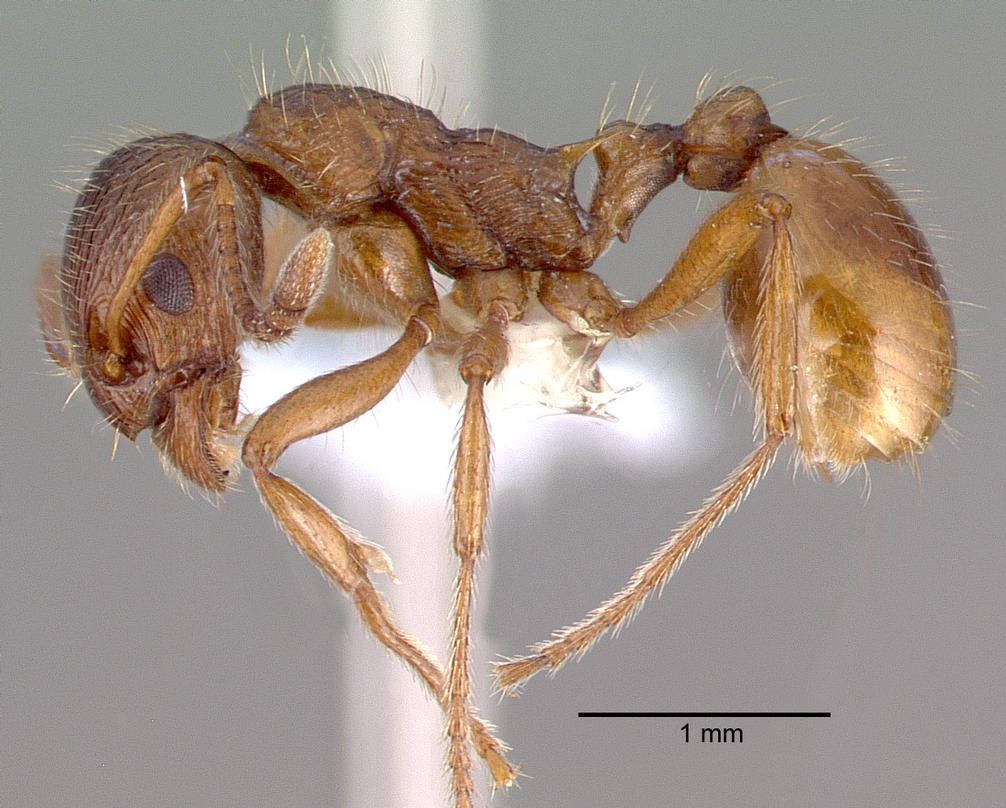
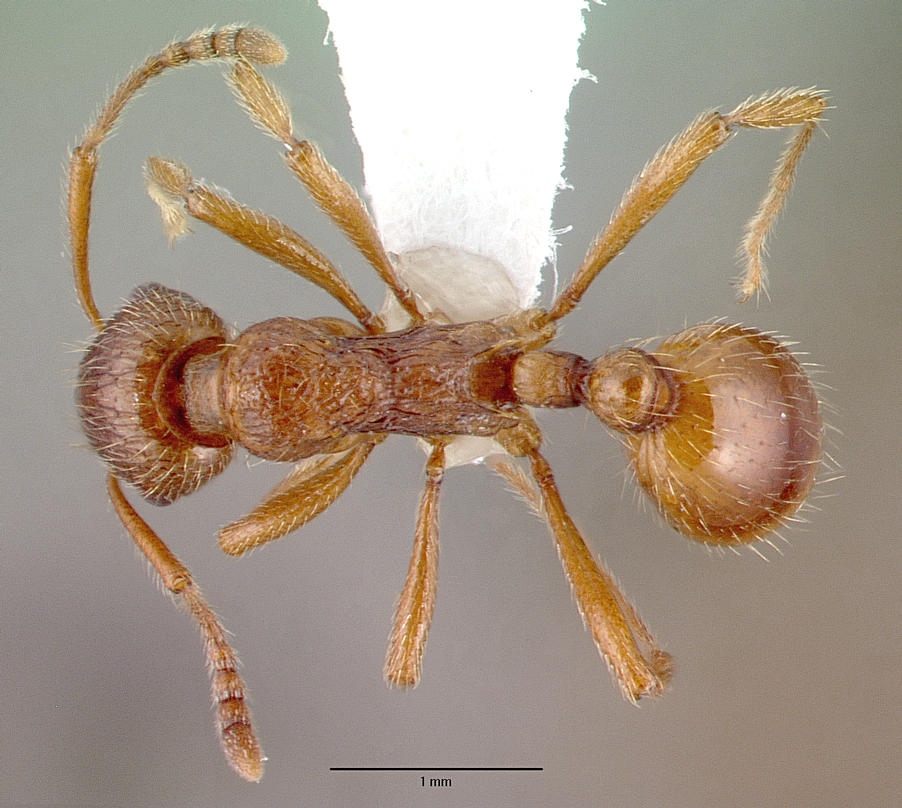
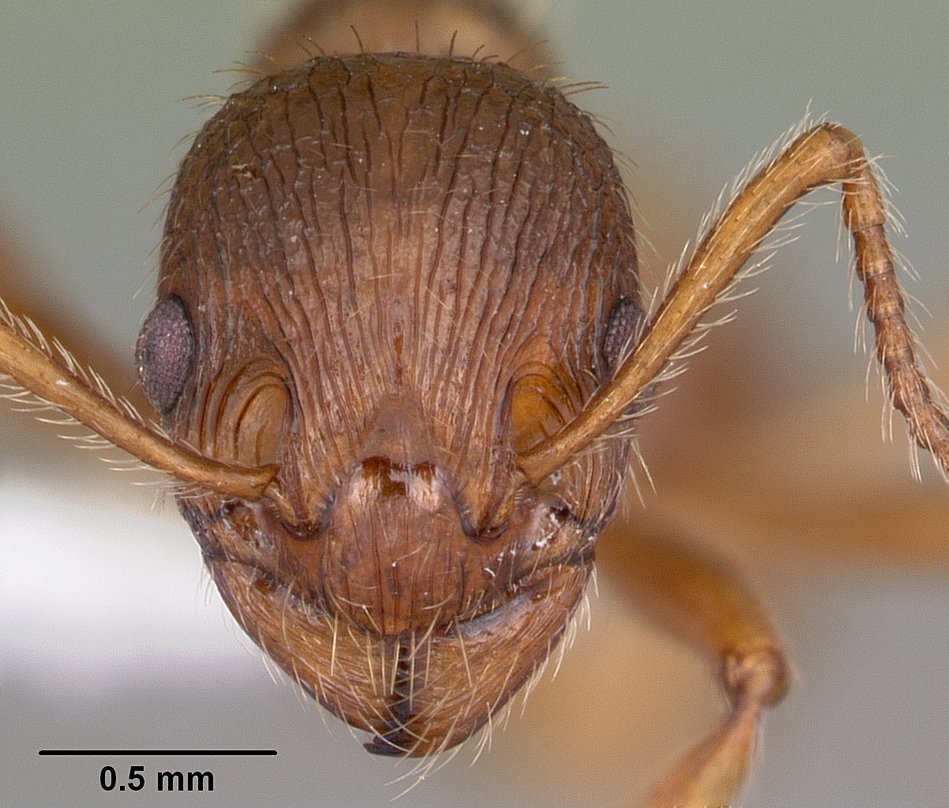
Specimen Photos
Myrmica rubra โ museum specimen

Lateral

Dorsal

Head
ยฉ AntWeb.org, California Academy of Sciences ยท CC BY-SA 3.0
Overview
Myrmica rubra, the European fire ant, is a small, reddish-brown ant native to Europe and now established as an invasive species in parts of northeastern North America and the Pacific Northwest. They are one of the few widely available polygynous (multi-queen) species suitable for beginners, making them uniquely appealing for keepers who want a fast-growing, multi-queen colony. *Be aware: Myrmica rubra can sting.* Their sting is mild โ comparable to a light nettle prick โ but it is a real sting delivered by a true stinger, not a bite. Handle with appropriate caution.
Queen & Colony
### Founding Method
Myrmica rubra queens are semi-claustral and must be fed during the founding stage. Queens do not have sufficient body reserves to raise their first brood without supplemental nutrition. Provide small protein and sugar offerings every 3โ4 days from the moment you set up the founding tube.
The major advantage of M. rubra is that it is naturally polygynous โ you can and should house multiple queens together from the start. A founding group of 2โ5 queens will raise brood significantly faster than a single queen, as they share nursing duties and pool their resources. Multi-queen founding groups virtually always succeed, making this one of the most reliable species to establish.
### Growth Timeline
Growth depends heavily on queen count:
- **Single queen, year 1:** 15โ30 workers.
- **3โ5 queens, year 1:** 50โ150 workers.
- **Year 2 (multi-queen):** 300โ1,000 workers.
- **Year 3 (multi-queen):** 1,000โ5,000 workers.
### Mature Size
Wild colonies with multiple queens can contain up to 10,000 workers, though they are often distributed across multiple nest sites in close proximity (polydomy). In captivity, large multi-queen colonies of 3,000โ5,000 workers are readily achievable.
Housing
### Test Tube Setup
Use a 12 mm or 16 mm test tube with water reservoir. For multi-queen founding, a 16 mm tube provides enough space for 3โ5 queens and their brood pile. Because Myrmica workers are small (4โ5 mm) and the queens are only slightly larger (5โ6 mm), ensure cotton plugs are packed tightly.
Since founding is semi-claustral, you will need to open the tube regularly to insert food. The connected-tube method works well: attach a small feeding tube to the founding tube with vinyl tubing, allowing you to add and remove food without disturbing the queens directly.
### Formicarium
Myrmica rubra is a moisture-loving species, and nest choice should reflect this. Transition to a formicarium at 30โ50 workers. Recommended setups:
- **Ytong nests (strongly recommended):** The porous material holds moisture superbly. Carve chambers 3โ4 mm tall with 2โ3 mm tunnels. Hydrate one side of the nest to create a strong moisture gradient โ *Myrmica* will cluster brood in the wettest area.
- **Plaster nests:** Good moisture retention. Pour dental plaster into a shallow container and carve chambers once semi-cured.
- **Soil nests:** Very naturalistic for this ground-dwelling species. A thin layer of moist soil between two panes of glass or acrylic allows observation of natural tunneling behavior.
Avoid fully dry setups โ Myrmica is a hygrophilic (moisture-loving) genus and will decline rapidly in dry conditions.
### Outworld
A standard fluon-coated outworld works well. M. rubra workers are moderate climbers but not as athletically persistent as Formica. Ensure barriers are maintained and all gaps sealed โ these are still small ants capable of finding tiny escape routes. Include a moist cotton ball or sponge in the outworld to supplement humidity.
Safety note: When performing outworld maintenance, be aware that disturbed workers will climb aggressively and can sting. Wearing thin nitrile gloves is recommended during cleaning and feeding, especially with larger colonies.
Recommended Supplies
Diet & Feeding
### Protein
Protein is critical for brood development, especially in multi-queen colonies that produce brood rapidly. M. rubra is an active predator in the wild and readily accepts:
- **Fruit flies:** Ideal size for small colonies. Offer live or freshly frozen.
- **Springtails:** A natural prey item. Excellent for small colonies if available.
- **Small mealworm pieces:** Cut into 2โ3 mm sections for easy handling by workers.
- **Hard-boiled egg yolk:** A small crumb is protein-rich and universally accepted.
- **Freeze-dried insects:** Convenient for consistent feeding schedules.
### Sugar
Offer sugar water (1:4 ratio) or diluted honey. Myrmica also accepts diluted maple syrup and commercial ant sugar solutions. Sugar should be available at all times during the active season.
### Frequency
- **Founding queens:** Protein every 3โ4 days, sugar every 3 days (semi-claustral โ feeding is mandatory).
- **Under 100 workers:** Protein every 2โ3 days, sugar always available.
- **100โ1,000 workers:** Protein daily or every other day, sugar always available.
- **1,000+ workers:** Protein daily (multiple feeding stations), sugar always available.
Multi-queen colonies consume significantly more food than single-queen colonies of the same size due to higher brood production rates. Budget accordingly.
### Water
Maintain a constant water source. Myrmica workers drink frequently โ more so than many other genera due to their preference for moist conditions. A cotton-plugged water tube and a damp sponge in the outworld together provide reliable hydration.
Feeding Supplies
Temperature & Humidity
### Optimal Ranges
- **Active season:** 20โ24 ยฐC (68โ75 ยฐF). Notably cooler than *Camponotus* or *Tetramorium*. *Myrmica* is a temperate to boreal genus adapted to cool, moist environments.
- **Nest humidity:** 60โ70%. This is the most moisture-dependent species on this list.
### Heating
Supplemental heating is rarely needed and can be counterproductive. M. rubra prefers cool conditions โ temperatures above 26 ยฐC cause stress, reduced brood care, and increased worker mortality. If your home is warm in summer, place the colony in the coolest room available. Do not use heat mats unless your ambient temperature is below 18 ยฐC.
### Humidity Management
This is the single most important care parameter for Myrmica rubra. Maintain high nest humidity by:
- Hydrating Ytong or plaster nests every 3โ5 days. The wet zone should be visibly damp.
- Placing a moist sponge or cotton pad in the outworld.
- Misting the outworld lightly with a spray bottle every 2โ3 days.
Signs of insufficient humidity: workers carry brood to the outworld water source (they are seeking moisture), larvae appear shrunken or translucent, and pupae fail to eclose.
Signs of excessive humidity: standing water in chambers, mold growth, and workers frantically moving brood away from flooded areas.
Climate Supplies
Hibernation / Diapause
### Required?
Yes โ hibernation is essential. Myrmica rubra is native to northern Europe and adapted to cold, wet winters. Without proper hibernation, queens reduce or cease egg production, worker lifespan shortens, and colonies slowly die off.
### Duration
4โ5 months, November through March. Myrmica species are adapted to long, cold winters and tolerate extended hibernation without difficulty.
### Temperature Range
3โ8 ยฐC (37โ46 ยฐF). This species handles cold well. A wine cooler set to 5 ยฐC is ideal. Refrigerators at 4โ5 ยฐC work but require weekly monitoring to ensure the nest does not dry out. Garages and sheds that remain above freezing are also suitable.
### Preparation
- In October, the colony will naturally slow down. Brood production ceases and workers become less active.
- Reduce feeding gradually over 2 weeks.
- Offer a final large protein and sugar meal.
- **Critical: Ensure the nest is well hydrated.** *Myrmica* is extremely sensitive to desiccation during hibernation. Top off all water reservoirs completely.
- Move to a transitional cool area (10โ15 ยฐC) for one week.
- Transfer to hibernation storage. Check humidity every 2 weeks โ add water as needed.
### Waking
In March, warm gradually over 1โ2 weeks. Move from cold storage to a cool room (10โ15 ยฐC), then to room temperature over 7โ10 days. Offer sugar water and moist cotton immediately. Provide protein within 24 hours. Queens resume laying within 1โ3 weeks. Multi-queen colonies bounce back from hibernation faster than single-queen colonies.
Nuptial Flight
### Season & Conditions
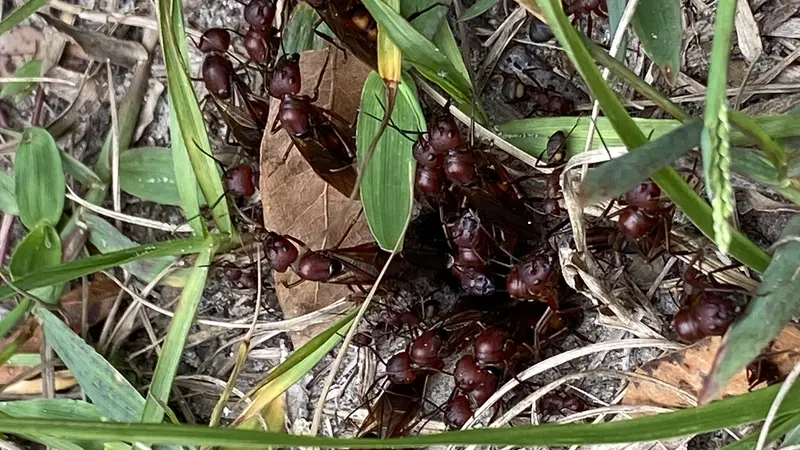
M. rubra flights occur from August through September, making them one of the latest-flying species in the temperate ant keeping hobby. Flights launch on warm, calm afternoons with temperatures of 20โ25 ยฐC and high humidity. In Europe, flights peak in late August to early September. In northeastern North America (where the species is invasive), timing is similar.
### Catching Queens
Myrmica queens are small (5โ6 mm) and easy to overlook. After flights, look for:
- Wingless queens walking on moist ground, leaf litter, and low vegetation near known colonies.
- Queens sheltering under stones, bark, and debris. Turn over objects in moist meadows and woodland edges.
- Multiple queens near the same site โ *Myrmica* colonies are naturally polygynous, and queens from the same colony often mate and land near each other.
Alternatively, in late summer and early fall, carefully excavate shallow Myrmica nests under stones to collect mated queens with brood and workers. This "colony split" method is very effective for establishing captive colonies and bypasses the semi-claustral founding stage entirely.
### Post-Flight Tips
- House queens in groups of 2โ5 for polygynous founding. More queens means faster colony establishment.
- Set up test tubes with water reservoirs and begin feeding immediately (semi-claustral).
- Feed protein (fruit fly or egg yolk crumb) and sugar (diluted honey) every 3โ4 days.
- First workers appear in 6โ8 weeks.
- **Do not release into the wild in North America.** *M. rubra* is invasive in northeastern North America and is regulated in some regions.
Common Issues
### Stinging
This species stings. The sting is mild โ most people compare it to a brief prickling sensation or a light nettle sting โ but it can be surprising if you are not expecting it. Sensitive individuals may develop a small welt. Precautions:
- Wear thin nitrile gloves when performing nest maintenance or handling the outworld.
- Do not blow on the colony โ CO2 triggers defensive stinging behavior.
- Escaped workers will sting if they climb on bare skin. Check hands and arms after maintenance.
- The sting is not dangerous for most people, but if you know you have allergies to insect stings, exercise extra caution.
### Desiccation
The most common cause of colony decline. Myrmica is the most humidity-sensitive genus commonly kept by beginners. Signs of dehydration develop faster than with other species. Maintain vigilant hydration schedules, especially during warm weather and hibernation.
### Slow Single-Queen Founding
Single M. rubra queens sometimes fail to found successfully because they deplete their limited body reserves before nanitics arrive. This is why multi-queen founding is strongly recommended. If you only have one queen, feed protein more frequently (every 2โ3 days) and keep humidity high.
### Mites
Grain mites can infest Myrmica nests due to the high humidity these ants require. The warm, moist conditions that suit Myrmica also suit mites. Prevention: remove uneaten food within 12 hours, avoid overfeeding, and maintain airflow in the outworld. If mites establish, transfer the colony to a clean nest.
### Invasive Species Concerns
In North America, M. rubra is an established invasive species in parts of New England, the Great Lakes region, and the Pacific Northwest. Do not release queens, workers, or brood into the wild in North America. If your colony dies or you want to rehome it, euthanize the ants humanely (freeze the nest for 48 hours) rather than releasing them outdoors. Check local regulations regarding keeping invasive species.
Tips for Success
- **Go multi-queen from the start.** This is *M. rubra*'s greatest strength as a captive species. A founding group of 3โ5 queens produces workers rapidly and is far more resilient than a single queen. You will have a robust, active colony months sooner than with single-queen species.
2. Prioritize humidity above all else. If you keep only one care parameter perfect, make it humidity. A Ytong nest hydrated on a strict schedule, combined with a damp sponge in the outworld, covers 80% of what this species needs to thrive.
3. Keep it cool. Resist the temptation to use heat mats. Myrmica is a cool-climate genus, and temperatures above 26 ยฐC cause more harm than good. Room temperature of 20โ22 ยฐC is ideal for most of the year.
4. Feed semi-claustral queens religiously. Set a calendar reminder to feed founding queens every 3โ4 days. A missed feeding during the critical founding period can mean the difference between a thriving colony and a dead queen.
5. Respect the sting. It is mild but real. Gloves during maintenance become second nature quickly, and you will avoid unpleasant surprises when workers inevitably climb onto your hands during outworld cleaning.
Track Your Colonies with Track Ants
Log feedings, track milestones, sync photos to the cloud, and get nuptial flight alerts โ all in one app built for ant keepers.
Free to download. Premium features available.