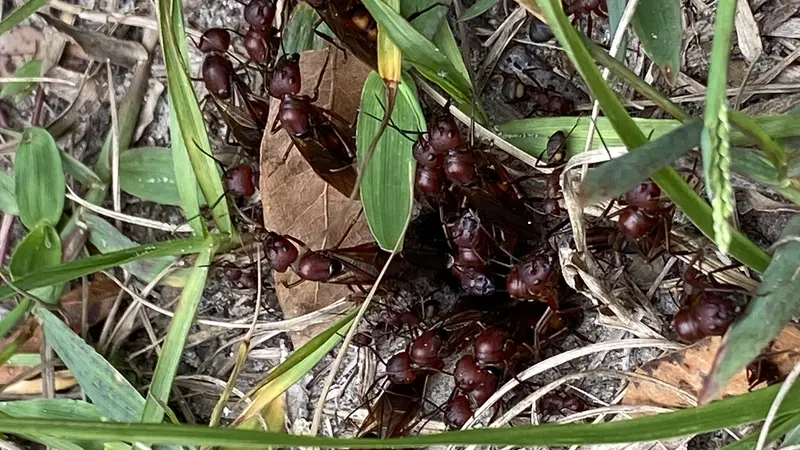
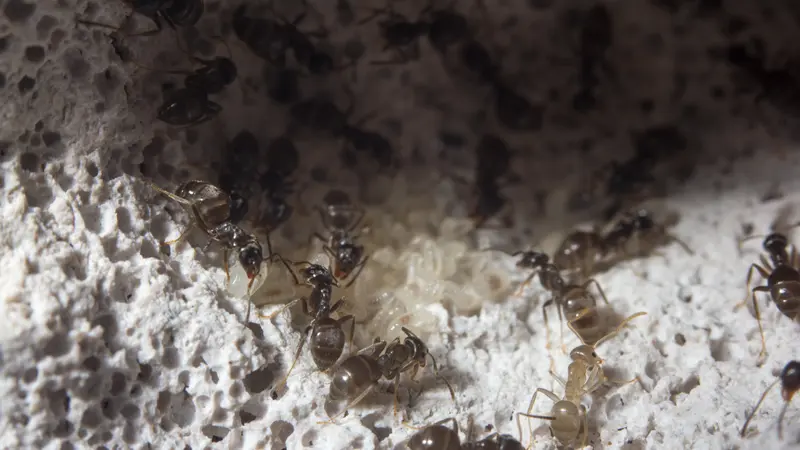
Eastern Black Carpenter Ant
Camponotus pennsylvanicus
Difficulty
beginnerRegion
North America
Queen Size
15โ17 mm
Worker Size
6โ13 mm (polymorphic)
Colony Type
Monogynous, 3,000โ4,000+ workers at maturity
Diet
Omnivore โ insects, honey, sugar water
Temperature
24โ28 ยฐC (75โ82 ยฐF)
Humidity
50โ70%
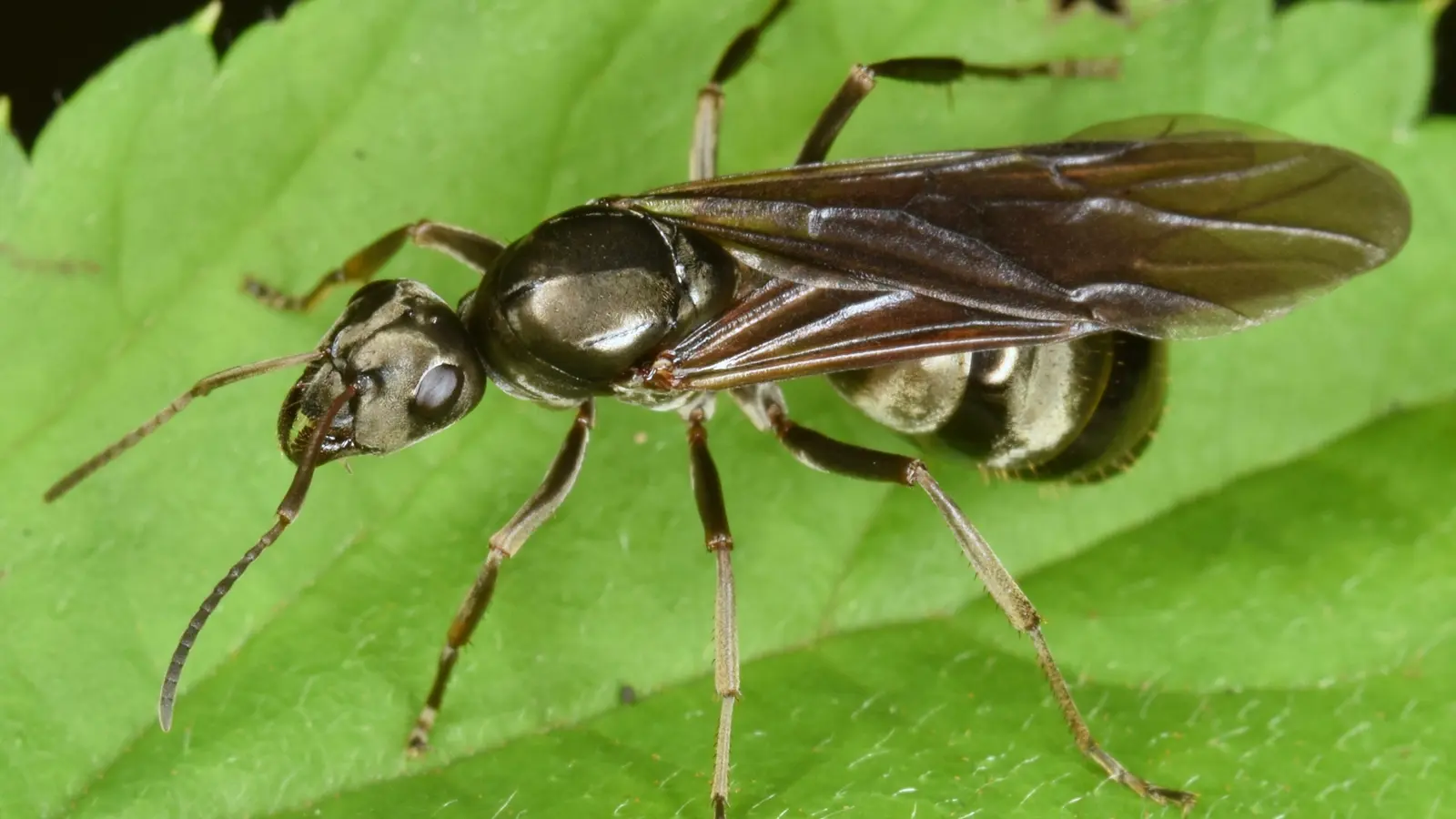
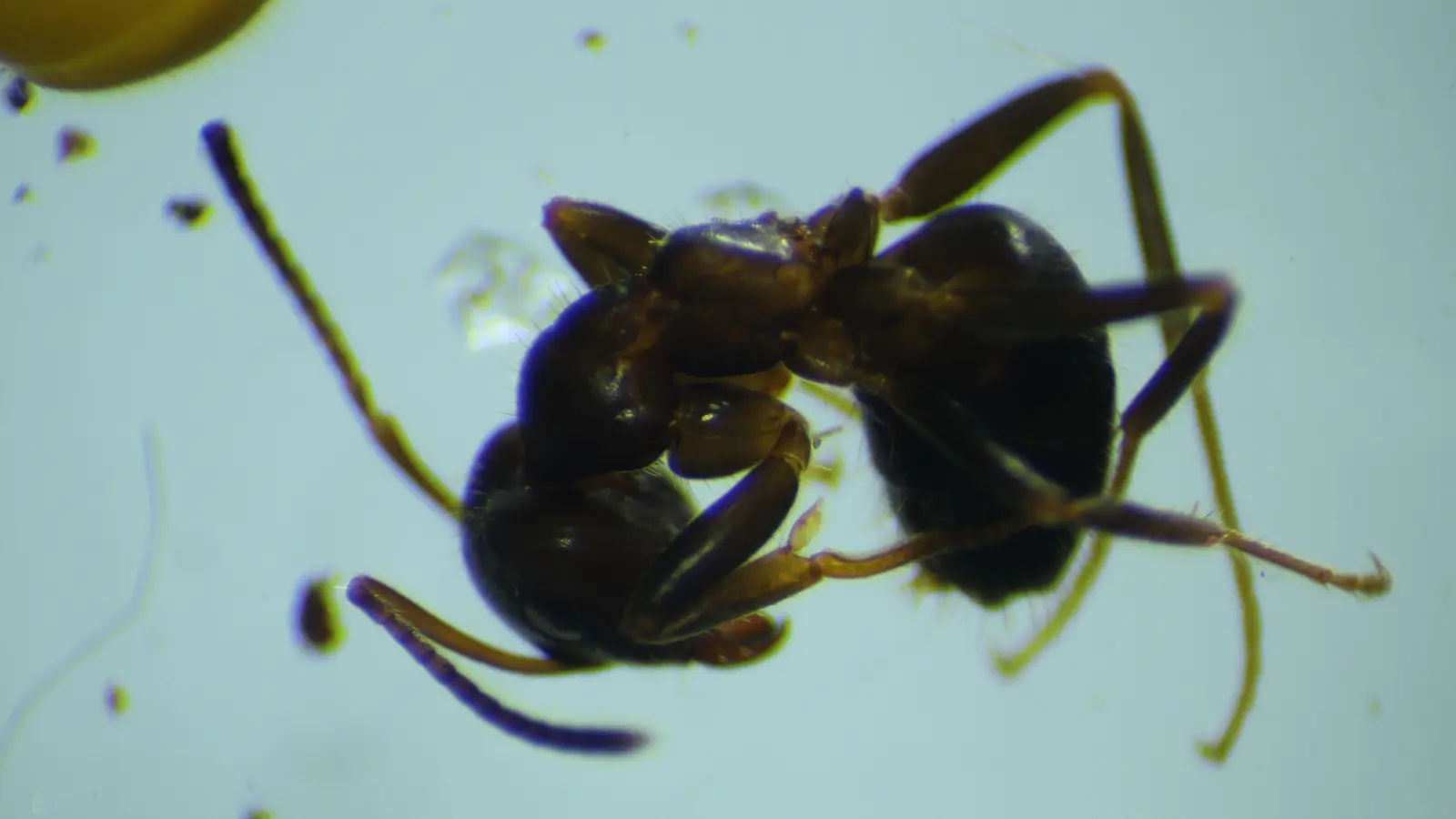
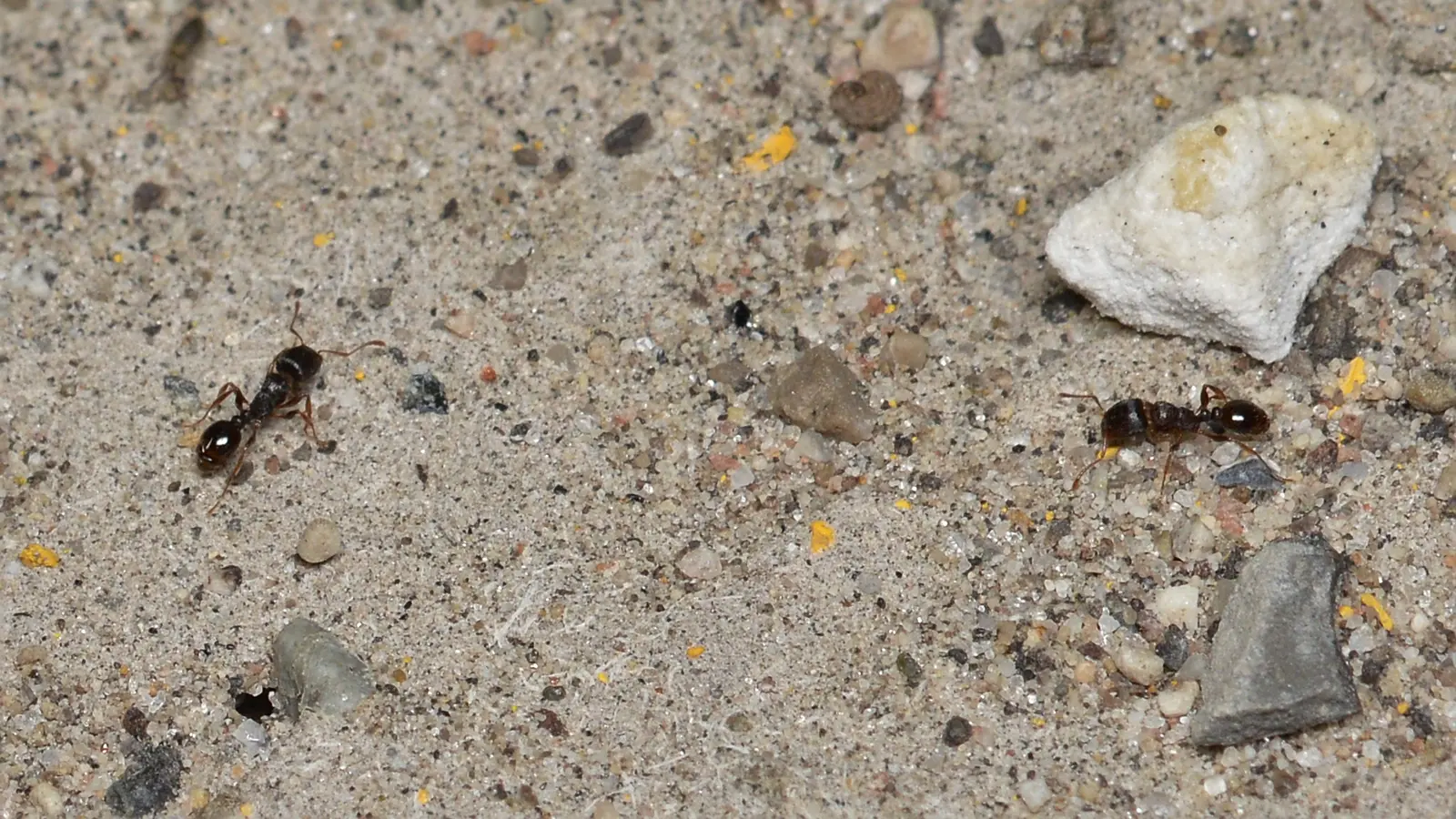
Specimen Photos
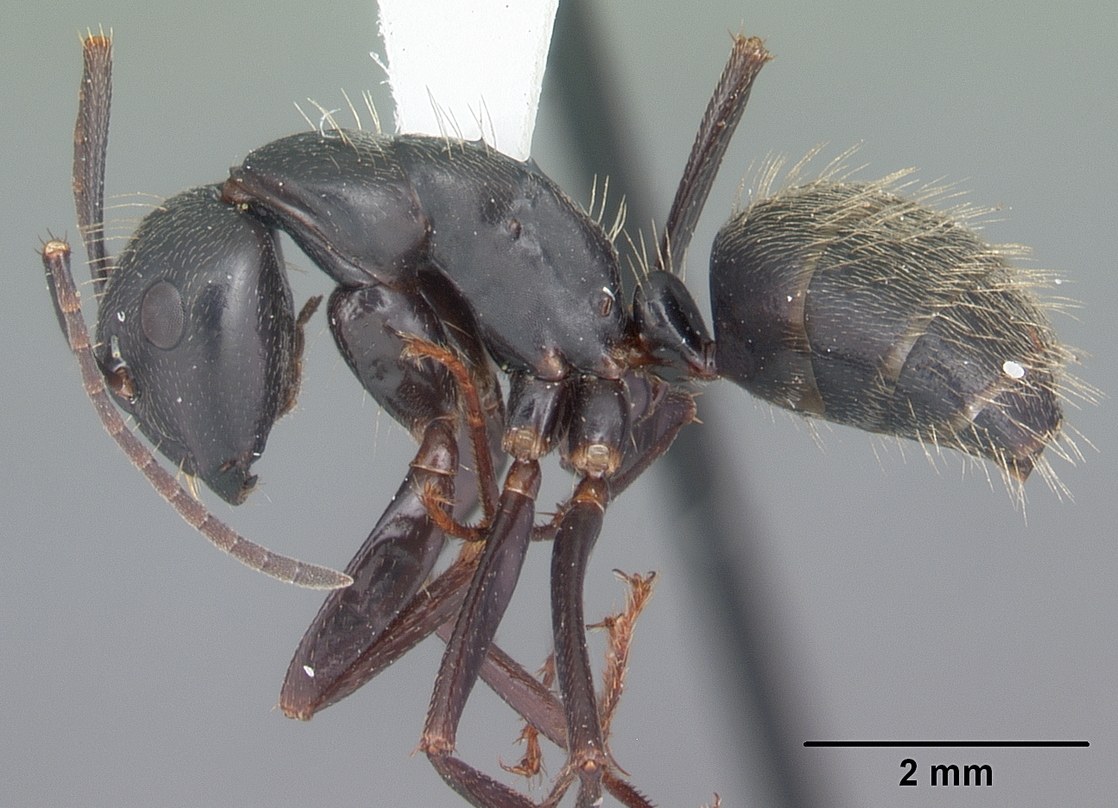
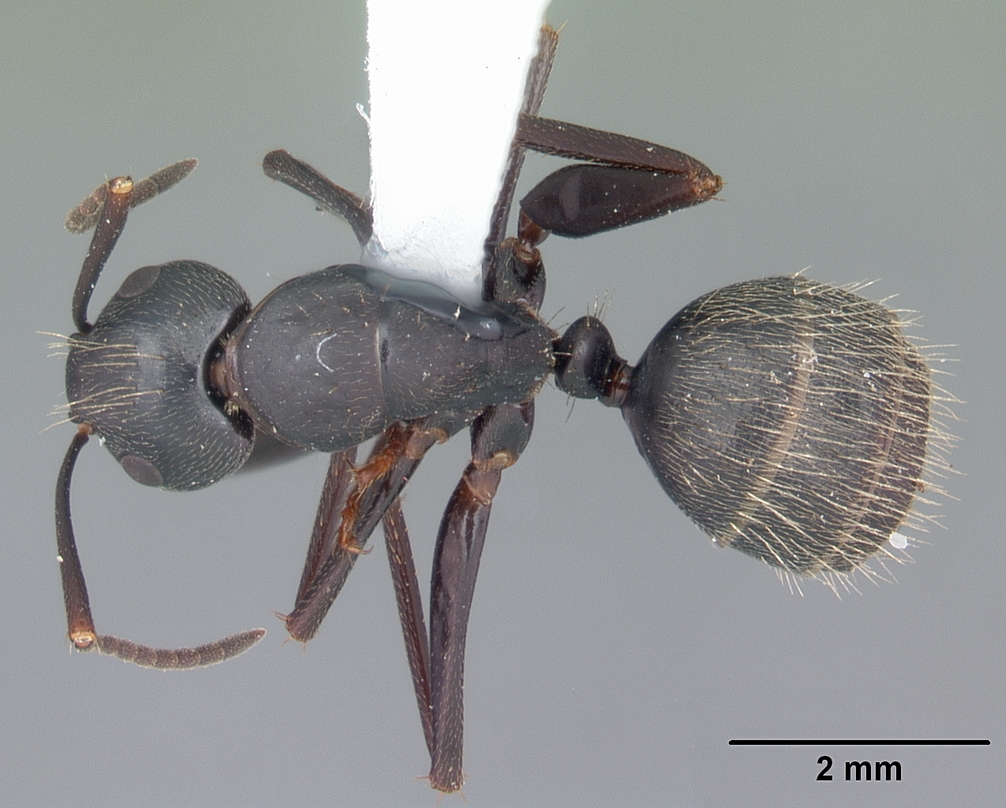
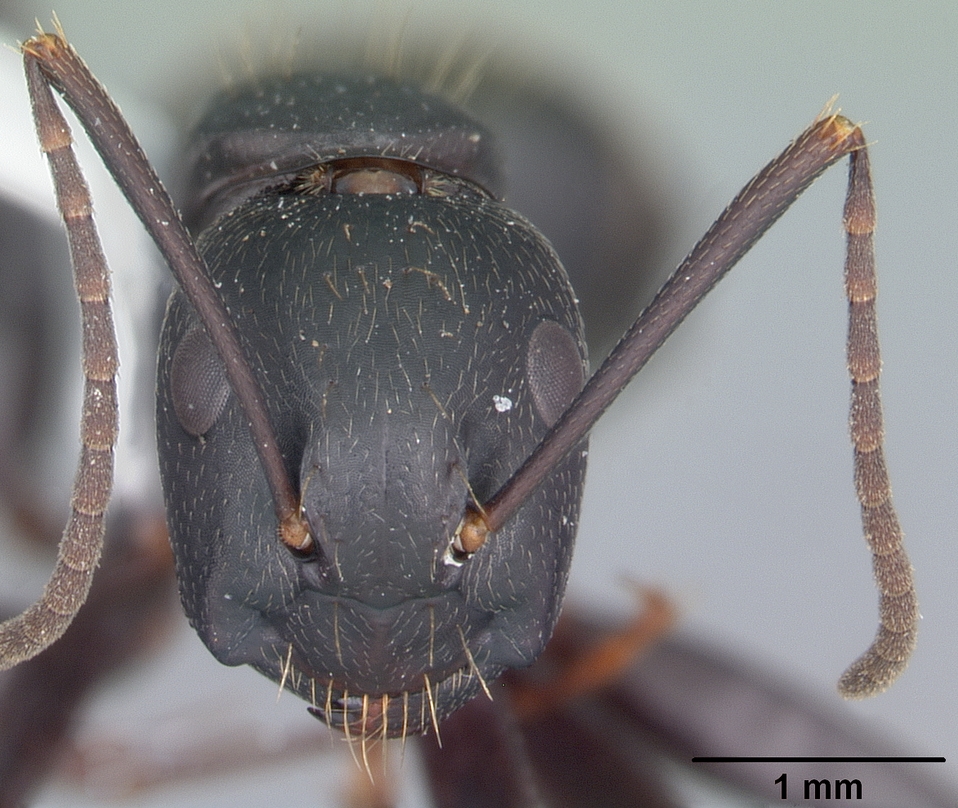
Camponotus pennsylvanicus โ museum specimen

Lateral

Dorsal

Head
ยฉ AntWeb.org, California Academy of Sciences ยท CC BY-SA 3.0
Overview
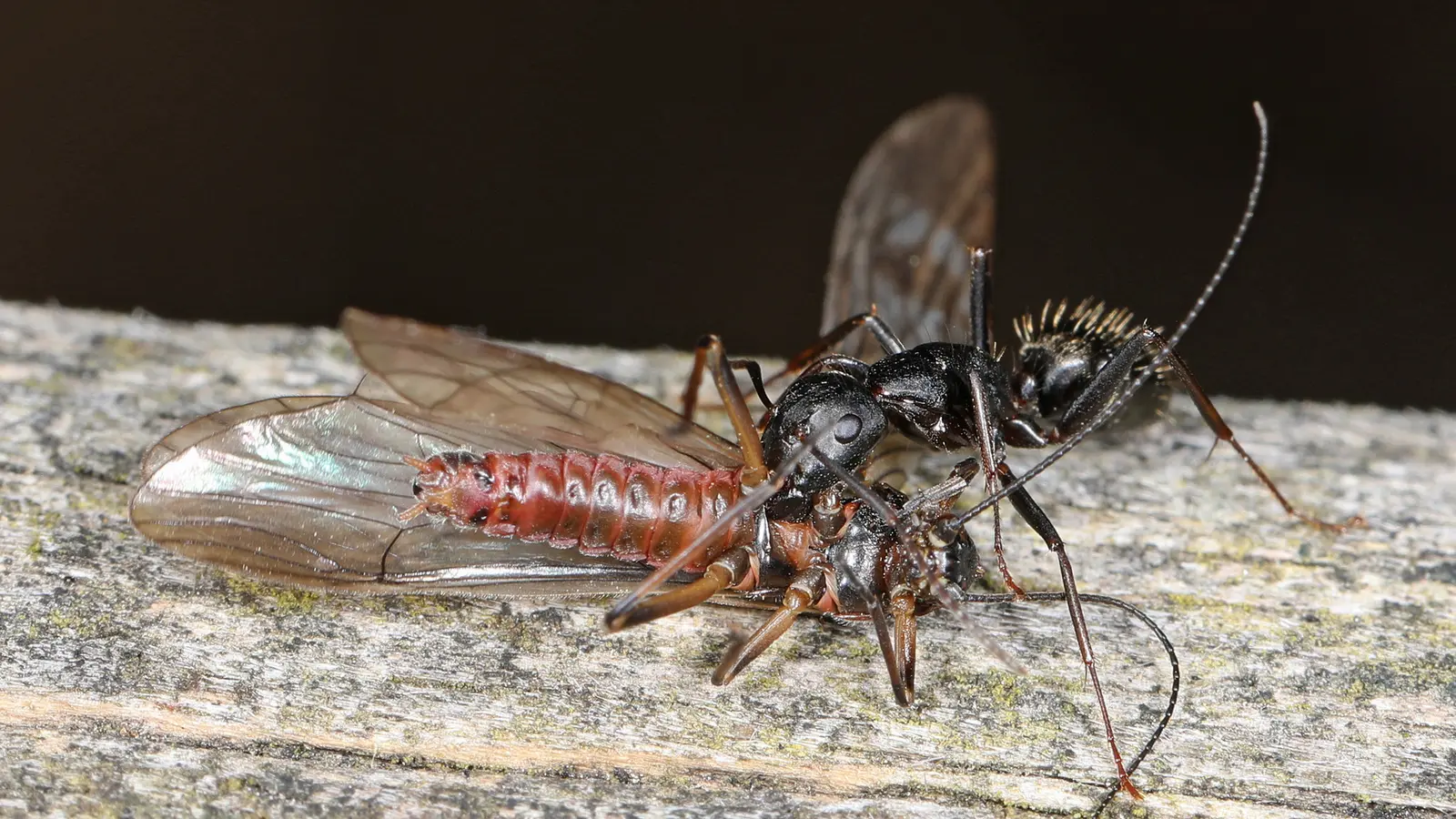
Camponotus pennsylvanicus is the largest common ant species in eastern North America and one of the most popular species for beginner ant keepers. Queens are impressive at 15โ17 mm, and mature colonies produce dramatically polymorphic workers ranging from tiny 6 mm minors to burly 13 mm majors with broad heads. Their fully claustral founding, hardy constitution, and tolerance of minor care mistakes make them an excellent first species, though keepers must commit to a proper winter hibernation period each year.
Queen & Colony
### Founding Method
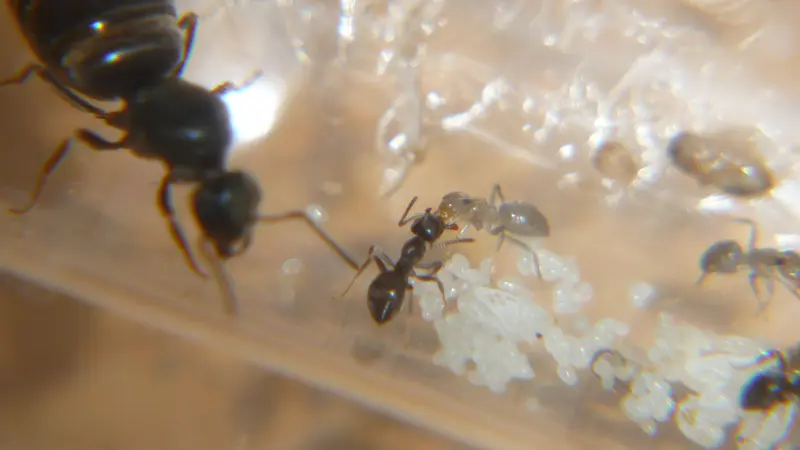
C. pennsylvanicus queens are fully claustral, meaning a newly mated queen seals herself into a chamber and raises her first brood entirely from stored body reserves. No feeding is required โ or recommended โ during the founding stage. Place the queen in a standard test tube setup (described below) and leave her in a dark, quiet location at room temperature (22โ25 ยฐC). Avoid vibrations, light exposure, and the temptation to check on her constantly. The first workers (nanitics) typically eclose in 8โ10 weeks.
### Growth Timeline
First-year growth is slow. Expect 5โ15 workers by the end of the first active season. This is normal for Camponotus โ do not be discouraged. Growth accelerates in the second year as the queen has more workers to feed her. By year three, colonies of 100โ300 workers begin producing polymorphic majors, which is one of the most rewarding milestones in ant keeping.
### Mature Size
Well-maintained colonies can exceed 3,000โ4,000 workers after 5โ8 years. In the wild, colonies may reach 10,000+ workers in old satellite nests within wood, but captive colonies rarely hit those numbers due to space constraints.
Housing
### Test Tube Setup
Start with a standard test tube setup: a 16 mm ร 150 mm glass test tube filled one-third with water, plugged with a cotton ball to create a reservoir, then a dry cotton ball at the open end after the queen is inside. This provides the humidity and hydration the queen needs during founding. Keep the tube in darkness โ wrap it in aluminum foil or place it inside a drawer.
### Formicarium
Once the colony reaches 20โ30 workers, move them into a small formicarium. Ytong (autoclaved aerated concrete) nests work exceptionally well for Camponotus because the material wicks water and maintains a humidity gradient. A nest with 5โ10 chambers is sufficient for the first 1โ2 years. Acrylic nests with built-in hydration chambers also work well.
Because carpenter ants are large, ensure nest tunnels are at least 5โ6 mm wide and chambers are 8โ10 mm tall. Cramped nests cause stress and can injure majors. As the colony grows past 200 workers, upgrade to a larger Ytong block or a modular acrylic setup with multiple connected units.
### Outworld
Provide a foraging area (outworld) connected to the nest by vinyl tubing. A simple plastic container with fluon or PTFE barrier on the walls works well. Include a small water dish (a soaked cotton ball in a bottle cap prevents drowning) and feeding stations. Carpenter ants are strong and clever โ apply fluon at least 3 cm wide and reapply every 4โ6 weeks, as it degrades with dust and humidity.
Recommended Supplies
Diet & Feeding
### Protein
Protein is essential for brood development. Offer freshly killed insects 2โ3 times per week: fruit flies, small mealworms (cut in half for small colonies), crickets (legs removed), or dubia roach nymphs. Frozen and thawed insects from pet stores work if live feeders are unavailable. Remove uneaten protein within 24 hours to prevent mold.
### Sugar
Sugar fuels adult worker activity. Offer sugar water (1:3 to 1:4 sugar-to-water ratio) or raw honey diluted in water on a small dish or soaked cotton ball. Sugar should be available at all times or refreshed every 2โ3 days. Many keepers also offer maple syrup or commercial ant nectar.
### Frequency
- **Small colonies (under 50 workers):** 1 protein feeding every 3โ4 days, sugar water always available.
- **Medium colonies (50โ500 workers):** 2โ3 protein feedings per week, sugar water always available.
- **Large colonies (500+):** Daily or near-daily protein and sugar.
### Water
Maintain a constant water source in the outworld. A cotton-plugged water tower (inverted test tube with cotton at the opening) is the most reliable method and prevents drowning.
Feeding Supplies
Temperature & Humidity
### Optimal Ranges
- **Active season:** 24โ28 ยฐC (75โ82 ยฐF) during the day, dropping to 20โ22 ยฐC at night is fine.
- **Humidity:** 50โ70% in the nest. The dry side of the nest should be around 50%, the wet side near the hydration source around 65โ70%.
### Heating
A small heat mat placed under one end of the nest creates a useful temperature gradient. Never heat the entire nest uniformly โ the ants need cooler areas to retreat to. A heat cable running under the outworld is another effective option. Use a thermostat to prevent overheating.
### Humidity Management
Ytong nests are hydrated by adding water to a reservoir channel or directly to one side of the nest block. Add water slowly with a syringe until the stone visibly darkens partway across. For acrylic nests, fill the built-in water tower. Monitor with a small hygrometer if your setup allows it. Overwatering causes mold; underwatering causes brood desiccation.
Climate Supplies
Hibernation / Diapause
### Required?
Yes โ hibernation is mandatory. C. pennsylvanicus is a temperate species and will decline in health and brood production without a proper cold dormancy period. Skipping hibernation leads to stressed queens, reduced egg laying, and shortened colony lifespan.
### Duration
4โ5 months, typically November through March. Aim for at least 12 weeks of sustained cold.
### Temperature Range
5โ10 ยฐC (41โ50 ยฐF). A wine cooler, garage, or unheated basement works well. A standard refrigerator (around 4 ยฐC) is slightly too cold for extended periods but can work for shorter hibernations if monitored carefully.
### Preparation
- Begin reducing temperature gradually in late October โ move the colony to a cooler room (15โ18 ยฐC) for 1โ2 weeks.
- Offer a large sugar and protein meal before cooling.
- Remove the outworld and seal the nest entrance with cotton. Ensure the water reservoir in the test tube or nest is fully topped off.
- Move to the hibernation location and check monthly that water has not dried out. Do not disturb them otherwise.
### Waking
In late February or March, reverse the process: move the colony to a cool room (15โ18 ยฐC) for one week, then to room temperature. Offer sugar water immediately and protein within 24 hours. The queen typically resumes egg laying within 1โ2 weeks of warming.
Nuptial Flight
### Season & Conditions
Nuptial flights occur from May through July across most of eastern North America, with peak activity in late May and June. Flights typically launch in the evening (6โ9 PM) following a warm, humid day โ often after a rain event when temperatures are 22โ28 ยฐC and winds are calm.
### Catching Queens
After mating, queens land and shed their wings. Look for large (15โ17 mm), wingless queens walking purposefully on sidewalks, driveways, and near street lights in the hours after a flight. They are noticeably larger than any workers. Gently scoop them into a small container and transfer to a test tube setup as soon as possible.
### Post-Flight Tips
- Do not house multiple queens together โ *C. pennsylvanicus* is strictly monogynous and queens will fight to the death.
- Place the test tube in a dark, undisturbed location at 22โ25 ยฐC.
- Do not feed the queen. She is claustral and will use her wing muscle reserves to nourish the first brood.
- Expect eggs within 1โ2 weeks, larvae in another 2โ3 weeks, and nanitics in 8โ10 weeks total.
Common Issues
### Mites
Grain mites can appear if protein foods are left too long or humidity is excessive. Remove uneaten food within 24 hours and maintain good ventilation. If mites appear, move the colony to a clean nest and reduce humidity slightly.
### Mold
Mold in test tubes is the most common founding-stage problem. If mold appears near the cotton or water reservoir, transfer the queen to a fresh test tube. Minimize organic material inside the tube โ do not add food directly into the founding tube unless the queen is semi-claustral (she is not).
### Escapes
Carpenter ants are strong and can push through poorly secured cotton plugs. Use tightly packed cotton and apply fluon or PTFE on the test tube opening. For formicaria, ensure all tubing connections are secure and barriers are maintained.
### Stress Signs
Workers clustering at the entrance and refusing to forage can indicate overheating, underhydration, or excessive vibration. Queens that repeatedly produce eggs but no larvae may be too cold or nutritionally depleted (more common post-hibernation โ ensure adequate feeding).
Tips for Success
- **Patience is key.** First-year *Camponotus* growth is slow. Resist the urge to interfere with the founding queen or upgrade housing too early. Let the colony reach at least 20โ30 workers before moving to a formicarium.
2. Commit to hibernation. A wine cooler set to 8 ยฐC is the single best investment for keeping North American temperate species. Skipping or shortening hibernation leads to long-term colony decline.
3. Keep a feeding schedule. These ants are not aggressive foragers, and small colonies may ignore food if it is offered sporadically. Consistency trains workers to forage predictably.
4. Provide a humidity gradient. One side of the nest should be moist, the other dry. This lets the queen and workers move brood to their preferred microclimate, which dramatically improves brood survival.
5. Red light for observation. Camponotus are sensitive to white light. Use a red LED headlamp or red film over the nest when you want to observe them without causing stress.
Track Your Colonies with Track Ants
Log feedings, track milestones, sync photos to the cloud, and get nuptial flight alerts โ all in one app built for ant keepers.
Free to download. Premium features available.