Big-Headed Ant
Pheidole megacephala
Difficulty
intermediateRegion
Tropical / Global (invasive)
Queen Size
5-6mm
Worker Size
1.5-2mm (minor), 3.5-4.5mm (major)
Colony Type
polygynous
Diet
omnivore
Temperature
24-28°C (75-82°F)
Humidity
60-70%
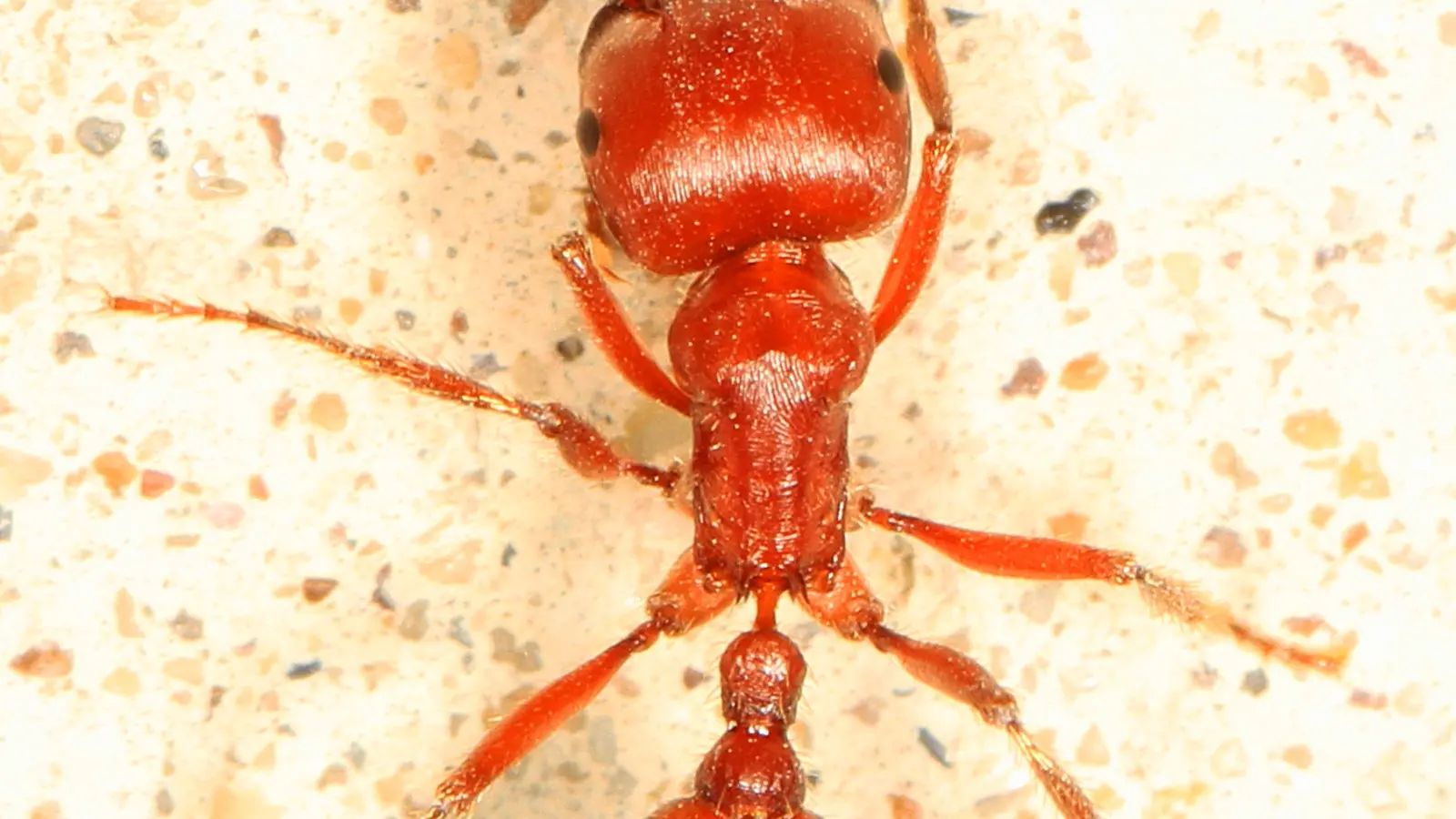
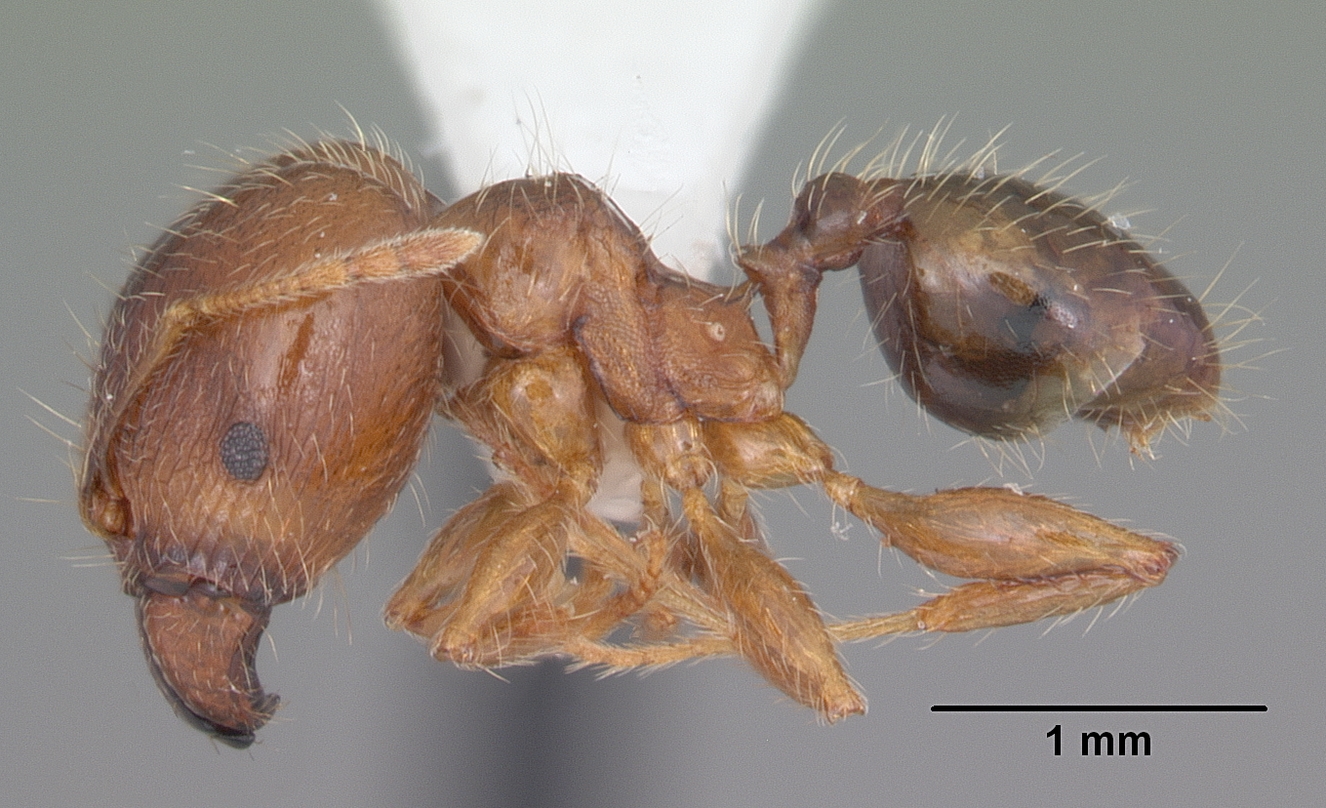
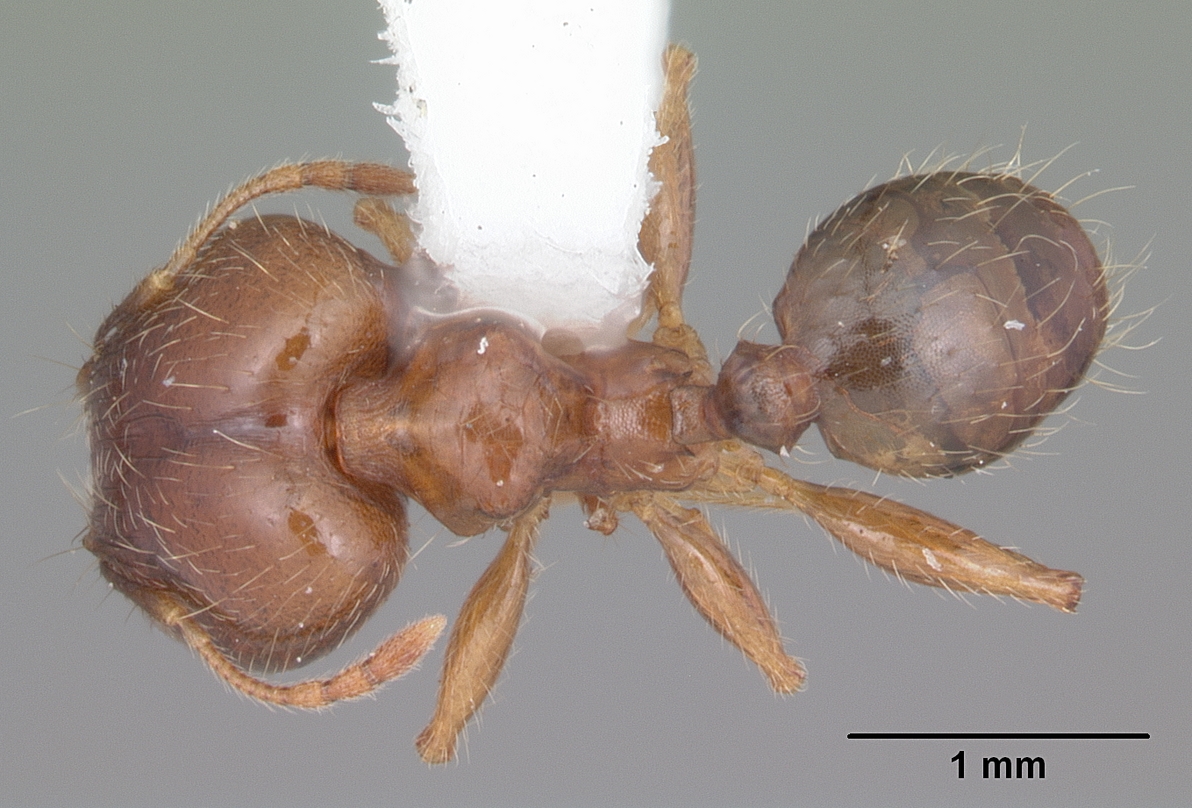
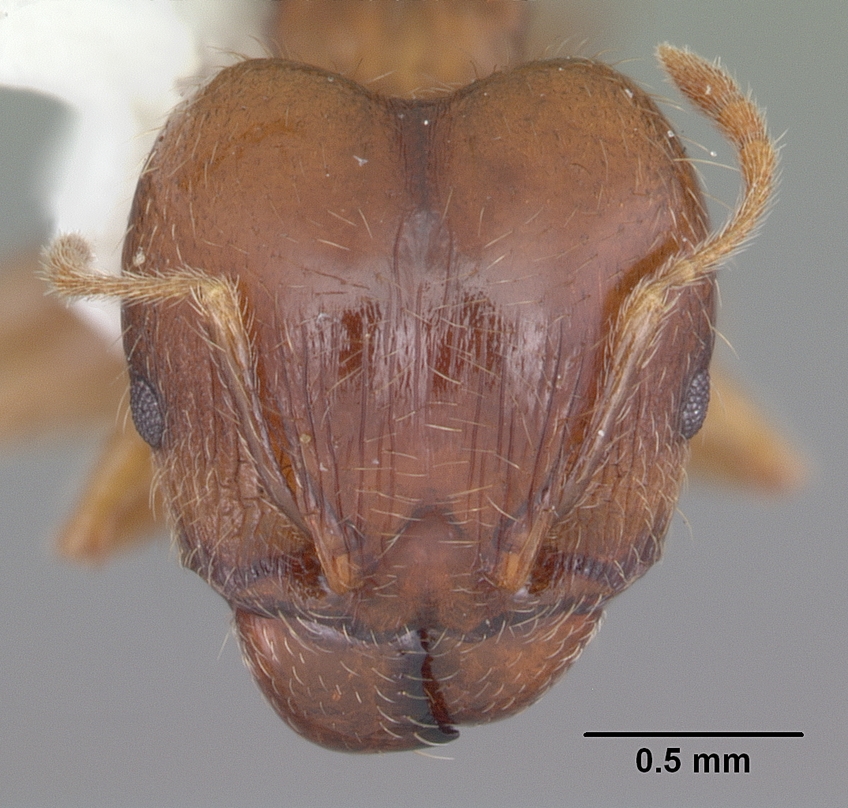
Specimen Photos
Pheidole megacephala — museum specimen

Lateral

Dorsal

Head
© AntWeb.org, California Academy of Sciences · CC BY-SA 3.0
Overview
Pheidole megacephala, the Big-Headed Ant, is one of the most fascinating and visually striking ant species available to keepers. Native to tropical Africa, it has spread across the globe as a highly successful invasive species. The main attraction for ant keepers is the dramatic dimorphism between the two worker castes — tiny minor workers (1.5-2mm) handle most daily tasks, while the much larger major workers (3.5-4.5mm) sport enormously oversized heads packed with adductor muscles, used for seed-cracking, defense, and food processing. Watching these two castes cooperate is endlessly entertaining.
Queen & Colony
Pheidole megacephala queens are small (5-6mm), yellowish-brown, and fully claustral — they found colonies without foraging, relying on stored fat and wing muscle reserves to raise the first brood. Queens produce their first nanitics (all minors) in approximately 4-5 weeks at warm tropical temperatures.
This species is polygynous and readily supports multiple queens in a single colony. In captivity, founding with multiple queens is highly recommended, as it accelerates early growth and produces a robust initial workforce. Workers are tolerant of additional queens and will not execute extras, making colony merging straightforward.
Growth is fast. A multi-queen colony can reach several hundred workers within 2-3 months. The first major workers typically appear once the colony reaches 50-100 minors, and their emergence is a thrilling milestone — the contrast between a 1.5mm minor and a 4.5mm big-headed major is dramatic and immediately visible. Mature colonies can reach 10,000-50,000 workers with a substantial proportion of majors.
The ratio of majors to minors is approximately 1:10 in healthy colonies, though this can vary based on food availability and colony needs. When food resources are rich in seeds or hard-shelled items, colonies tend to produce more majors. A colony under threat also ramps up major production for defense.
The lifecycle from egg to adult worker takes approximately 5-6 weeks at optimal temperatures. Minor workers develop slightly faster than majors, whose larger body mass requires more time and resources. You can often observe the distinction between developing major and minor pupae — major pupae are noticeably larger and have a distinctly oversized head even in the pupal stage.
Housing
Founding Stage (Test Tube Setup): Standard 16x150mm glass test tubes work well, as both queens and minors are very small. For polygynous founding, group 3-5 queens in a single test tube — cooperative founding is natural for this species. Keep tubes at 25-27°C in a dark location. First workers will be tiny minors that are easy to miss at first glance.
Early Colony (50-300 workers): Move to a small acrylic formicarium or mini ytong nest with an attached outworld. Worker size is a critical consideration — minor workers are only 1.5-2mm and can escape through surprisingly small openings. Use 0.5mm mesh or finer on all ventilation holes. Check every tubing connection and lid seam for gaps. Even a well-fitted screw-top lid may have enough of a gap for minors to slip through.
Maintain nest humidity at 60-70% using a water tower or moist sponge system. These ants prefer consistently warm, humid conditions reflecting their tropical origin.
Growing Colony (300+ workers): As the colony grows and major workers become a regular presence, you can upgrade to a medium or large formicarium. Multi-chamber designs are ideal, as workers will designate different chambers for brood at various stages, seed storage (majors crack and process seeds), and waste disposal. A large outworld with sand or paper towel substrate gives foragers space to work.
Pheidole megacephala is not a particularly aggressive digger, so pre-formed chambers (acrylic nests, ytong, or 3D-printed formicariums) are preferred over substrate-based naturalistic setups. The advantage of clear-sided nests is the ability to observe the incredible major/minor division of labor up close.
Nest Size Progression: A common mistake is housing a growing Pheidole colony in a nest that is too large. Small colonies (under 200 workers) lose heat and feel insecure in oversized chambers, leading to slow brood development and scattered, disorganized nesting. Start small and connect additional chambers or upgrade the nest as the population demands it. A good rule of thumb is that the nest should feel "comfortably full" — most chambers occupied but not overcrowded.
Escape Prevention: Minors are extremely small and escape-prone. Fluon barriers must be applied meticulously. Use at least two coats, ensuring complete coverage. Baby powder mixed with rubbing alcohol as a secondary barrier below the Fluon line is strongly recommended. All ventilation must use very fine mesh. Many keepers also apply a thin line of petroleum jelly around lid seals for added security.
<!-- AFFILIATE: small acrylic formicarium, fine mesh ventilation, Fluon coating -->
Recommended Supplies
Diet & Feeding
Pheidole megacephala is a versatile omnivore that readily accepts a wide range of foods. The interplay between majors and minors during feeding is one of the highlights of keeping this species.
Protein: Protein is essential for the continuous brood production that drives fast colony growth. Offer freshly killed or frozen-thawed insects — fruit flies, small crickets, mealworm segments, and waxworms are all enthusiastically accepted. For small colonies, pre-killed fruit flies are ideal, as they are appropriately sized for the tiny minor workers to dismember and transport. Larger colonies can handle full-sized crickets, which majors will help dismantle with their powerful mandibles. Feed protein every 2-3 days for growing colonies, or daily for colonies with heavy brood.
Seeds: One of the unique features of Pheidole is that major workers are specialized seed processors. Offer small seeds — chia seeds, poppy seeds, sesame seeds, and grass seeds — alongside insect protein. Majors will use their massive mandibles and head muscles to crack seed coats, processing the nutritious interior for larval feeding. This behavior is fascinating to observe and provides excellent dietary variety.
Sugar: Provide sugar water (1:4 ratio) or diluted honey in a small feeder at all times. Minor workers are active foragers with high metabolic needs, and constant sugar access keeps them energetic. Refresh every 2-3 days. A test tube feeder partially filled with sugar water and plugged with cotton works well, as it prevents drowning — minors are so tiny that even shallow dishes can be hazardous. Commercial ant nectar or protein jelly products also work well and last longer between changes.
Water: Always available via a test tube reservoir or cotton-plugged dish. Tropical species dehydrate quickly, and the warm, well-ventilated conditions needed for this species can dry out water sources rapidly. Check daily.
<!-- AFFILIATE: fruit fly culture, seed variety pack, test tube feeders -->
Feeding Supplies
Temperature & Humidity
Temperature: As a tropical species, Pheidole megacephala requires consistent warmth. The optimal range is 24-28°C (75-82°F), with 26°C being ideal for balanced brood development. A heat mat placed under one side of the nest creates a gentle gradient — 27-28°C on the warm side, 23-24°C on the cool side — allowing workers to shuttle brood to the optimal temperature zone.
Below 20°C, brood development slows dramatically and worker activity drops. Sustained temperatures below 15°C can be lethal. These ants should never be exposed to cold conditions.
Humidity: Maintain nest humidity at 60-70%. This is a tropical species that requires consistently moist (but not wet) nesting conditions. A water tower or reservoir system in a ytong nest provides stable humidity. In acrylic nests, a moist sponge or cotton pad in a dedicated hydration chamber works well.
The outworld can be slightly drier (50-60%), but avoid letting it become completely arid. Mist lightly if needed, especially during winter months when indoor heating dries the air.
Ventilation: Maintain adequate airflow to prevent stale air and condensation. The balance between humidity and ventilation is important — too much ventilation dries the nest, too little promotes mold. Fine-mesh ventilation holes on opposite sides of the enclosure create gentle cross-ventilation.
Seasonal Adjustments: Even though this is a tropical species with no hibernation cycle, indoor humidity often drops significantly during winter months when home heating systems run. Monitor nest humidity more closely from November through March and increase watering frequency as needed. A room humidifier near (not directly over) the ant setup can help stabilize ambient moisture levels during dry winter periods.
<!-- AFFILIATE: heat mat with thermostat, digital hygrometer, misting bottle -->
Climate Supplies
Hibernation / Diapause
No hibernation required. Pheidole megacephala is a tropical species with no diapause period. Colonies should be kept warm (24-28°C) and fed continuously throughout the year. Brood production does not have a seasonal cycle — a healthy colony produces brood year-round under proper conditions.
If your home cools significantly during winter, supplemental heating becomes essential. A heat mat or heat cable connected to a thermostat ensures the nest stays within the optimal range even when ambient room temperatures drop.
Nuptial Flight
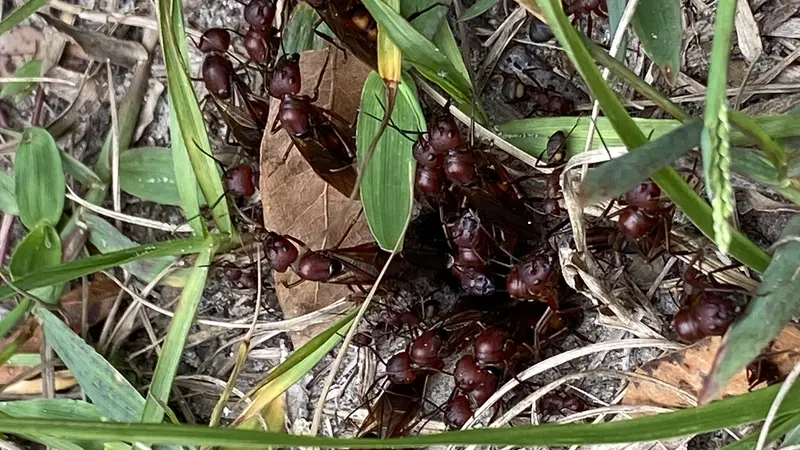
In their tropical range, Pheidole megacephala conducts nuptial flights year-round, with increased activity during warm, humid periods following rain. In subtropical regions with distinct wet and dry seasons, flights concentrate during the wet season.
Conditions: Flights are triggered by warm temperatures (above 25°C) and high humidity, typically after rainfall. Swarms are often small and localized compared to the massive flights of species like Solenopsis or Pogonomyrmex.
Catching Queens: Freshly mated queens are small (5-6mm) and yellowish-brown, making them easy to overlook. Search warm, moist surfaces near mature colony sites — garden beds, mulched areas, building foundations, and paved surfaces. An aspirator is essential for collecting these small queens. In warm climates where Pheidole megacephala is established (Hawaii, Florida, tropical regions), queens can be found after virtually any warm rain.
Post-Flight Tips: Place multiple queens together in a single test tube for cooperative founding. Pheidole megacephala queens are highly cooperative and polygynous founding dramatically accelerates early colony development. Keep tubes at 26-28°C in darkness. First minors should appear in 4-5 weeks.
Alternative Acquisition: Because nuptial flights are not seasonal in many regions and queens are very small, many keepers acquire Pheidole megacephala through the ant-keeping community — purchasing established starter colonies or queenright fragments from other keepers. This is often more practical than catching wild queens, especially outside the species' established range.
Colony Budding: In the wild, Pheidole megacephala spreads primarily through budding — a queen and a group of workers simply walk away from the parent colony and establish a new nest nearby. This means that established colonies in captivity can also be split: remove a queen and 50-100 workers with brood into a new test tube or mini nest, and the fragment will quickly establish itself as an independent colony. This makes sharing colonies with other keepers straightforward.
Common Issues
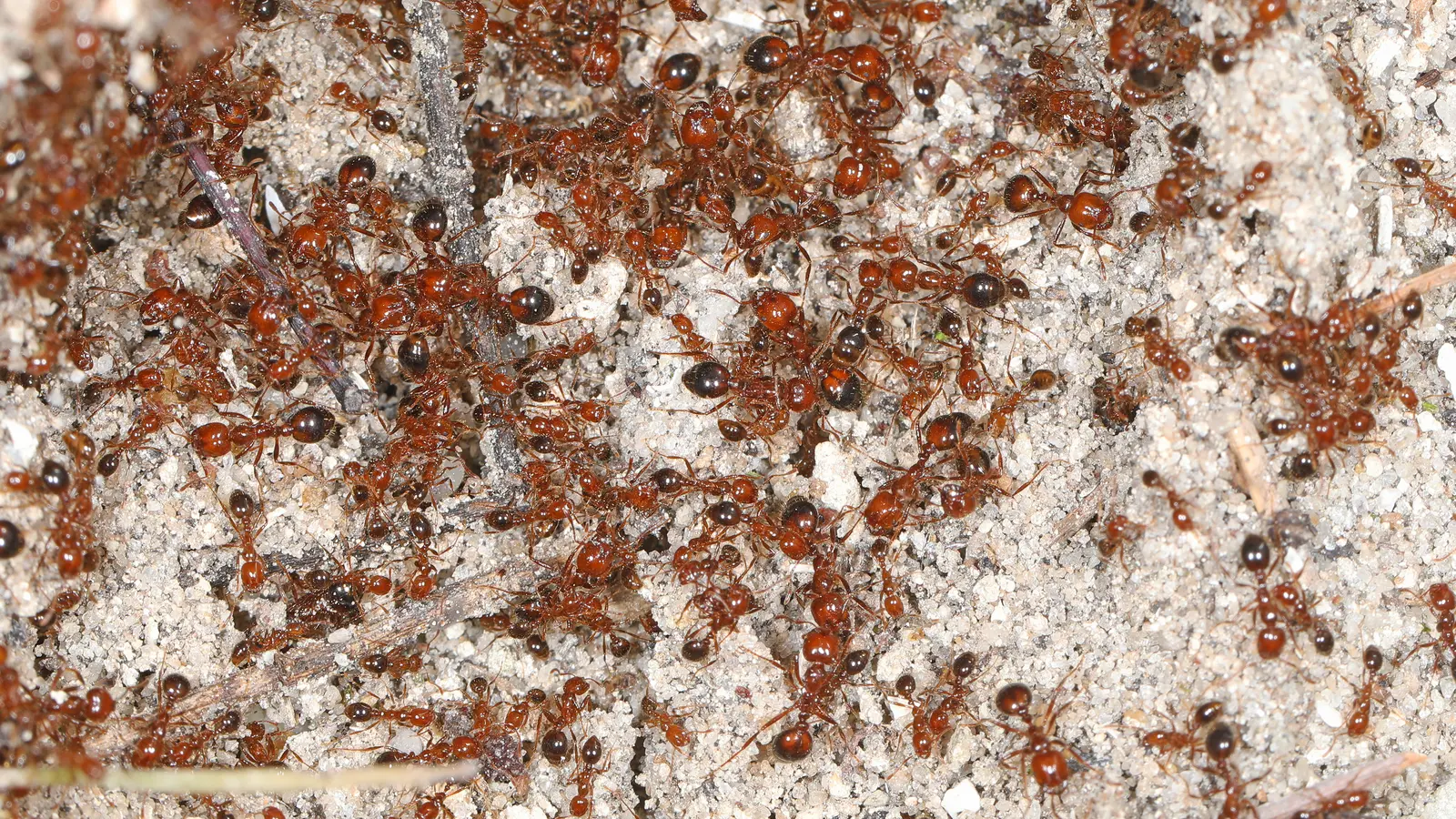
Escapes (Major Concern): Minor workers at 1.5-2mm are among the smallest commonly kept ant species. They can fit through gaps that would stop most ants. This is the single biggest challenge of keeping Pheidole megacephala. Triple-check all enclosure seals, use the finest available mesh, and maintain Fluon barriers religiously. If you find even one minor outside the enclosure, immediately hunt for the breach.
Mold: The warm, humid conditions these ants require also favor mold growth. Remove uneaten protein within 12-24 hours. Clean the outworld regularly. If mold appears in the nest, reduce moisture input slightly and improve ventilation. A small USB fan directed near (not directly at) the outworld can help air circulation.
Major Worker Aggression During Maintenance: Major workers can deliver a noticeable pinch with their oversized mandibles. While not painful like a sting, their bite can break skin on fingers. Use forceps when placing or removing food items, especially in colonies with numerous majors. They will charge and bite anything perceived as a threat to the colony.
Colony Fragmentation: Because Pheidole megacephala is polygynous and prone to budding, a colony may attempt to split if housing conditions are suboptimal — for example, if one area of the nest is too wet or too dry. You may notice a queen and a group of workers isolating themselves in a corner of the outworld. If this happens, either address the environmental issue or provide a second connected nest to accommodate the colony's expansion instinct.
Protein Shortage and Brood Die-Off: Fast-growing polygynous colonies produce enormous amounts of brood. If protein supply does not keep pace with brood production, larvae will starve and be cannibalized. For large colonies, daily protein feeding is not excessive — it is necessary. Monitor brood piles; shrinking brood numbers despite an active queen suggest insufficient protein.
Legal Considerations: Pheidole megacephala is listed among the world's 100 worst invasive species by the IUCN. Many jurisdictions restrict or prohibit keeping this species. In the United States, regulations vary by state — it is established in Hawaii and parts of Florida but considered invasive elsewhere. Always check local and national regulations before acquiring this species. Responsible escape prevention is not optional — it is an ethical obligation.
Tips for Success
- **Start with multiple queens.** Polygynous founding with 3-5 queens produces the fastest, most robust colonies. You will see your first major workers sooner, and the colony will be more resilient to early setbacks.
2. Obsess over escape prevention. Use the finest mesh available (0.5mm or less), double-coat Fluon, and inspect enclosure seals weekly. A single escaped minor can lead to a colony establishing itself in your walls. This is particularly important given the species' invasive potential.
3. Feed protein generously. These colonies grow fast and eat a lot. An underfed Pheidole colony cannibalizes brood, which wastes the queen's reproductive investment and slows growth. Keep protein available at all times during heavy brood periods.
4. Watch the majors work. The seed-cracking and food-processing behavior of major workers is one of the most captivating sights in ant keeping. Offer a variety of small seeds alongside insect protein and take time to observe how the two castes divide labor — minors forage and transport, majors crack and process.
5. Keep them warm year-round. No hibernation, no cool-down, no seasonal breaks. A consistent 24-28°C with stable humidity is the recipe for a healthy, productive Pheidole megacephala colony. Invest in a reliable heat mat with a thermostat to eliminate temperature fluctuations.
Track Your Colonies with Track Ants
Log feedings, track milestones, sync photos to the cloud, and get nuptial flight alerts — all in one app built for ant keepers.
Free to download. Premium features available.