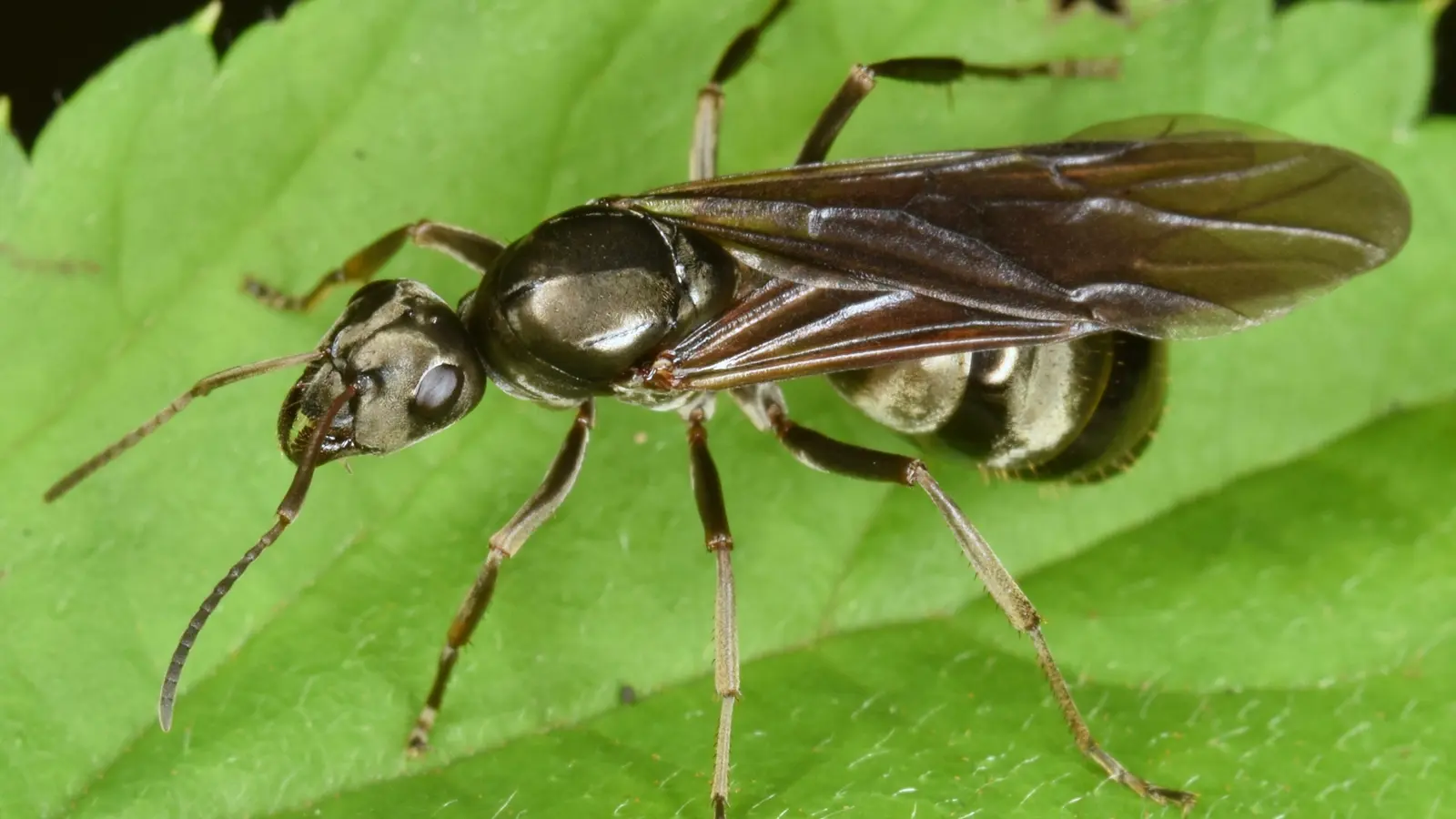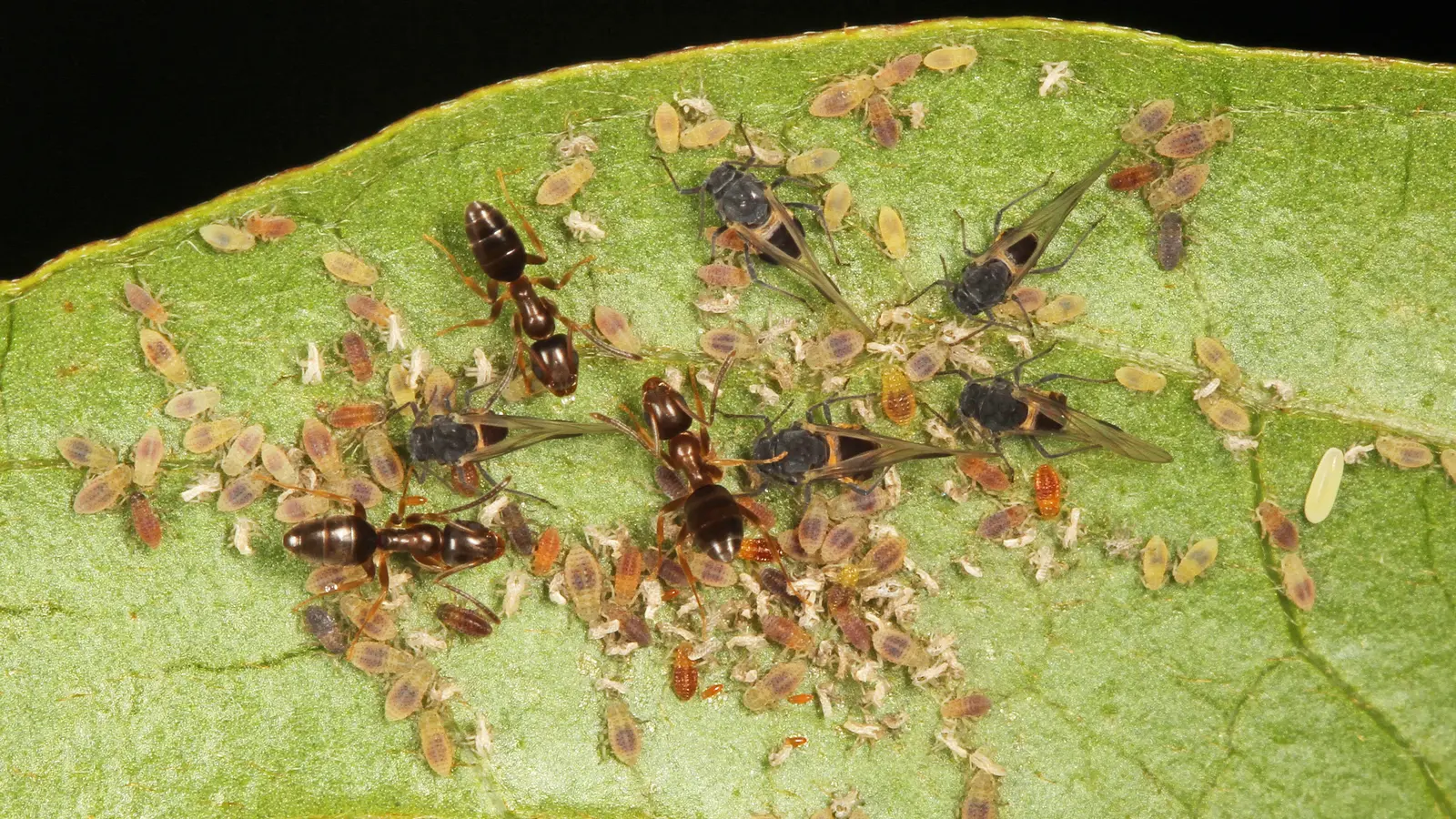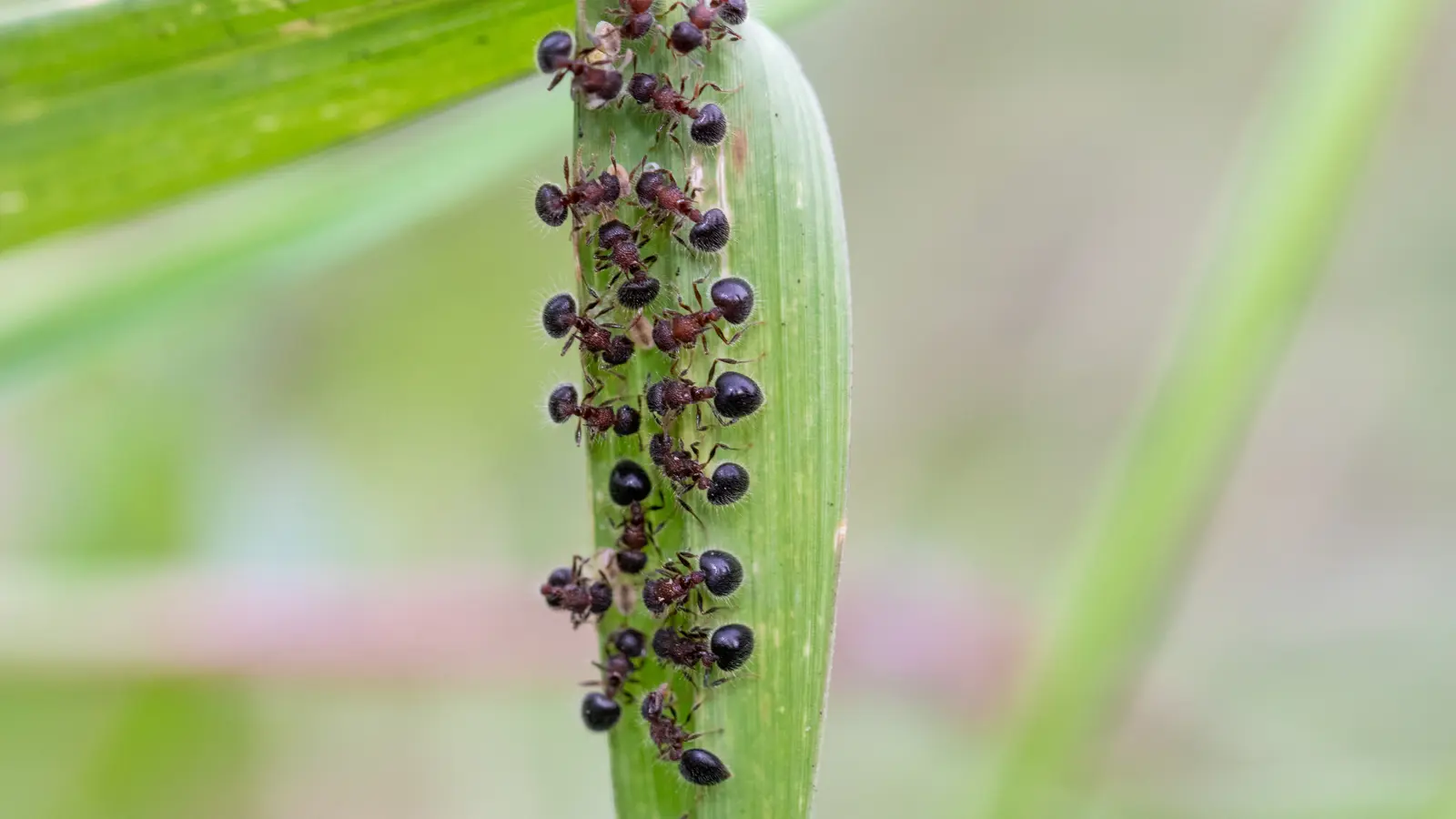
Acrobat Ant
Crematogaster cerasi
Difficulty
beginnerRegion
North America
Queen Size
8-9mm
Worker Size
2.5-4mm
Colony Type
monogynous
Diet
omnivore
Temperature
22-26°C (72-79°F)
Humidity
50-60%
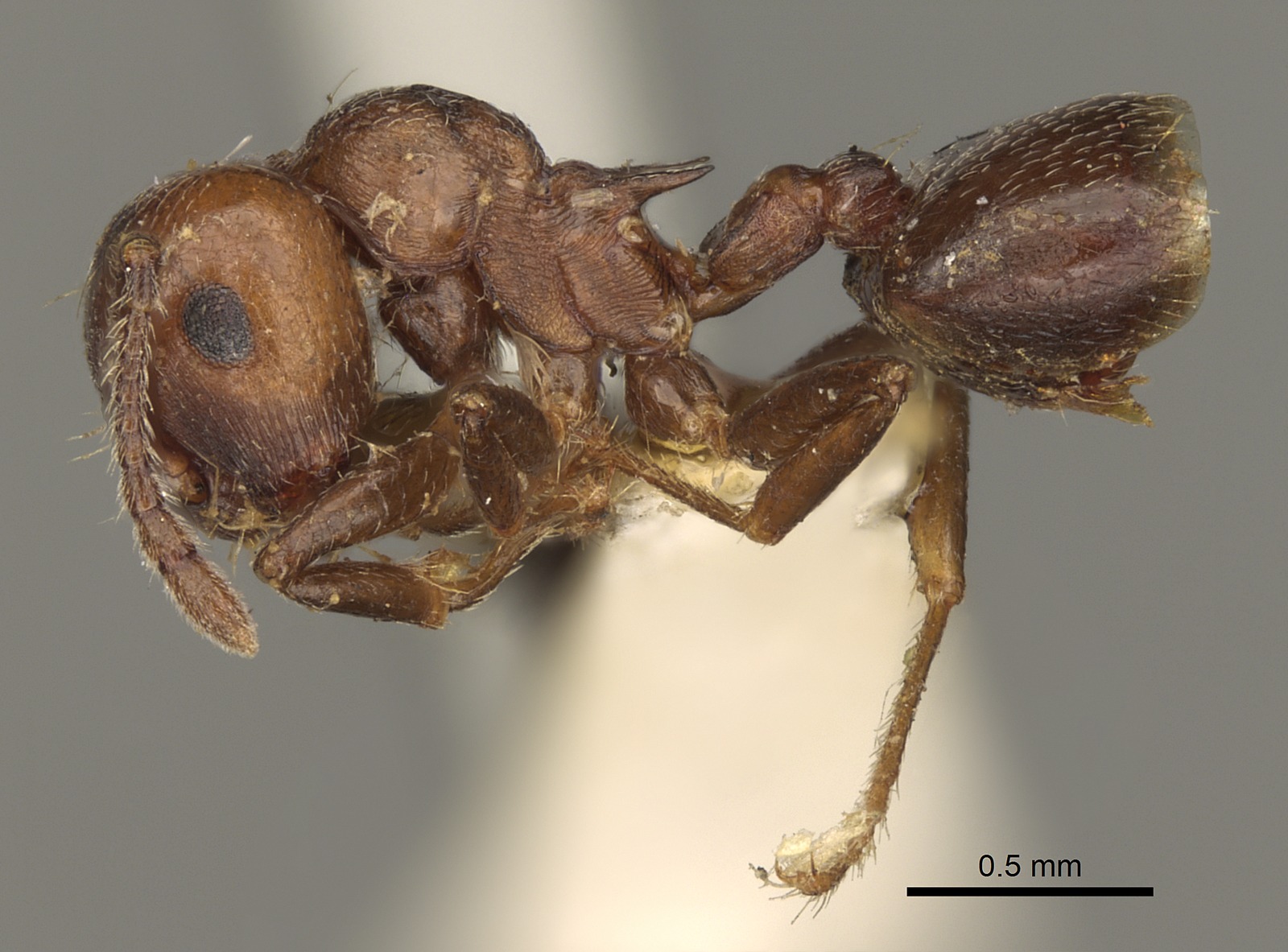
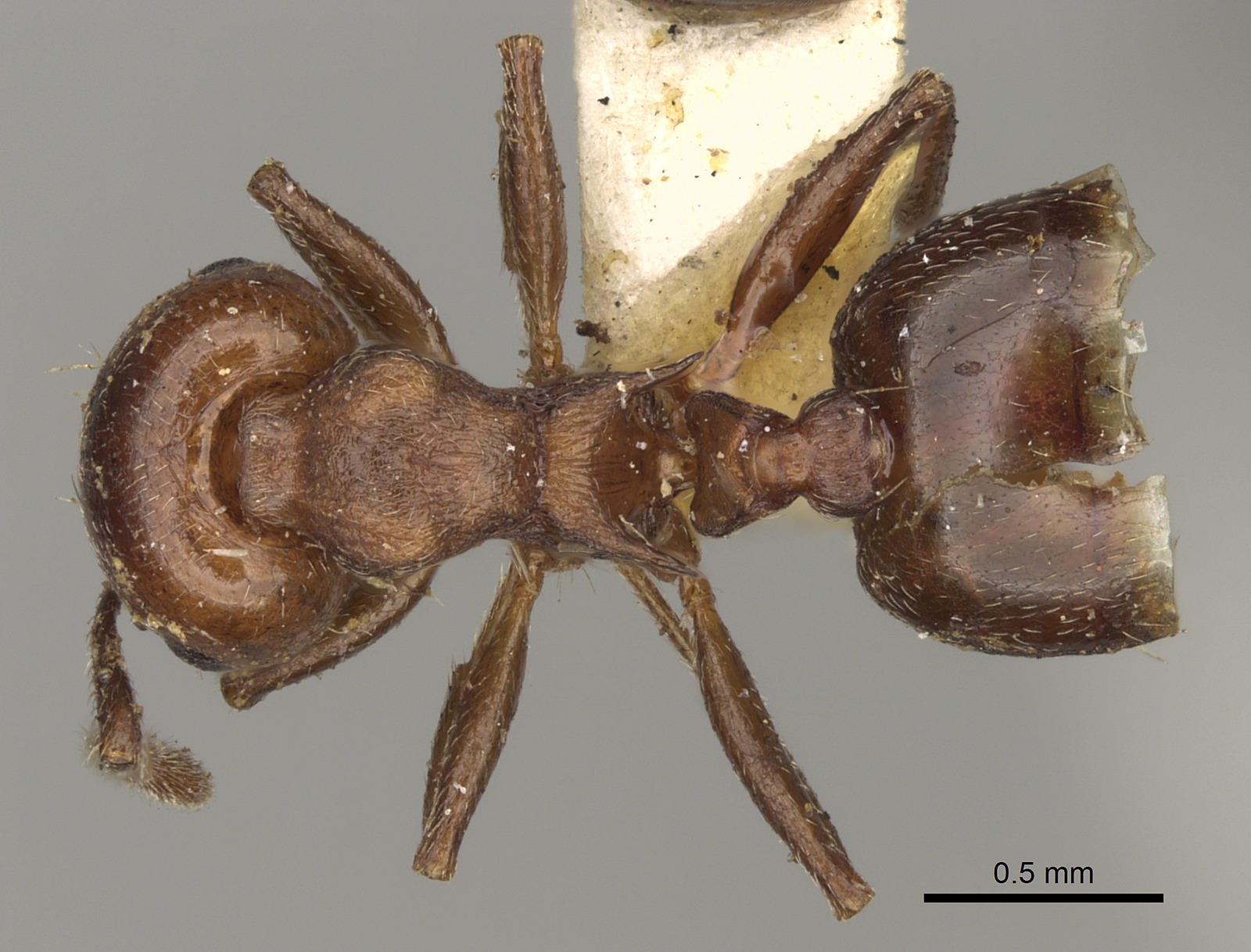
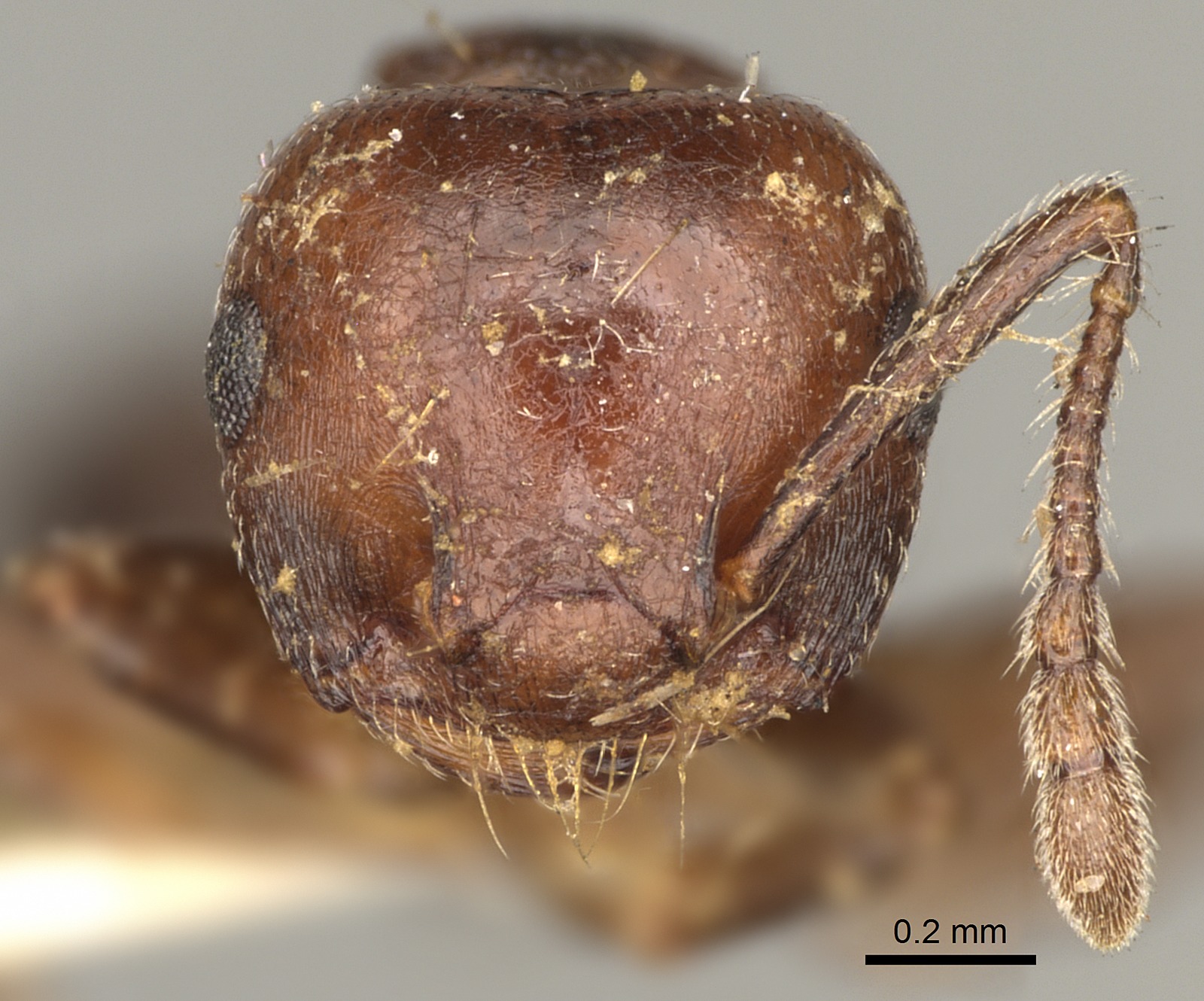
Specimen Photos
Crematogaster cerasi — museum specimen

Lateral

Dorsal

Head
© AntWeb.org, California Academy of Sciences · CC BY-SA 3.0
Overview
Crematogaster cerasi, commonly known as the Acrobat Ant, is a fascinating and beginner-friendly species found throughout eastern North America. They earn their common name from a distinctive defensive behavior — when disturbed, workers raise their heart-shaped gaster (abdomen) up over their thorax and head in an acrobatic posture, aiming their acidopore at the threat. This endearing and unique behavior, combined with easy care requirements and moderate colony sizes, makes Crematogaster cerasi an excellent choice for keepers looking for something a bit different from the usual starter species.
Queen & Colony
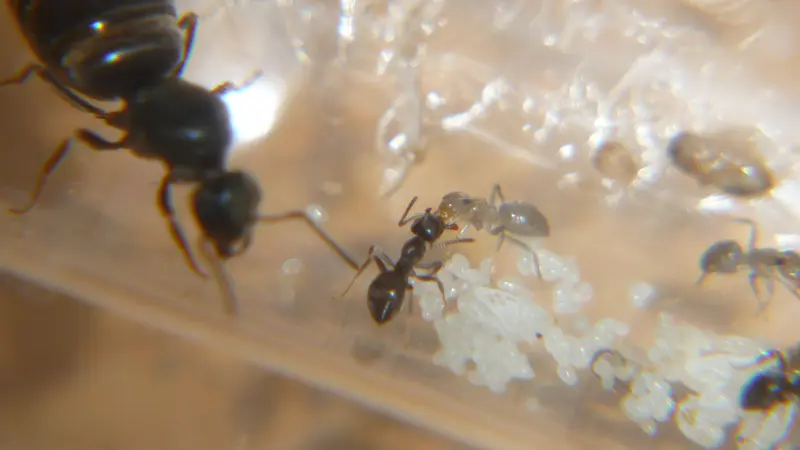
Crematogaster cerasi queens are medium-sized at 8-9mm, dark brown to blackish in color, and notably broader in the thorax than most queens of similar size. They are fully claustral and found colonies independently without any need for food. After mating, queens seal themselves in a small chamber and produce their first brood in approximately 5-6 weeks under warm conditions.
This species is strictly monogynous — one queen per colony. Do not attempt to combine queens after the founding stage, as workers will kill extra queens. Colony growth is moderate, with the first brood producing 5-15 tiny nanitics. By the end of the first year, expect 50-150 workers. Growth picks up substantially in year two, and mature colonies reach 5,000-10,000 workers after several years.
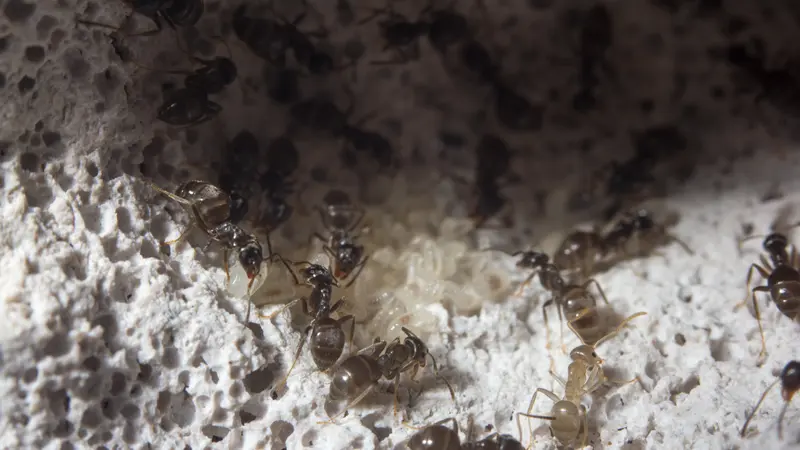
Workers are small (2.5-4mm) and dark brown to black. They are agile climbers and move quickly through complex three-dimensional environments, reflecting their arboreal tendencies in the wild. In nature, Crematogaster cerasi nests in dead wood, hollow twigs, and beneath bark — they are comfortable in both horizontal and vertical nest structures.
An interesting aspect of Crematogaster biology is their chemical defense. Instead of stinging (they have a vestigial sting apparatus), workers raise their heart-shaped gaster and secrete a sticky, foul-smelling chemical from the tip that serves as an irritant and alarm signal. This behavior — combined with their speed and agility — makes them surprisingly effective defenders despite their small size. In the wild, Crematogaster colonies often dominate arboreal territories, fending off much larger ant species through sheer coordination and chemical warfare.
Housing
Founding Stage (Test Tube Setup): A standard 16x150mm glass test tube with a cotton-plugged water reservoir is perfect for founding queens. Crematogaster queens are not particularly sensitive during founding, but standard best practices apply — keep the tube in a dark, warm (24-26°C), quiet location and avoid disturbing it for 5-6 weeks. Check the water level through the glass without moving the tube.
Early Colony (15-200 workers): A small acrylic nest or mini ytong formicarium with an attached outworld is ideal. Crematogaster cerasi workers are small (2.5-4mm), so ensure that all openings and ventilation mesh are appropriately fine — 1mm mesh or smaller is recommended. These ants are exceptional climbers and will explore every surface of their enclosure, including the ceiling.
Because of their arboreal nature, Crematogaster cerasi thrives in nests with vertical elements. A formicarium with chambers at multiple levels or a cork bark insert they can climb on provides enrichment and more natural behavior. They will readily nest inside cork bark tubes or hollowed-out wood pieces placed in the outworld.
Growing Colony (200+ workers): Scale up to a medium acrylic formicarium or a multi-chamber ytong nest. Connect additional outworld space as the colony grows. Crematogaster colonies are active foragers but do not require enormous outworlds — a moderate-sized arena with climbing structures (cork bark, small branches, stacked stones) is ideal.
Escape Prevention: Apply Fluon (PTFE) or baby powder barriers to the upper walls of all outworlds. These ants are excellent climbers, so barriers need to be well-maintained. The small worker size means you should also check tubing connections and lid seams. A thin bead of petroleum jelly around lid gaskets provides additional security for enclosures that do not seal perfectly.
<!-- AFFILIATE: small acrylic formicarium, cork bark pieces, Fluon barrier coating -->
Recommended Supplies
Diet & Feeding
Crematogaster cerasi is an omnivore with a strong preference for sugary foods, reflecting their natural habit of tending aphids and scale insects for honeydew in the wild.
Sugar (Primary Energy Source): These ants love sugar. Provide sugar water (1:4 sugar to water) or diluted honey (1:3 to 1:4 with water) in a small dish or soaked cotton ball. Sugar water should be available at all times and refreshed every 2-3 days to prevent fermentation. Workers will eagerly crowd a fresh sugar source, and you can watch them fill their social stomachs and return to feed nestmates through trophallaxis.
Protein: Protein is essential for brood development. Offer small, appropriately-sized insects — fruit flies (Drosophila) are ideal for small colonies, as the workers themselves are tiny. Pinhead crickets, small mealworm segments, and tiny pieces of boiled egg or cooked chicken also work well. Feed protein 2-3 times per week during the active season. Reduce to once a week during fall as brood production slows before hibernation.
Feeding Tips: Due to the small worker size, cut all food items into small pieces. A whole mealworm is too large for a small colony to process before it dries out — cut it into 2-3mm segments. Place food in the outworld on a small feeding dish or piece of aluminum foil for easy cleanup. Remove uneaten protein within 24 hours to prevent mold.
Crematogaster cerasi workers are also fond of soft, sweet fruits — a tiny piece of ripe banana or a sliver of apple placed in the outworld will attract immediate attention. These supplemental treats provide both sugar and moisture, though they should not replace the primary sugar water supply.
Water: A test tube water reservoir in the outworld provides a reliable water source. These ants also obtain moisture from sugar water and from the humid zone of their nest.
<!-- AFFILIATE: fruit fly culture, sugar water feeder, feeding dish set -->
Feeding Supplies
Temperature & Humidity
Temperature: Crematogaster cerasi is a temperate species comfortable at moderate temperatures. The ideal active-season range is 22-26°C (72-79°F), which is normal room temperature for most homes. This means supplemental heating is usually unnecessary, making the species very convenient to keep.
If your room runs cool (below 20°C), a small heat mat on one side of the nest can help maintain 24°C in the warm zone. Avoid temperatures above 28°C, as these ants are not adapted to extreme heat. Brood development is steady at 24°C and slightly faster at 26°C.
Humidity: Maintain nest humidity at 50-60%. A standard water reservoir (test tube or water tower) in the nest provides sufficient moisture for most setups. In ytong nests, moisten one side of the nest block and leave the other dry, creating a humidity gradient the ants can use to position brood optimally.
The outworld can be kept at ambient humidity. Good ventilation prevents excess moisture buildup. If you notice condensation on the nest walls, reduce watering slightly and increase airflow.
<!-- AFFILIATE: digital hygrometer, small heat mat, ytong nest with water reservoir -->
Climate Supplies
Hibernation / Diapause
Hibernation is required for Crematogaster cerasi. As a temperate North American species, they need a cool dormant period to maintain queen health and ensure proper brood production the following spring.
Duration: Approximately 4-5 months, from November through March, matching the natural winter cycle of their range.
Temperature: Gradually cool the colony to 5-10°C (41-50°F) over a 2-week transition period. A refrigerator set to the warmer end of its range (8-10°C), an unheated garage, or a wine cooler works well. Do not freeze the colony — temperatures below 3°C can be fatal.
Preparation: In October, begin reducing the feeding frequency as brood production naturally winds down. Continue offering sugar water until the colony becomes noticeably less active. Ensure the water reservoir is full before placing the colony in its hibernation location. Remove any uneaten food from the outworld to prevent mold during the dormant period.
During Hibernation: Check the colony every 2-3 weeks to verify the water supply. Workers will be mostly inactive, often clustering together in the deepest nest chambers. Do not feed during hibernation. Minimal activity — the occasional worker wandering slowly — is normal and not cause for concern.
Waking Up: In late March, gradually warm the colony over 1-2 weeks by moving it to progressively warmer locations. Once the colony is back at room temperature (22-24°C), resume sugar water immediately and reintroduce protein after 3-5 days. The queen will begin laying within 1-2 weeks, and foraging activity will ramp up steadily through April and May.
Nuptial Flight
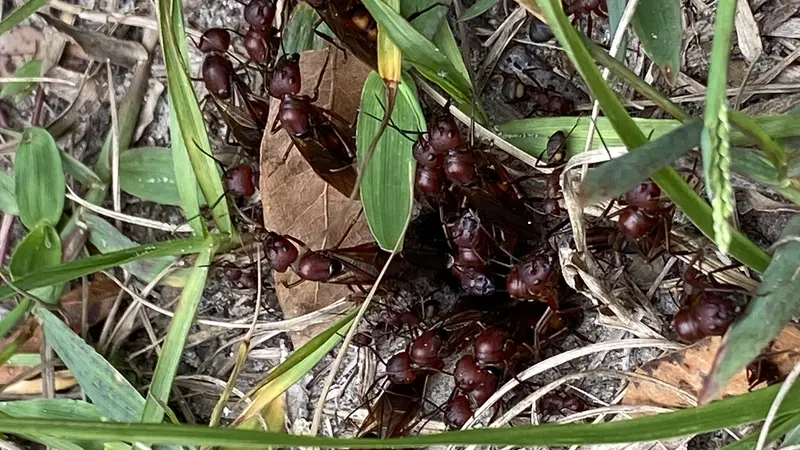
Crematogaster cerasi nuptial flights occur in June and July across most of their range, though timing can vary by latitude. Flights are typically triggered by warm, humid conditions following afternoon thunderstorms — classic early summer weather in the eastern United States.
Conditions: Look for flights on warm (25-30°C), muggy afternoons and evenings following rain. Alates are small and dark, and flights may be less conspicuous than those of larger species. Swarms are often localized near mature colony nest sites — dead trees, old stumps, and wooden structures.
Catching Queens: After mating, dealate queens can be found walking on surfaces near flight sites — tree trunks, fences, building walls, and sidewalks. They are relatively small (8-9mm) and dark brown, so careful observation is needed. An aspirator is the easiest collection tool for these small queens. Look in the early evening and morning hours after a flight event.
Post-Flight Tips: Place queens in test tube setups and store at 24-26°C in a dark, quiet location. Crematogaster queens are reasonably hardy during the founding period and less sensitive to minor disturbances than some species, but still minimize handling and checking. First nanitics should appear in 5-6 weeks.
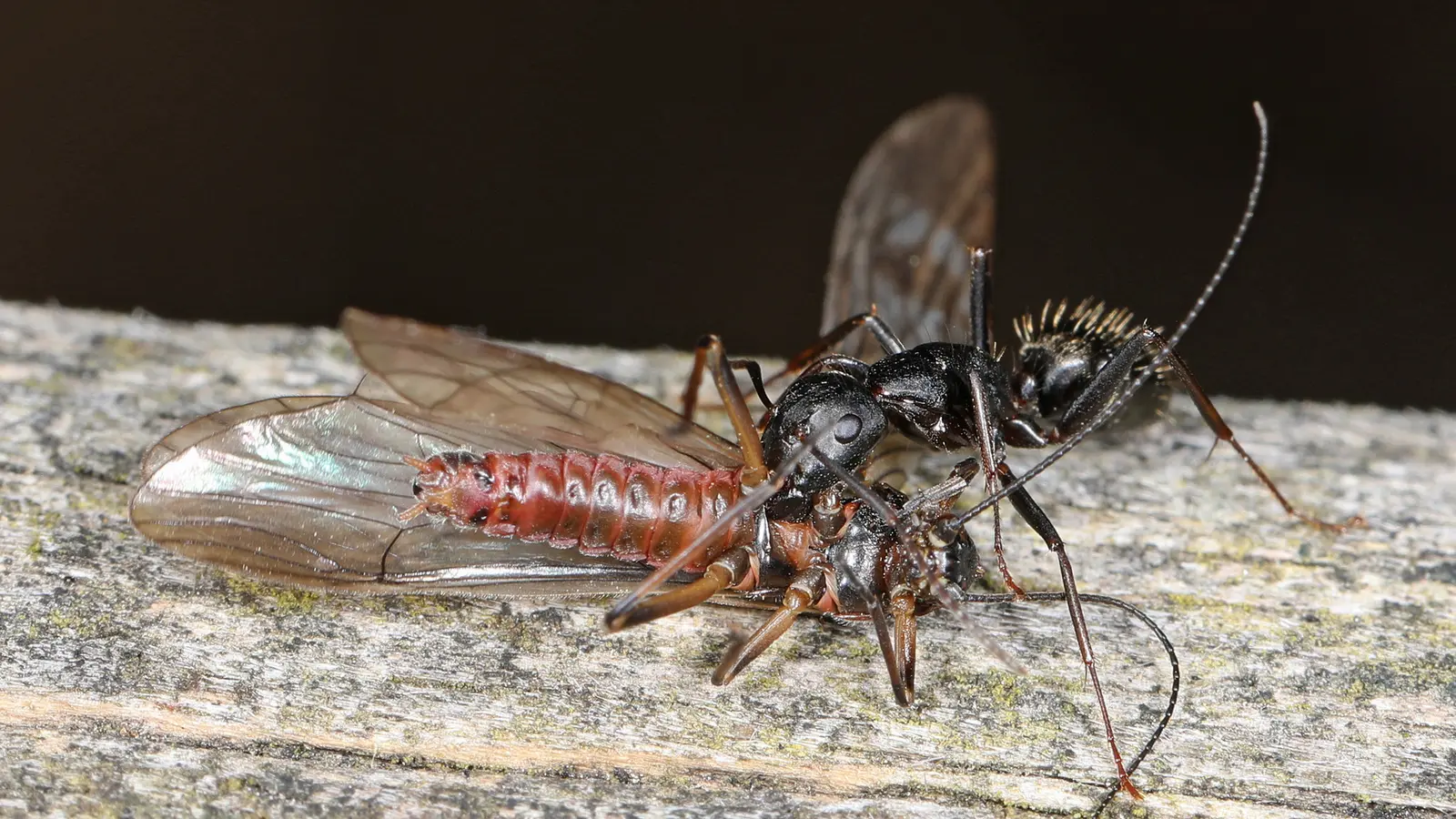
Identification Notes: Crematogaster queens can be identified by their distinctive heart-shaped (or spade-shaped) gaster, which is dorsoventrally flattened and attached to the petiole at its upper surface rather than its front edge — a unique feature of the genus. This gives them a silhouette unlike any other common North American ant. The thorax has a distinctive profile with a raised mesonotum. If you are unsure of your identification, photograph the queen from above and from the side, and consult an ant identification group.
Common Issues
Escape Artists: Crematogaster cerasi workers are small, agile, and excellent climbers. They will find and exploit any gap in your enclosure. Maintain Fluon barriers carefully and check all seams, tubing connections, and ventilation holes regularly. If you see a worker walking along the outside of your outworld, treat it as an immediate alert to find and fix the breach.
Mold on Food: Because workers are small and colonies may be slow to fully consume protein items, uneaten food can mold quickly in humid conditions. Always remove uneaten protein within 24 hours. Use small food portions sized appropriately for the colony — a colony of 50 workers does not need a whole cricket.
Low Winter Survival Without Hibernation: Skipping hibernation often leads to a stressed queen, reduced egg-laying the following spring, and gradual colony decline. Always provide a proper winter cool period. Colonies that seem sluggish and unproductive after a year of keeping are often suffering from missed hibernation.
Dehydration: Despite preferring moderate humidity, these ants can dehydrate if the nest water source dries out, particularly during warm summer months. Check water levels regularly and top off as needed. Workers clustering near the water reservoir or appearing sluggish are signs of dehydration.
Carton Nest Building: In the wild, some Crematogaster species build distinctive carton nests — structures made from chewed plant fibers and soil mixed with secretions. While Crematogaster cerasi is primarily a cavity nester, you may observe workers attempting to build small carton-like structures using substrate material, paper, or debris in their outworld. This is normal nest-modification behavior and should be allowed — it indicates the colony is comfortable and actively managing its environment.
Tiny Brood Handling: Crematogaster brood (eggs and small larvae) are very small and easy to overlook. When moving colonies to new nests, allow ample time (24-48 hours with a connected bridge) for workers to transfer all brood themselves rather than attempting to move it manually.
Tips for Success
- **Enjoy the acrobatics.** When you gently blow on workers or introduce a mild disturbance near the nest entrance, workers will raise their heart-shaped gasters in their signature defensive pose. This harmless and entertaining behavior is one of the main attractions of keeping this species. Unlike fire ants, Crematogaster cerasi does not have a dangerous sting — the raised gaster secretes a mild chemical deterrent that is harmless to humans.
2. Provide climbing structures. These ants are naturally arboreal and thrive with vertical elements in their enclosure. Cork bark tubes, small branches, and multi-level nest chambers give workers space to express natural climbing and patrolling behaviors.
3. Feed small, feed often. Small workers need small food portions. Tiny drops of honey, fruit fly-sized protein items, and frequent (every 2-3 day) feeding keeps the colony healthy without generating waste and mold.
4. Hibernate faithfully every year. A full 4-5 month dormancy period at 5-10°C is the single most important factor for long-term colony health. Mark your calendar and stick to the schedule.
5. Be patient with growth. Crematogaster cerasi is not a fast-growing species. A colony of 100-200 workers after the first active year is perfectly normal and healthy. Growth accelerates noticeably in years two and three as the workforce compounds.
Track Your Colonies with Track Ants
Log feedings, track milestones, sync photos to the cloud, and get nuptial flight alerts — all in one app built for ant keepers.
Free to download. Premium features available.